2025 Top Trends in Optometry Equipment You Need to Know About
The field of optometry is experiencing significant advancements, driven by technological innovations and an increasing demand for high-quality eye care services. According to the latest report from the American Optometric Association, the U.S. optometry market is projected to reach $28 billion by 2025, with a significant portion of this growth attributed to advancements in optometry equipment. As practitioners strive to provide superior care and improve patient outcomes, staying ahead of the curve on the latest trends in optometry equipment is essential.
With emerging technologies such as artificial intelligence and teleoptometry reshaping the landscape, optometrists must adapt and integrate these advancements into their practices. For instance, a recent study published by Vision Monday highlights that 80% of optometrists believe that the adoption of sophisticated diagnostic equipment enhances patient care and efficiency. Furthermore, the incorporation of digital tools and equipment designed for enhanced visualization and analysis is anticipated to revolutionize the traditional approaches to eye examinations and treatments.
As we approach 2025, understanding the top trends in optometry equipment will be crucial for eye care professionals who aim to enhance their practice, optimize patient engagement, and drive successful outcomes. This article will explore the key trends shaping the future of optometry equipment, emphasizing the importance of innovation in delivering exceptional eye care services.
Key Technological Advancements in Optometry Equipment for 2025
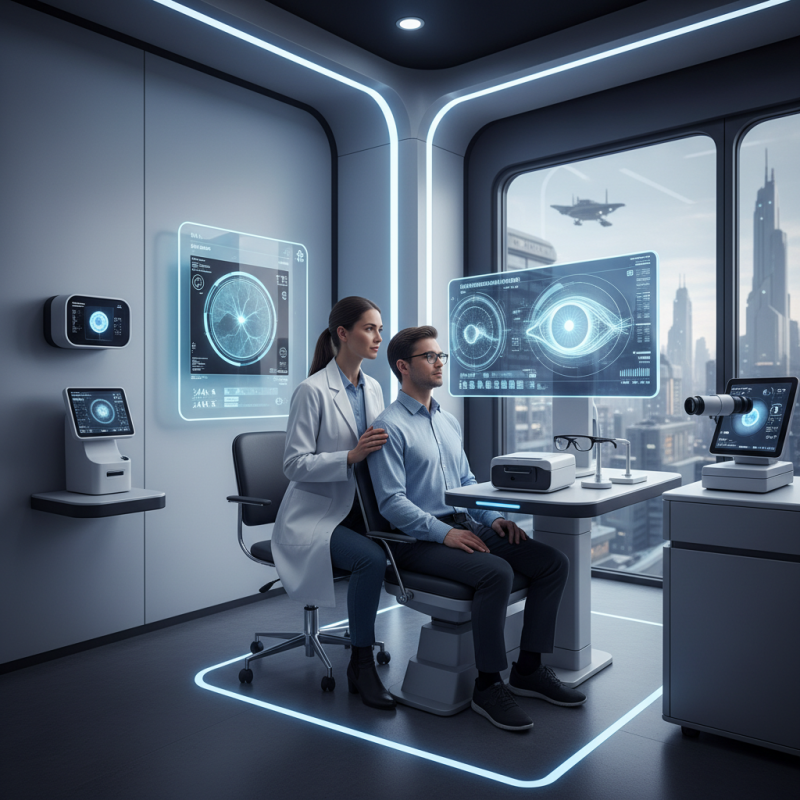
In 2025, the landscape of optometry equipment is set to undergo remarkable transformations, driven by innovative technological advancements that enhance patient care and streamline clinical practices. One of the standout trends is the integration of artificial intelligence into diagnostic tools, enabling optometrists to analyze data with unprecedented accuracy. AI algorithms are revolutionizing the interpretation of ocular images, facilitating earlier detection of conditions such as glaucoma and diabetic retinopathy, which can significantly improve patient outcomes.
Another major advancement is the proliferation of teleoptometry, which allows practitioners to conduct remote consultations and assessments. Enhanced by high-definition imaging systems and reliable broadband connectivity, teleopmetry not only expands access to eye care but also offers a more convenient option for patients. Moreover, advancements in augmented reality (AR) and virtual reality (VR) technologies are emerging, providing immersive training simulations for optometry students and creating novel ways for practitioners to demonstrate complex visual concepts to patients, ultimately leading to improved education and patient compliance.
Emerging Trends in Teleoptometry and Remote Patient Monitoring
The field of optometry is experiencing a transformative shift towards teleoptometry and remote patient monitoring, trends that will redefine patient care in 2025. With advancements in technology, optometrists can now provide remote consultations, allowing patients to receive eye care from the comfort of their homes.
This shift not only expands access to services but also enhances the efficiency of health monitoring, enabling practitioners to keep track of patients' conditions in real-time. The rise of artificial intelligence in image analysis further augments this capability, offering precise diagnostics without the need for in-office visits.
Tips for optometrists looking to embrace these emerging trends include investing in secure telehealth platforms that prioritize patient privacy and compliance with regulations. Additionally, educating patients about the benefits of remote appointments can alleviate concerns about quality of care. Developing a robust system for follow-ups and monitoring can also ensure that patients feel connected and cared for, even when they aren't physically present in the clinic.
Incorporating remote patient education tools is another vital strategy. Providing resources that guide patients on how to manage their eye health at home can empower them in their care journey. Utilizing digital communication channels to send reminders for eye exams and screenings can significantly improve patient engagement and adherence to recommended eye care protocols.
Embracing these trends not only enhances service delivery but also positions optometrists to meet the evolving expectations of modern patients.
Innovative Diagnostic Tools Shaping the Future of Eye Care
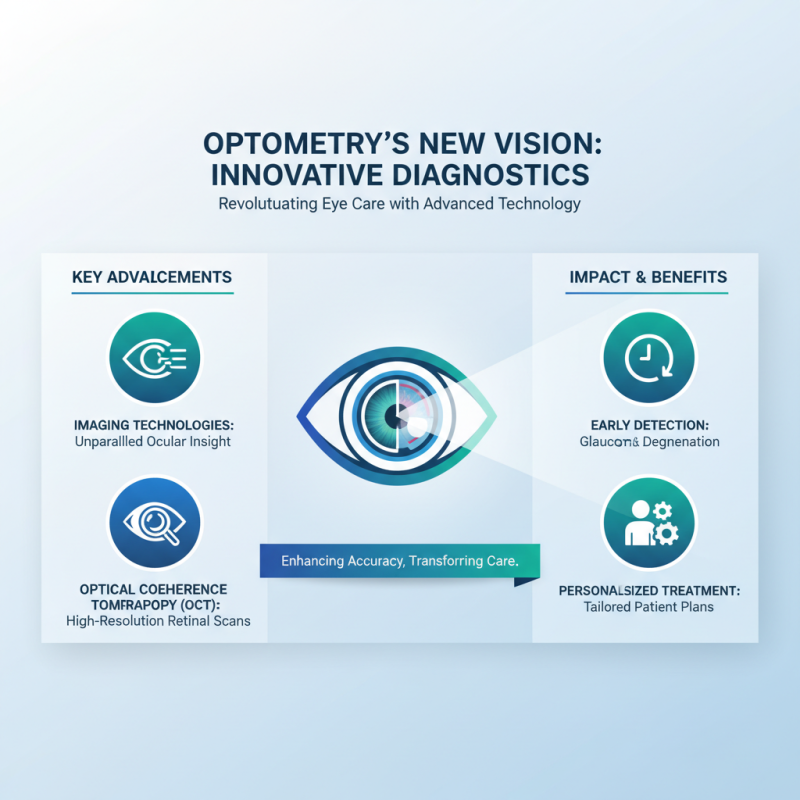
The field of optometry is undergoing a transformative shift with the advent of innovative diagnostic tools that are revolutionizing eye care. Among these advancements are imaging technologies that provide unparalleled insights into ocular health. Devices such as Optical Coherence Tomography (OCT) offer high-resolution cross-sectional images of the retina, enabling practitioners to detect conditions like glaucoma and macular degeneration at earlier stages than ever before. These tools not only enhance diagnostic accuracy but also allow for more personalized treatment plans tailored to the unique needs of each patient.
Moreover, artificial intelligence (AI) applications are beginning to play a pivotal role in optometric diagnostics. AI algorithms can analyze vast amounts of visual data to identify patterns that may escape the human eye. This technology assists in screening for various eye diseases, thus improving efficiency and accuracy in clinical settings. Additionally, portable diagnostic devices are emerging, enabling eye care professionals to conduct comprehensive assessments in diverse environments, from clinics to remote regions. Such advancements signify a shift towards more accessible and effective eye care, ensuring that patients receive timely interventions regardless of their location.
Sustainable Materials and Practices in Optometry Equipment Manufacturing
As the optometry field evolves, sustainability is becoming a vital consideration in the manufacturing of equipment. Reports indicate that nearly 70% of professionals in the optical industry are looking for more eco-friendly alternatives to traditional materials. Sustainable materials such as recycled plastics and biopolymers are gaining traction, allowing manufacturers to reduce their carbon footprint while maintaining product quality. Additionally, adopting circular economy practices can significantly decrease waste, with organizations reporting a reduction of up to 30% in production waste when implementing sustainable methodologies.
To further enhance sustainability efforts, optometrists can look for equipment that is designed for longevity. Not only does this approach minimize the frequency of replacements, but it also lessens the environmental impact associated with manufacturing new products. Investing in durable, high-quality instruments can save practices money in the long run and support a greener planet.
Tip: When considering new optometry equipment, check for certifications that indicate the use of sustainable materials and responsible manufacturing processes. This can help ensure your practice contributes positively to environmental efforts while offering quality care to your patients.
The Role of Artificial Intelligence in Enhancing Optometric Services
The integration of artificial intelligence (AI) in optometry is revolutionizing the way eye care professionals enhance their clinical services. A 2023 report from the American Optometric Association highlighted that over 70% of optometrists are already using AI-driven diagnostic tools to improve the accuracy of ocular disease detection. These technologies leverage machine learning algorithms to analyze imaging data from OCT (Optical Coherence Tomography) and fundus photography, enabling practitioners to identify conditions such as diabetic retinopathy and glaucoma at earlier stages than ever before.
Moreover, AI is also streamlining administrative tasks within optometric practices. According to a survey conducted by the Vision Council, approximately 65% of eye care providers reported significant time savings in patient scheduling and data management through the adoption of AI software systems. This allows professionals to allocate more time to direct patient care and thorough examinations, ultimately enhancing patient experiences and outcomes. As these AI innovations continue to evolve, the optometry sector is poised to achieve greater efficiency, accuracy, and personalized patient care, marking a significant leap forward in ocular health management.
2025 Top Trends in Optometry Equipment: The Role of Artificial Intelligence in Enhancing Optometric Services