Choosing the right Contact Lens Case in 2026 requires more than comparing colors, prices, and packaging. Global buyers now examine hygiene design, material safety, leak resistance, and user behavior. A case may look premium, yet perform poorly beside a bathroom sink.
Dr. Lyndon Jones, a leading contact lens researcher, has emphasized a practical principle: “Good lens care depends on consistent habits, not clever packaging.” This idea should guide every purchasing decision. A well-designed Contact Lens Case needs smooth interiors, secure caps, clear right-and-left markings, and materials that tolerate regular cleaning. Small details matter. A loose cap can leak inside luggage. A narrow opening can leave residue behind. Bright labels may also fade quickly in humid storage conditions.
This outline compares the main case types available to international buyers, including standard polypropylene cases, screw-cap designs, antimicrobial models, travel kits, and specialized flat cases. It considers real purchasing concerns, such as factory quality control, packaging consistency, replacement planning, and regional distribution. Material claims still require careful verification. “Antimicrobial” does not automatically mean safer. That point deserves more attention.
Buyer expectations are not identical worldwide. A distributor may prioritize low unit cost, while an optical retailer may demand stronger presentation and traceable production. Frequent travelers need compact protection. Families may prefer visible labels and easy handling. No single Contact Lens Case suits every market. The best choice balances hygiene practice, product durability, user convenience, and responsible sourcing.
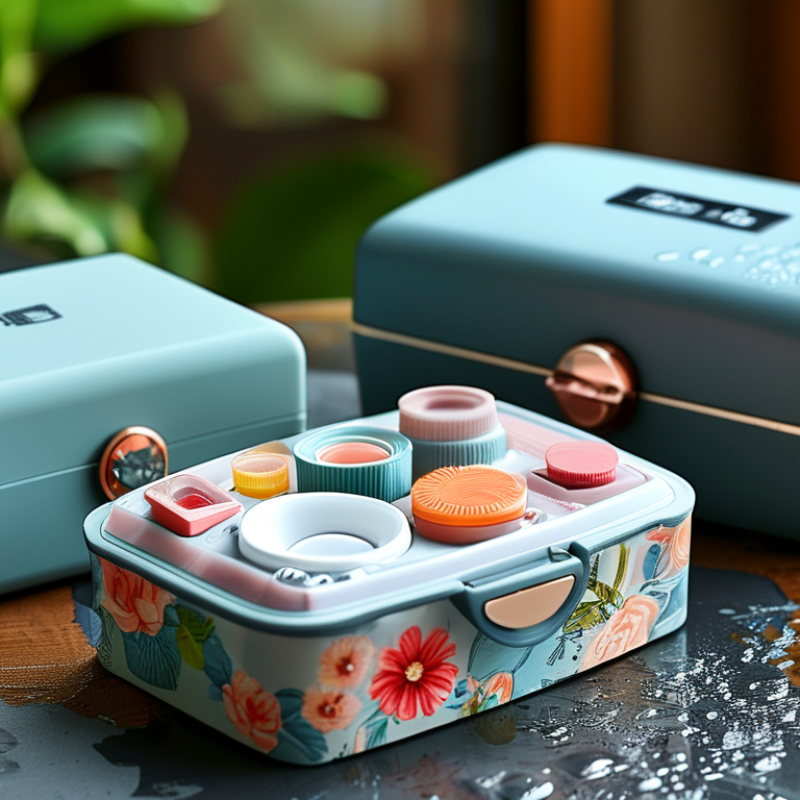
A contact lens case is a small container that holds lenses during storage. Its design directly affects cleanliness, comfort, and handling safety. A reliable case should have secure caps, separate wells, and smooth inner surfaces. These details reduce leaks and make lens removal easier. Rounded edges also help prevent scratches during daily use. For global buyers, lightweight construction matters during travel and shipping. However, a compact case may feel cramped for users with larger lenses. Practical testing remains important.
Material selection also deserves careful attention. Medical-grade plastic is common because it is light, affordable, and easy to produce. Still, plastic quality can vary between suppliers. A case may look polished but have rough seams inside. That small flaw can trap residue. Buyers should review material information, closure testing, and cleaning instructions. No design can fix careless hygiene. Even a well-designed case needs consistent handling, and that is where users sometimes fall short.
For global buyers, contact lens cases usually fall into four practical types: standard screw-cap cases, flat travel cases, vertical basket cases, and rigid-gas-permeable lens cases. Standard cases suit soft lenses and are inexpensive, compact, and easy to distribute. Flat cases fit toiletry bags, but their shallow wells can spill during travel. Vertical basket cases hold lenses separately and support hydrogen peroxide systems, which require a special neutralizing basket. Never use a regular case with peroxide solution.
Material affects safety and durability. Polypropylene cases resist moisture and repeated handling, while softer plastics may deform under heat. Antimicrobial claims need careful verification; they do not replace cleaning or regular replacement. The U.S. Centers for Disease Control and Prevention estimates that about 45 million Americans wear contact lenses. Its public health guidance repeatedly stresses handwashing, fresh solution, and avoiding water exposure. Small design details matter, including tight threads, visible left-right markings, and smooth inner surfaces without sharp seams.
The 2023 International Contact Lens Prescribing Survey reported that soft lenses remain the dominant prescribed category in many markets, so soft-lens cases deserve the widest procurement attention. Still, product catalogs can oversimplify the choice. A low-cost case may pass factory inspection yet frustrate users with weak caps or unclear markings. That is a real purchasing risk. Buyers should request leakage tests, material documentation, cleaning instructions, and compatibility evidence for the intended lens and solution. A compact case is useful, but only when its geometry supports safe daily handling.
Main Contact Lens Case Types and Their Key Differences
The chart compares typical liquid capacity per chamber. Standard screw-top and vented cases generally suit soft or rigid lenses, while flat travel cases prioritize portability. Scleral lens cases use larger chambers because scleral lenses require more space and careful handling. Actual dimensions vary by product design and lens type.
Contact lens cases now come in polypropylene, silicone, glass, and recycled plastics. Polypropylene is lightweight, affordable, and suitable for high-volume distribution. Silicone offers flexibility, but its soft surface may retain residue if poorly cleaned. Glass feels premium and resists staining, yet it is heavier and easier to break during shipping. Recycled plastics support sustainability goals, although buyers should request material traceability and food-contact safety documentation where relevant.
Design affects hygiene as much as material. Separate right and left compartments reduce handling errors. Secure caps help prevent leaks inside travel bags. Wide openings make rinsing and air-drying easier. Some cases include antimicrobial claims, but these claims require independent test evidence. A polished appearance is not proof of hygienic performance. Buyers should check manufacturing controls, batch records, packaging cleanliness, and compliance requirements in each target market.
Tips: Choose cases that can stand upright and dry fully between uses. Never clean them with tap water or household chemicals. Use fresh recommended lens solution, not leftover liquid. Replace the case regularly, following professional eye-care guidance. During supplier reviews, ask for migration testing, leak testing, and cleaning instructions. Small omissions matter. Even a well-designed case can create problems when instructions are unclear.
Global buyers choosing a contact lens case in 2026 need more than attractive packaging. The case must protect lenses, fit local supply chains, and support safe daily handling. Start with lens compatibility. Standard twin-well cases suit many reusable lenses, while deeper wells may support larger specialty lenses. Confirm dimensions with the lens-care solution provider, not assumptions. Small mismatches can cause damage.
Material selection matters during transport and storage. Medical-grade polypropylene is lightweight, chemically resistant, and practical for high-volume orders. A secure screw cap should close evenly without excessive force. Inspect the seal, thread quality, and inner surface for cracks or rough edges. These details are easy to miss. They matter later. For buyers serving humid markets, leak resistance and dry storage instructions deserve extra attention. Transparent cases can improve visual checks, but colored materials may reduce light exposure. Choose based on use, not appearance.
Global purchasing teams should evaluate cleaning, packaging, traceability, and production consistency. Ask for documented material specifications, batch controls, and product testing records. Test samples with the intended solution under realistic temperature and handling conditions. A case that performs well in a showroom may fail after weeks in a warehouse. We have seen convenience influence decisions too much. It should not. Consider cap ergonomics, carton efficiency, language-neutral markings, and disposal expectations in the destination market. Requirements differ. Local regulatory review remains essential before import or sale.
2026 Best Contact Lens Case Types for Global Buyers?
Packaging, Compliance, and Sourcing Considerations for International Markets
The best case depends on use, climate, and distribution channel. Screw-top polypropylene cases remain practical for daily replacement. Flip-top designs improve access for users with limited dexterity. Travel sets need stronger seals and compact secondary packaging. In supplier audits, I check thread fit, leakage, hinge fatigue, and drop resistance. A clean appearance is not proof of safety. The lid should close firmly without excessive force, even after repeated handling.
The World Health Organization’s World Report on Vision estimates that at least 2.2 billion people live with vision impairment. The CDC reports that about 45 million Americans wear contact lenses. These figures support broad demand, but they do not justify careless sourcing. Buyers should request material declarations, migration information, batch traceability, and documented cleaning validation. ISO 10993 testing may be relevant when materials contact the eye or residual solution, depending on product classification. Packaging language must match each market’s labeling rules. Recyclability claims also require evidence, not attractive icons.
For export packaging, test cartons under humidity, compression, and temperature changes. A small leak can damage thousands of units. Suppliers with ISO 13485 systems may offer stronger process controls, but certification alone is insufficient. Review sampling plans, change-control records, and complaint history. Antimicrobial claims deserve extra skepticism; they can create regulatory and substantiation burdens. I would rather choose a modest case with verified performance than an impressive design with uncertain data. Cost savings can disappear quickly after a single market rejection.
| Case Type | Typical Construction | Key Functional Advantages | Main Limitations and Risks | Packaging and Labeling Considerations | Compliance and Quality Checks | International Sourcing Suitability |
|---|---|---|---|---|---|---|
| Standard Screw-Cap Case | Two separate polypropylene or polyethylene chambers with threaded caps, usually marked for left and right lenses. |
Low cost Compact format, simple assembly, broad compatibility with soft contact lenses, and easy high-volume packing. |
Threads may leak if molded inaccurately or over-tightened. Small parts can be difficult for users with limited dexterity. | Use a protective pouch, carton, or sealed polybag where hygiene protection is required. Include material identification and usage instructions in the destination market’s language. | Check cap torque, thread fit, leakage, chamber volume, burrs, odor, visible contamination, and closure durability. Confirm whether the product is regulated as an accessory or consumer article in the target market. | Usually the easiest option for global distribution because tooling, packing, and replacement sourcing are relatively straightforward. |
| Flat Screw-Cap Travel Case | Low-profile two-chamber design, commonly made from injection-molded polypropylene with shallow threaded wells. |
Travel-friendly Uses less shelf and transport space than taller cases and can fit inside small lens-care kits. |
Reduced internal clearance can make lens removal more difficult. Shallow chambers may increase spill risk if the case is not kept upright. | Validate packaging compression and drop protection. Avoid packaging that prevents the buyer from checking cap alignment or product cleanliness. | Perform leak testing after simulated transport, cap-opening cycle tests, dimensional checks, and compatibility testing with the intended lens solution. | Suitable for travel kits and retail multipacks, but dimensional tolerances should be tightly controlled before international production. |
| Vertical or Stand-Up Case | Two upright chambers, often with a weighted or broad base and separate screw caps. |
Stable orientation Helps keep lenses covered by solution and may reduce accidental tipping during storage. |
Taller dimensions increase carton volume and may raise freight costs. The base can become unstable on uneven surfaces. | Use partitions or a fitted insert to prevent cap damage during transport. State the required storage orientation if the design depends on standing upright. | Check center-of-gravity stability, base flatness, cap sealing, solution retention, and resistance to repeated opening and closing. | Appropriate for premium or solution-bundled programs where added packaging volume is acceptable. |
| Mirror or Accessory Case | Lens case integrated with a mirror, tweezer compartment, or small accessory section, usually in a hinged plastic shell. |
Convenience format Combines storage and handling functions and can support travel or promotional kits. |
More components create additional failure points. Accessories may be difficult to clean and can increase contamination concerns. | Package accessories separately where practical. Clearly distinguish cosmetic accessories from items intended to contact lenses or solution. | Inspect hinges, mirror adhesion, accessory fit, sharp edges, cleaning instructions, and any claims relating to antimicrobial performance. | Better suited to controlled retail programs than to the lowest-cost commodity segment. Requires more complex quality control and assembly management. |
| One-Piece Flip-Top Case | Integrated molded body with hinged lids or plugs rather than two fully removable screw caps. |
Fewer loose parts Faster opening and reduced risk of losing individual caps during use. |
Hinge fatigue, incomplete closure, and cross-contamination between handling surfaces can occur if the design is poorly engineered. | Protect the hinge from crushing during packing. Provide clear instructions for rinsing, air-drying, and replacement. | Conduct hinge-cycle testing, closure-force testing, leakage testing in multiple orientations, and inspection for molded flash around the hinge. | Suitable for convenience-focused markets, provided the hinge design has documented durability and reliable sealing performance. |
| Glass or Rigid Reusable Case | Rigid glass or other hard material with a separate closure system; less common than molded plastic cases. |
Chemical resistance Rigid surfaces can provide dimensional stability and may resist some cleaning chemicals better than less resistant plastics. |
Heavier, breakable, and more expensive to ship. Breakage and edge safety require careful engineering and protective packaging. | Use impact-resistant secondary packaging and clear breakage warnings where applicable. Verify the packaging protects the case during parcel and pallet transport. | Check breakage resistance, closure integrity, sharp edges, chemical compatibility, and transport performance. Avoid unsupported claims that the case is automatically more hygienic. | Generally better for niche, premium, or specialized applications than for large-scale low-cost distribution. |
| Disposable or Single-Use Case | Lightweight molded plastic case intended for limited use, often supplied with a trial, travel, or healthcare pack. |
Convenient distribution Can simplify controlled-use programs and reduce the need for long-term case maintenance by the end user. |
Generates more packaging waste and may be unsuitable for users who need a durable replacement case. Disposal rules vary by market. | State the intended use period and disposal instructions clearly. Do not imply that “single-use” eliminates the need for safe lens handling. | Verify intended-use claims, material safety, cleanliness at packing, sealing performance, and applicable waste-labeling requirements. | Useful for sample programs and travel packs, but environmental expectations and extended-producer-responsibility rules should be reviewed by market. |
| Recycled-Content Plastic Case | Injection-molded plastic incorporating a defined proportion of post-consumer or post-industrial recycled resin. |
Material-efficiency option May reduce reliance on virgin resin when the recycled material is technically suitable and consistently supplied. |
Color variation, odor, contamination, and batch-to-batch consistency may be greater than with virgin resin. Recycled content is not automatically recyclable in every market. | Keep recycled-content claims specific and verifiable. Identify the applicable material code and avoid broad environmental claims without supporting evidence. | Request resin composition records, supplier declarations, migration or safety documentation where applicable, lot traceability, and performance comparison against virgin-resin samples. | Increasingly relevant for sustainability-led procurement, but supply continuity and regional recycling infrastructure must be assessed before commitment. |
| Antimicrobial-Claim Case | Plastic case marketed with an antimicrobial additive or antimicrobial surface treatment. | May offer a differentiated product position if the claim is supported by valid testing and permitted by the destination market. | Antimicrobial performance can decline with wear, cleaning, or aging. It does not replace hand hygiene, solution instructions, or regular case replacement. | Avoid wording that suggests the product sterilizes lenses or prevents eye infection. Claims, symbols, and instructions must match substantiated evidence. | Review test method, organism selection, contact time, aging conditions, claim wording, chemical safety, and local requirements for treated articles or biocidal products. | Suitable only when regulatory review and claim substantiation are completed for every intended market; otherwise use a non-claim design. |
| Solution-Bundled Case | Contact lens case supplied inside or alongside a bottle, carton, blister, or multipack of lens-care solution. |
Efficient retail format Gives the buyer a replacement case with the care product and can simplify coordinated merchandising. |
The case may be exposed to leakage, chemical contact, or compression from the solution package. Packaging changes can affect the regulatory status of the complete kit. | Validate bottle-case compatibility, secondary containment, tamper evidence where required, multilingual instructions, net contents, lot coding, and package integrity. | Conduct complete-pack testing, including leakage, drop, vibration, temperature cycling, label adhesion, and traceability of both the case and solution components. | Strong option for international programs with an established lens-care product, but requires coordinated quality and regulatory control across all components. |

| Buyer note: Contact lens cases should be used, cleaned, and replaced according to the instructions supplied with the lens-care system. A commonly cited public-health recommendation is to replace a contact lens case at least every three months, but product-specific instructions and local medical guidance should take priority. Regulatory classification, labeling, environmental claims, and packaging obligations must be confirmed separately for each destination market. | ||||||