2026 Best Sunglasses Case for Wholesale Buyers

Choosing the 2026 Best Sunglasses Case for Wholesale Buyers requires more than comparing colors and unit prices. A reliable case protects eyewear during shipping, storage, and daily retail handling. It should resist pressure, close securely, and fit common frame shapes without forcing the lenses. Small details matter. Strong stitching, smooth zippers, clean edges, and odor-free materials show practical manufacturing control.

Wholesale buyers also need consistent supply, clear specifications, and responsive communication. Ask suppliers for samples before placing a large order. Test each Sunglasses Case with different frame sizes, then check the hinge, lining, and closure after repeated use. A case that looks excellent in photographs may feel weak in person. That gap deserves attention. Review material composition, packaging quality, customization options, minimum order quantities, and production timelines. Request updated samples when the design changes. This protects brand presentation and reduces avoidable replacement costs.

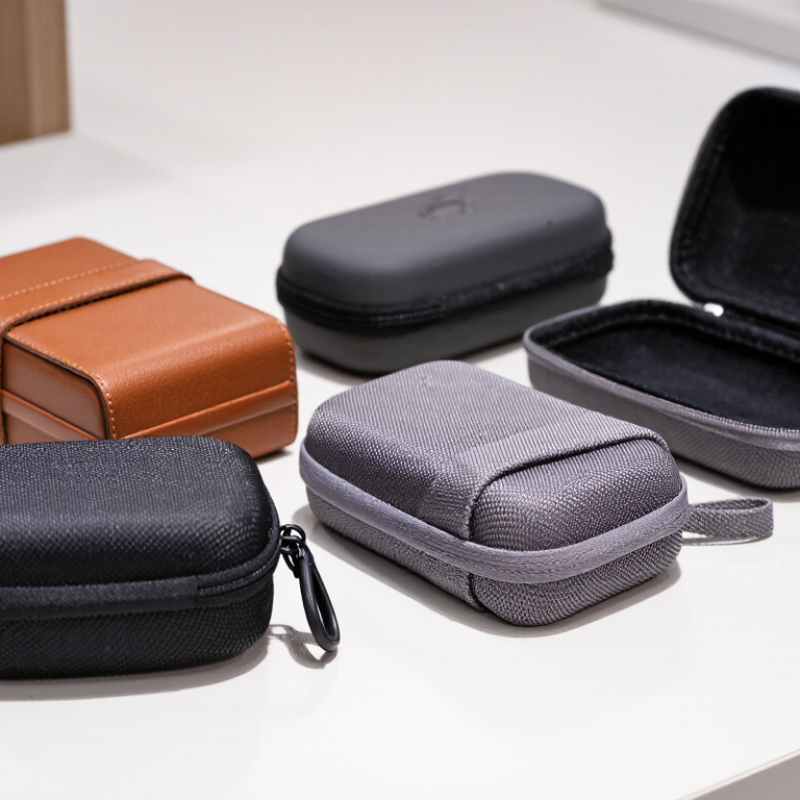
There is no universal best choice. A compact EVA case may suit travel retailers, while a rigid leather-look model may support premium displays. Recycled fabric can strengthen a sustainability story, but its surface may show marks more easily. That trade-off should be measured honestly. Experienced buyers compare performance, not only appearance. They also examine supplier records, quality-control procedures, and after-sales support. The strongest decision balances protection, retail appeal, budget, and dependable delivery. In 2026, successful sourcing will depend on evidence, careful testing, and realistic expectations rather than attractive claims alone.
2026 Best Sunglasses Case for Wholesale Buyers

Market Context: Eyewear’s 8.1% CAGR and Rising Case Demand

Eyewear demand is expanding beyond traditional optical shops. Market forecasts place the sector’s compound annual growth rate at 8.1%, increasing pressure on protective accessories. As more frames move through wholesale channels, sunglasses cases are becoming essential inventory rather than optional packaging.

Wholesale buyers should assess cases through daily handling. A reliable case needs firm walls, smooth hinges, and enough depth for oversized frames. Interior microfiber can reduce surface scratches during transport. Water-resistant outer material also helps when cartons face humid warehouses or sudden rain. Small details matter.

Sample testing should include repeated opening, compression, and shelf stacking. A case that looks strong may crack after several weeks. That mistake is easy to miss. Buyers should compare empty-case weight, carton capacity, defect rates, and replacement terms before placing large orders. Consistent stitching and clean edges also support a more professional retail presentation.

The 8.1% CAGR creates opportunity, but demand alone does not guarantee a good purchase. Some low-cost cases save money initially and create higher sorting labor later. I would request pre-shipment samples and inspect at least twenty units from different cartons. This approach is not perfect, yet it reveals production variation more clearly than one attractive sample. Functional colors, compact dimensions, and neutral styling may also improve storage flexibility across different eyewear collections.

Case Types Explained: EVA, Hard Shell, Soft Pouch, and Folding Designs

2026 Best Sunglasses Case for Wholesale Buyers

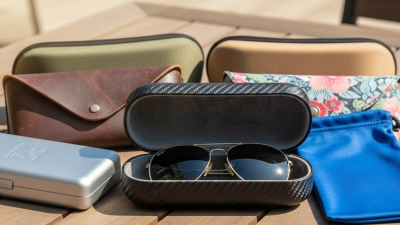
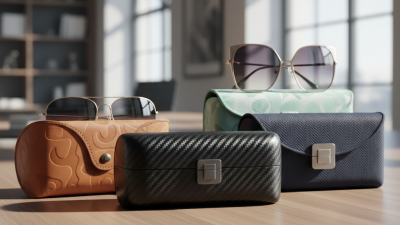
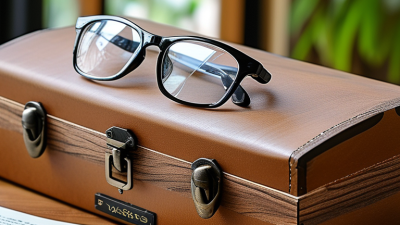
Wholesale buyers need to match case construction with product value, shipping conditions, and customer habits. EVA cases offer light protection, water resistance, and consistent shapes. They work well for everyday sunglasses and compact retail displays. Hard shell cases provide stronger impact protection. They suit premium frames, travel collections, and products shipped through busy distribution networks. However, heavier cases can raise freight costs.

Soft pouches use fabric, microfiber, or similar flexible materials. They save space and support large-volume orders. They also reduce surface scratches, but they cannot prevent crushing. Folding designs add another option. These cases collapse during storage and shipping, then open into a practical holder. Their hinges, seams, and closure points need careful inspection. I have seen attractive samples fail after repeated folding. A catalog image cannot reveal that weakness.

Tips: Request samples from different production batches. Test zipper movement, stitching, odor, and interior softness. Place a packed case under moderate pressure for several hours. Measure the folded and expanded sizes. Ask for material specifications and packaging details. Do not judge soft pouches as cheap automatically; some fabrics feel durable and refined. Still, that judgment can change after cleaning or long-term use. A small trial order is usually wiser than a large commitment.

2026 Best Sunglasses Case for Wholesale Buyers - Case Types Explained: EVA, Hard Shell, Soft Pouch, and Folding Designs

Case Type Typical Materials Typical Size Range Approx. Weight Protection Level Storage Capacity Typical Wholesale Price Range* Customization Options Best Wholesale Applications Main Considerations
EVA Case EVA foam shell, polyester or PU exterior, fabric lining, metal or plastic zipper 16.5–18.5 × 7.5–9.0 × 4.0–6.5 cm 45–85 g ★★★★☆
Good resistance to compression, dust, and everyday impact
Usually 1 pair of standard sunglasses; some deeper models hold a cleaning cloth US$0.80–3.00 per unit Printed logo, woven label, zipper color, fabric color, lining, molded shape, hangtag Travel accessories, promotional programs, optical retailers, outdoor products Bulkier than a pouch; zipper and seam quality should be checked before ordering
Hard Shell Case Polycarbonate, ABS, polypropylene, or molded metal shell with textile or microfiber lining 15.5–18.5 × 6.5–9.0 × 3.0–5.5 cm 55–150 g ★★★★★
Highest structural protection against crushing and impact
Usually 1 pair; oversized sunglasses may require a larger interior US$1.20–5.00 per unit Surface printing, embossing, color matching, lining, clasp or zipper selection, custom mold Premium eyewear collections, optical stores, gift sets, protective travel packaging Higher shipping volume and weight; custom molds generally increase tooling cost
Soft Pouch Polyester, cotton, microfiber, nylon, PU, or recycled textile with drawstring or snap closure 17.0–20.0 × 7.0–10.0 cm when flat 8–35 g ★★☆☆☆
Protects against scratches and light dust, but offers limited crush resistance
Usually 1 pair; flexible construction may accommodate different frame shapes US$0.15–1.20 per unit Screen printing, heat transfer, embroidery, woven label, fabric and cord selection Large-volume promotions, fashion accessories, event giveaways, lightweight retail bundles Not suitable for heavy loads or unprotected storage; fabric performance varies by weave and lining
Folding Case PU or textile exterior, cardboard or thin plastic support panels, microfiber lining, magnetic or snap closure Approx. 16.5–18.5 × 7.5–9.0 × 1.5–3.0 cm when folded 35–95 g ★★★☆☆
Moderate protection when closed; protection depends on panel construction
Usually 1 pair of standard or medium-sized sunglasses US$0.70–3.50 per unit Logo printing, debossing, fabric selection, magnetic closure, panel design, custom color Space-efficient retail packaging, subscription boxes, travel kits, gift packaging Compact for transport and display; hinges, folds, and closure alignment need quality inspection

*Price ranges are indicative bulk ranges for standard, non-branded products and can vary according to material grade, dimensions, decoration method, order quantity, packaging, and shipping terms. Dimensions and weights are typical industry ranges rather than fixed specifications.

Protection Standards: ISO 12312-1 and ANSI Z80.3 Retail Requirements

For wholesale buyers, a sunglasses case should support eyewear compliance, not replace it.

ISO 12312-1 covers general sunglasses, including optical performance, transmittance, and durability. ANSI Z80.3 addresses nonprescription sunglasses and fashion eyewear sold through retail channels. Neither standard certifies a case directly. However, a weak case can damage lenses, hinges, or frames after testing and transport.

The Vision Council’s 2024 Consumer Insights reporting indicates that about 80% of U.S. adults use some form of eyewear. That scale makes packaging protection a practical retail concern. A dependable case needs a rigid shell, clean microfiber lining, secure closure, and enough internal clearance. Wholesale teams should request compression, drop, abrasion, and hinge-cycle evidence from suppliers. Test samples with actual frame shapes. A case that fits one model may press another lens.

Tips: Ask for batch-level inspection records, material specifications, and sample photos before ordering. Check for odors, loose stitching, sharp edges, and magnetic closures near sensitive accessories. Do not assume a premium appearance proves protection. I have seen attractive cases fail after repeated drops, especially around the hinge. That detail deserves more attention. Also review carton loading, because crushed outer cartons can undermine an otherwise sound case. Select dimensions that protect retail presentation while controlling shipping volume. The right decision may not be the cheapest unit price.

Wholesale Evaluation: MOQ, Landed Cost, Margin, and 15–30% Safety Stock

2026 Best Sunglasses Case for Wholesale Buyers

For 2026 wholesale buyers, the best sunglasses case is not simply the cheapest protective shell. It must survive transit, display handling, and repeated opening without unpleasant odors or loose hinges. Request samples before discussing volume. Inspect stitching, foam recovery, zipper alignment, and carton compression with your own hands. A low MOQ can reduce cash exposure, but it may increase unit cost and limit color consistency. Compare three quantities, such as 500, 1,000, and 3,000 units. Record the case price, packaging, freight, insurance, duties, and local delivery. That full figure is the landed cost. Some suppliers quote attractive prices while excluding outer-carton charges. I have seen budgets fail here.

Set margin using landed cost, not factory price. If a case lands at $2.40 and sells wholesale at $5.00, gross margin is 52%. Leave room for payment fees, warehouse labor, returns, and minor defects. A 50% paper margin can become uncomfortable quickly. Safety stock should usually cover 15–30% above the demand plan. Choose the lower end for stable colors and reliable replenishment. Use the higher end for seasonal launches, long ocean transit, or uncertain sales data. Do not hide weak forecasting behind extra inventory. My own early estimates were too optimistic during a warm-weather launch. Several weeks of demand arrived earlier than expected, while one color moved slowly. Review sell-through weekly, and separate fast-moving sizes from stagnant stock. Keep a written cost sheet for every quote revision.

2026 Best Sunglasses Case for Wholesale Buyers

Wholesale evaluation based on a 500-unit MOQ, USD per unit, with a 15–30% safety-stock planning range.

Evaluation Metric Value Wholesale Interpretation
Minimum order quantity 500 units Entry quantity for a standard wholesale production run
15% safety stock 575 units Suitable for stable demand and shorter replenishment cycles
30% safety stock 650 units Suitable for seasonal demand or longer lead times
Estimated gross margin 48.2% Calculated from a USD 5.50 wholesale price and USD 2.85 landed cost

The benchmark assumes a durable hard-shell sunglasses case with basic packaging. Landed cost includes a USD 2.20 factory cost, USD 0.35 freight allocation, USD 0.18 duty allocation, and USD 0.12 for packaging and quality control. Actual results vary by material, shipment volume, destination, tariff classification, and payment terms.

2026 Supplier Comparison: Durability, Customization, Packaging, and Lead Time

2026 Best Sunglasses Case for Wholesale Buyers

For wholesale buyers, durability starts with the hinge, not the printed logo. During sample checks, open and close each case at least 30 times. A firm hinge should resist movement without scraping sounds. Hard-shell EVA cases protect frames from pressure inside crowded cartons. Soft microfiber cases reduce scratches but offer less structural protection. Check the lining, stitching, zipper pull, and odor. A strong shell is useful, but a loose zipper can still damage the customer experience.

Customization should match the sales channel. Embossed logos look subtle on leather-like surfaces, while screen printing suits fabric cases and simpler designs. Ask suppliers for physical color samples, not only digital images. Small color differences appear clearly under retail lighting. Packaging also needs practical testing. Individual polybags prevent dust, but oversized cartons waste warehouse space. Recycled paper sleeves can improve presentation, though they may crease during humid shipping. This trade-off deserves honest discussion.

Lead time often changes after artwork approval. Confirm sample timing, production days, inspection time, and shipping separately. Request a written schedule with buffer days. A supplier promising seven-day production may exclude custom molds or packaging assembly. I once underestimated carton approval, and the shipment moved nearly a week late. That mistake showed why every component needs its own deadline. Compare suppliers using the same specifications, including case size, material thickness, logo method, packing quantity, and acceptable defect rate. Cheap pricing can hide slower revisions or weaker quality control.