What Are the 2026 Top Pliers Set Types for Global Buyers?
For global buyers, a 2026 Pliers Set is more than a collection of metal tools. It is a purchasing decision shaped by workshop needs, user safety, durability, and supply reliability. A professional set may include combination pliers, long-nose pliers, diagonal cutters, slip-joint pliers, and locking pliers. Each type serves a different task. Choosing by piece count alone can create avoidable waste.
Real buying experience shows that small details often decide long-term value. Look for forged alloy steel, consistent heat treatment, accurate jaw alignment, and non-slip handles. Check cutting performance on suitable wire samples. Inspect pivot movement and surface finishing under bright light. Packaging also matters when sets travel through humid warehouses or repeated distribution channels. Product test records, factory quality controls, and clear material information can support more reliable sourcing. Applicable safety, labeling, and import requirements should be confirmed in the target market.
The “best” set is not universal. A maintenance distributor may need broad coverage, while an electrical-service buyer may prefer insulated tools and verified protection features. That distinction is easy to miss. Some suppliers also advertise oversized sets with redundant tools, raising cost without improving daily productivity. Buyers should compare specifications, sample results, warranty terms, production capacity, and after-sales communication. A careful evaluation may reveal weaknesses before a large order is placed. This guide examines the leading Pliers Set types expected to attract global buyers in 2026, while recognizing that market forecasts can change. Practical evidence still matters most.
Pliers Set Basics and Their Role in Global Tool Markets
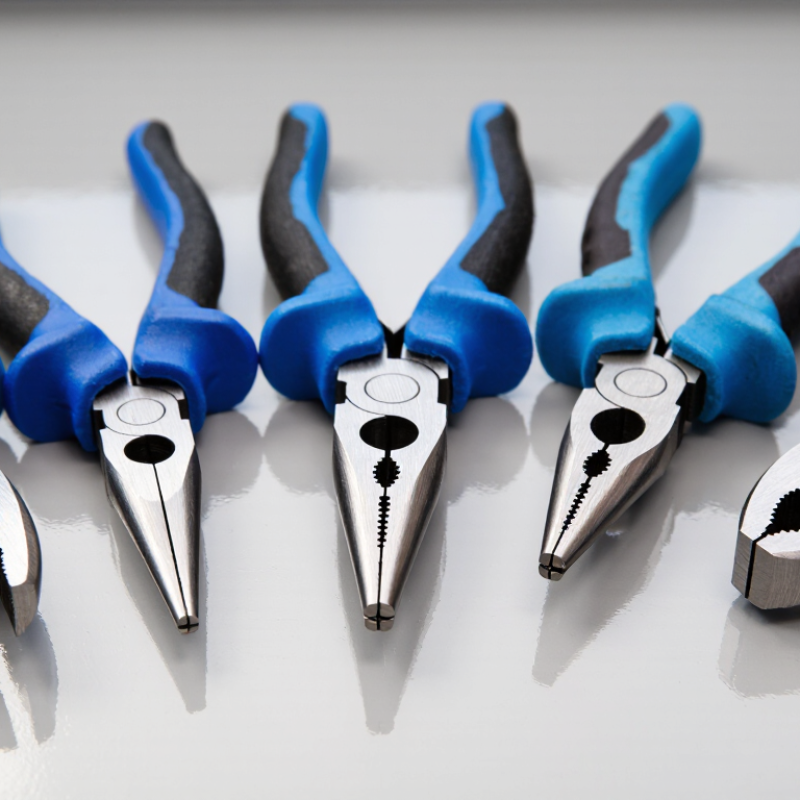
Pliers sets are basic hand-tool groups built around gripping, cutting, bending, and holding tasks. Common 2026 set types include combination pliers, long-nose pliers, diagonal cutters, groove-joint pliers, and locking pliers. Electrical maintenance may also require insulated designs and precision cutters. ISO 5746 and ISO 5749 provide useful references for combination and diagonal cutting pliers. These standards help buyers compare dimensions, cutting performance, and safe handling claims.
Their market role is larger than their simple appearance suggests. Fortune Business Insights reported that the global hand tools market was valued at about USD 25 billion in 2023, with continued growth projected through 2032. Mordor Intelligence also expects steady expansion in hand tools demand during 2025–2030. These reports cover wider tool categories, not pliers alone. Still, they show why distributors need flexible, durable sets for workshops, construction, automotive repair, and household maintenance.
Practical buying tests remain essential. A useful set should open smoothly, align at the jaws, and resist visible rust after controlled storage. Handle comfort matters during repeated gripping. Small details matter. Buyers should check jaw hardness, insulation ratings, replacement availability, and packaging size for transport. Lower-priced sets can look attractive, but rough pivots may increase fatigue and damage fasteners. Forecasts are never perfect. Global demand can shift with housing activity, manufacturing output, and shipping costs. I would therefore treat market reports as direction, not a purchasing decision.
Material, Design, and Performance Features to Compare
What Are the 2026 Top Pliers Set Types for Global Buyers?
Global buyers are comparing pliers sets by material, design, and measurable performance. A practical 2026 set may include combination, long-nose, diagonal-cutting, and groove-joint pliers. Chrome-vanadium steel offers strong jaws and useful wear resistance. Stainless steel suits humid storage areas, although it may not match every alloy’s cutting strength. Check hardness data, hinge construction, and jaw alignment instead of trusting polished surfaces.
Handle design affects daily efficiency. Dual-material grips can reduce hand fatigue during repeated cutting and gripping. Slim long-nose heads help reach recessed terminals, while broad jaws support pipe and fastener work. For electrical applications, insulated handles need clear, verifiable safety ratings. Cutting edges should close evenly, without visible gaps. A good set feels balanced. It should not wobble.
Tips: Ask suppliers for material certificates, hardness reports, and sample testing records. Test cutting capacity with the wire sizes your customers actually use. Inspect ten random sets, not only one sample. Review corrosion resistance when products cross humid or coastal markets. I would also compare hinge smoothness after repeated opening cycles. Specifications can look excellent but still miss real workshop behavior. That gap deserves attention.
Selecting Pliers Sets for Different Professional Applications
What Are the 2026 Top Pliers Set Types for Global Buyers?
Professional applications require more than a large tool count. In 2026, global buyers are choosing sets by task, material, and working environment. Combination pliers suit general assembly, gripping, and light wire work. Long-nose pliers reach narrow electrical housings and small mechanical gaps. Diagonal cutters handle cable and soft wire cleanly. Locking pliers provide firm temporary holding during fabrication or repair.
Specialized sets can improve accuracy. Circlip pliers support machinery maintenance, while water-pump pliers fit plumbing and irregular components. Insulated electrical sets are important for qualified technicians working near energized systems. Buyers should check insulation ratings, jaw hardness, handle comfort, and corrosion resistance. A smooth pivot matters after hours of repeated use. No set is perfect. Some advertised cutting capacities feel optimistic in real workshops, especially with hardened wire.
Tips: Match each tool to its actual application. Check sample dimensions before bulk purchasing. Ask for material reports, testing records, and clear product photos. For international orders, confirm packaging strength and local safety requirements. A practical set may contain fewer tools, but each one should earn its place. Rotate the pivot and inspect jaw alignment before approval. Small defects become expensive at scale.
What Are the 2026 Top Pliers Set Types for Global Buyers?
Selecting pliers sets for different professional applications requires matching the tool mix to the most common work tasks. This representative comparison shows the number of core plier types typically required in a professional set.
The configurations reflect common professional requirements: combination, long-nose, diagonal-cutting, slip-joint, groove-joint, locking, circlip, and water-pump pliers. Values represent representative tool counts per set, not market share or brand performance.
Global Buying Standards, Certifications, and Supply Factors
What Are the 2026 Top Pliers Set Types for Global Buyers?
For 2026, global buyers are prioritizing versatile pliers sets over single-purpose assortments. Typical sets combine combination, long-nose, diagonal-cutting, and water-pump pliers. Insulated sets are important for qualified electrical work. They require clear voltage ratings and controlled insulation testing. IEC 60900 is the key reference for insulated hand tools, while ISO 5744 supports mechanical test methods for pliers. A certificate alone is not enough. Buyers should request batch-level test records, material declarations, and traceable production dates.
Market data supports continued demand. Fortune Business Insights valued the global hand tools market at about 25.7 billion U.S. dollars in 2023 and forecast strong growth through 2032. This growth increases supplier pressure. Buyers should compare forged chromium-vanadium steel, jaw hardness, cutting performance, and corrosion resistance. Black oxide and nickel finishes can protect surfaces, but coating quality varies noticeably. Small details matter.
Supply reliability now includes more than price. Purchasing teams should review factory capacity, mold ownership, inspection frequency, minimum order quantities, and spare packaging plans. ASTM F1505 may help when evaluating insulated tool performance for electrical applications, but regional requirements still differ. Lead times can change when steel prices, port congestion, or seasonal demand rise. I have seen attractive samples fail during repeated cutting tests. That remains a useful warning. A lower price may hide weaker pivots, inconsistent heat treatment, or incomplete documentation. Less glamorous. More important.