What is the Best Contact Lens Case for Your Daily Needs and Eye Care
When it comes to optimal eye care, the choice of a contact lens case can often be overlooked. However, industry expert Dr. Emily Sung, a renowned optometrist, emphasizes the importance of selecting the right case by stating, "A quality contact lens case is just as crucial as the lenses themselves; it plays a vital role in maintaining eye health and preventing infections." With the myriad of options available, from standard designs to advanced antibacterial cases, understanding which contact lens case best meets your daily needs is essential for ensuring proper hygiene and care.
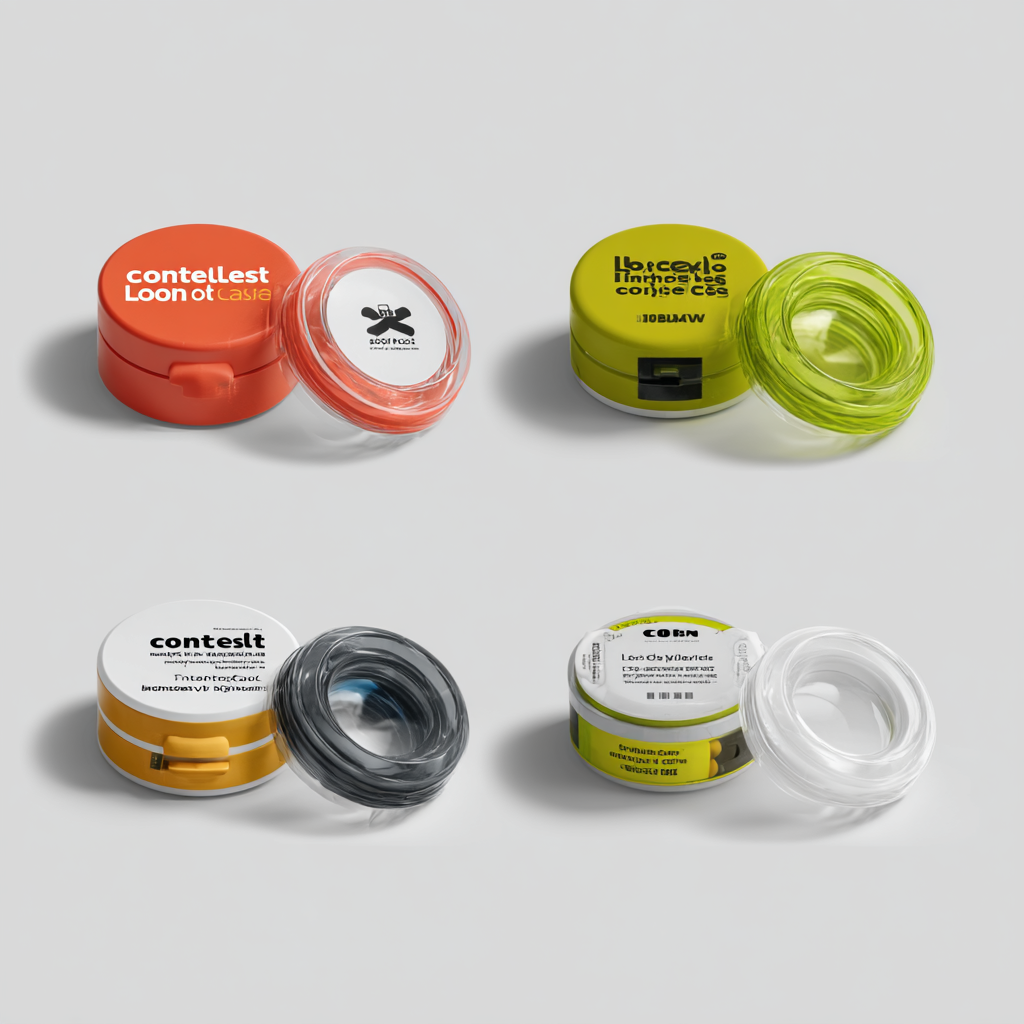
As we delve into the various factors that influence the selection of an appropriate contact lens case, it is crucial to consider aspects such as material, design, and functionality. Many individuals may not recognize that a poorly chosen case can lead to complications, negating the benefits of the lenses. By exploring the top contact lens case types available on the market today, we aim to equip you with the knowledge necessary to make an informed decision that supports your eye health and daily lifestyle.
In an era where convenience and health are paramount, finding the best contact lens case tailored to your specific needs has never been more important. The right choice not only enhances your experience with contact lenses but also mitigates potential risks, thereby contributing to long-term eye wellness. Join us as we uncover the leading options in contact lens cases to ensure that your vision remains clear and your eyes stay healthy.
Choosing the Right Material for Your Contact Lens Case: Silicone vs. Plastic
When selecting a contact lens case, one of the primary considerations is the material used, with silicone and plastic being the most common options.
Silicone cases are often regarded for their flexibility and durability. They are less likely to crack and can withstand a wider range of temperatures, making them suitable for travel and everyday use. Additionally, silicone has a natural resistance to bacteria, which contributes to better eye health by reducing the risk of infections.
On the other hand, plastic cases are lightweight and usually more affordable. They come in a variety of designs and colors, appealing to those who enjoy personalizing their eye care accessories. However, plastic cases may not be as resistant to wear and tear as their silicone counterparts.
It's essential for users to regularly replace plastic cases to ensure optimal hygiene. Ultimately, the choice between silicone and plastic will depend on individual priorities, such as durability, convenience, and budget, with each material offering distinct advantages for daily lens care.
Understanding the Importance of UV Protection in Your Contact Lens Case
When selecting a contact lens case, one crucial factor to consider is UV protection. According to a report by the American Optometric Association, over 40% of contact lens wearers are unaware that their lenses can be vulnerable to UV radiation. This lack of awareness can lead to long-term eye health issues, including cataracts and ocular cancers, making UV protection in contact lens cases an essential consideration. A case designed with UV-blocking materials helps shield your lenses from harmful rays, ensuring that they reduce the risk of sun-related damage.
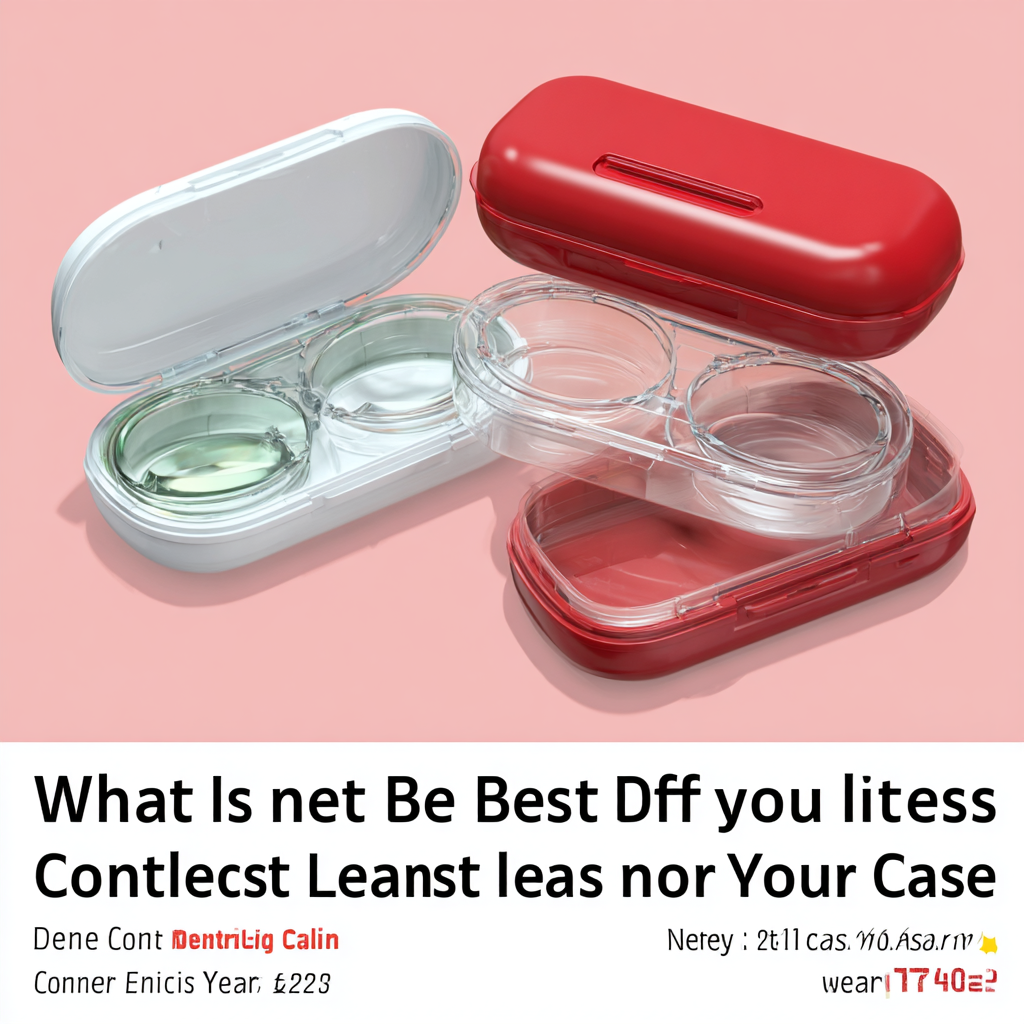
Additionally, the Optometry and Vision Science journal highlights that lenses exposed to UV rays can degrade faster, affecting both comfort and vision clarity. High-quality UV-protective cases keep lenses in a safer environment when not in use, mitigating potential harm from the sun. More than just a storage option, investing in a contact lens case with UV protection is a proactive step toward maintaining optimal eye health and longevity of your lenses. As a daily wear user, this added layer of protection can significantly enhance your overall eye care routine.
How to Properly Clean and Maintain Your Contact Lens Case for Optimal Eye Health
Properly cleaning and maintaining your contact lens case is crucial to ensuring optimal eye health. According to the Centers for Disease Control and Prevention (CDC), inadequate lens case hygiene can lead to serious eye infections, with studies indicating that about 30% of contact lens wearers experience complications due to poor case care. To minimize risks, it's recommended to replace your lens case every three months and to clean it consistently with fresh solution.
Tips for maintenance: always rinse the case with your contact lens solution instead of water after each use, as water can introduce harmful bacteria. Additionally, allow your case to air dry completely when not in use to prevent moisture buildup, which can foster bacteria growth. Researchers from the American Optometric Association suggest that using a designated lens case for daily wear—marked with the date of opening—can help users track when to replace their case and avoid extended use of worn-out products.
Another critical aspect of lens case hygiene is routinely discarding old solution and refilling it with fresh solution each time you store your lenses. The same CDC report highlights that using tap water to clean or store lenses increases the risk of eye infections significantly, making it essential to rely solely on sterile solutions designed for contact lenses. Following these basic hygiene tips can significantly enhance eye health and comfort.
Analyzing the Features of Travel-Friendly Contact Lens Cases for On-the-Go Needs
When it comes to choosing a contact lens case for travel, portability and functionality are paramount. A travel-friendly contact lens case should be compact yet spacious enough to house a pair of lenses, solution, and even a small mirror. Look for hard-shell cases that offer extra protection against accidental drops or pressure changes during transit. Lightweight materials like silicone or robust plastic can help keep the case durable while minimizing weight in your bag.
Additionally, consider cases with integrated features like built-in solution dispensers and separate compartments for cleaning tools. These added functionalities can streamline your eye care routine while on the move. Some models even come with carabiner clips, making it easy to attach the case to your bag or belt loop for convenience. Ultimately, the ideal travel contact lens case combines safety, functionality, and ease of use to ensure that your lenses remain clean and accessible wherever your journey takes you.
Tips for Selecting a Contact Lens Case with Built-in Moisture Retention Technology
When selecting a contact lens case, one important feature to consider is built-in moisture retention technology. This innovative design helps to keep your lenses hydrated, which is crucial for maintaining eye health and ensuring comfort throughout the day. Unlike traditional cases, those with moisture retention capabilities work to minimize dryness and prevent the lenses from becoming brittle or uncomfortable to wear. This is particularly beneficial for those who wear their lenses for extended periods or live in climates with fluctuating humidity levels.
Additionally, when choosing a contact lens case, look for materials that are effective at retaining moisture without compromising hygiene. Cases made from antimicrobial materials are an excellent choice, as they offer added protection against bacterial growth while keeping the lenses moist. Many modern cases also feature secure lids that prevent leaks and contamination. By focusing on these aspects, you can ensure that your contact lens case not only meets your daily needs but also supports your overall eye care routine.