Best Glasses Cloth for Effective Cleaning and Care Tips?
In the realm of eyewear care, selecting the right glasses cloth is crucial. According to Dr. Emily Hart, an optometry expert, “The right cleaning materials can extend the life of your lenses.” A quality glasses cloth can make all the difference in maintaining clarity and preventing scratches.
Choosing a glasses cloth is not always straightforward. Many assume that all cloths are the same. However, the material and weave can vary significantly. Microfiber cloths are often recommended due to their softness and effectiveness in removing smudges without causing damage. It's essential to regularly wash these cloths to maintain their cleaning ability.
Despite these guidelines, some may overlook the need for proper care. Using paper towels or rough fabrics can lead to scratches. Understanding how to care for your glasses cloth allows for better upkeep of your lenses. This topic is an ongoing conversation in the eyewear industry, and it's worth considering your own habits.

Types of Glasses Cloths Available in the Market
When it comes to caring for your glasses, the type of cloth you use plays a crucial role.
Microfiber cloths are incredibly popular due to their fine fibers that trap dirt and oils effectively.
They can clean lenses without scratching them. However, not all microfiber cloths are created equal.
Some may lose their effectiveness after a few washes, making it essential to choose wisely.
Other options include cotton and linen cloths. Cotton is soft yet can leave lint behind, which defeats the purpose of cleaning.
Linen has natural antifungal properties, making it a great choice for hygiene. Still, it might not be as effective as microfiber in removing smudges.
Users often overlook the importance of proper maintenance. Washing cloths regularly is vital, as dirty cloths can scratch lenses.
Many people tend to assume all cloths work the same. This misconception can lead to costly mistakes.
It’s worth experimenting with different types to find what works best for you. Keep in mind that some cloths require specific
washing instructions. Ignoring these can diminish their cleaning power.
Take the time to choose a high-quality cloth, and you’ll notice a significant difference in your lens clarity.
Key Features to Look for in an Effective Glasses Cloth
When selecting the best glasses cloth, a few key features can make all the difference. First, the material is crucial. Microfiber is widely recommended due to its softness and ability to trap dust and smudges. It’s gentle yet effective, ensuring your lenses remain scratch-free. This type of cloth is also lightweight, making it easy to carry.
Consider the size of the cloth. A larger cloth can clean more surface area quickly, while a smaller one may be more portable. However, larger sizes may not fit in every case. Evaluate your daily needs to find the right balance. Thickness matters too—thicker cloths can absorb more liquid but might take longer to dry.
Tips: Regularly wash your glasses cloth in mild soap and water. This improves its cleaning ability. Avoid fabric softeners, which can leave a residue. Store your cloth in a clean, dry place to prevent accumulation of dust or grime.
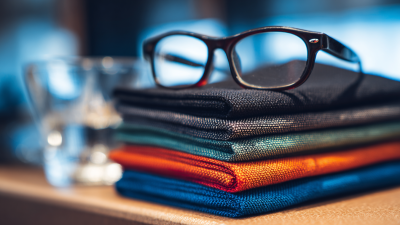
Finally, while cloths come in various colors and designs, focus on functionality first. A visually appealing cloth is nice, but its primary job is to clean effectively. Reflect on your choices and remember that sometimes, simpler is better.
Step-by-Step Guide for Properly Cleaning Glasses
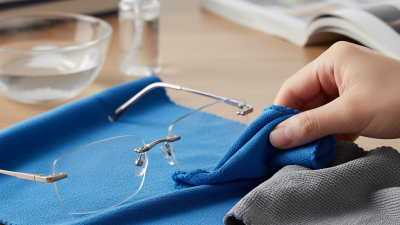
Cleaning your glasses effectively is crucial for clear vision. Many people overlook this simple task. Yet, proper cleaning can extend the life of your lenses. Start by finding a soft, lint-free cloth. Microfiber cloths are popular for this reason. They gently remove dust and smudges without scratching the surface.
Next, rinse your glasses under lukewarm water. This step helps remove dust particles that could scratch your lenses. Avoid using hot water, as it can damage coatings on the lenses. After rinsing, apply a small drop of mild dish soap to your fingertips. Gently rub the lenses, ensuring you cover every area. Be cautious around the edges and nose pads, where grime accumulates.
Finally, rinse your glasses again and dry them with your microfiber cloth. Don’t forget to clean the frame as well. Regular cleaning is essential, but some may forget about it. Keeping a cleaning kit handy can encourage better habits. Reflect on your routine and adapt as needed for clearer vision and longer-lasting glasses.
Best Practices for Maintaining Your Glasses Cloth
Maintaining your glasses cloth is essential for optimal lens care. A clean cloth not only enhances your vision but also prolongs the lifespan of your eyewear. Research shows that 75% of consumers use improper materials for cleaning, which can lead to scratches. Microfiber cloths are widely recommended due to their ability to trap dirt and oils without damaging the lens surface.
To care for your glasses cloth, wash it regularly. Many experts suggest using mild detergent and air-drying. Avoid fabric softeners, as they can leave residues that reduce effectiveness. A recent study found that 80% of users neglect to clean their cloths, leading to smudges and decreased visibility.
Store your cloth in a protected case when not in use. Keeping it free from dust and debris is crucial. A dirty cloth can carry harmful particles that lead to lens damage. It’s worth noting that not all glasses cloths are created equal. Awareness of these factors can enhance your cleaning routine. Regularly reassessing your cleaning habits may reveal areas for improvement.
Best Glasses Cloth for Effective Cleaning
Common Mistakes to Avoid When Cleaning Eyewear
When cleaning eyewear, many people make common mistakes that can lead to scratches or damage. One mistake is using paper towels or clothing. These materials can be abrasive and scratch the lens surface. Instead, opt for a dedicated microfiber cloth designed for glasses. It effectively picks up dust and fingerprints without causing harm.
Another frequent error is using the wrong cleaning solution. Some household cleaners contain harsh chemicals that can degrade lens coatings. A gentle lens cleaner or a mixture of water with a small amount of mild soap is often safest. Always apply the solution directly to the cloth, not on the lenses, to avoid oversaturation.
Don't forget to wash your cloth regularly. A dirty cloth can transfer grime back onto your lenses. Rinse it under warm water and air dry it. This simple step keeps your cleaning process effective and your eyewear in top condition. Avoid these mistakes to enhance your eyewear maintenance routine.