2026 Best Optometry Equipment for Global Buyers to Consider?
In the ever-evolving field of optometry, choosing the right equipment is crucial for success. Optometry Equipment directly influences the quality of patient care and diagnostic accuracy. With increasing demand for effective eye care solutions, 2026 brings an array of innovative tools that can shape the future of practice.
Global buyers must consider factors such as reliability, usability, and technological advancement when selecting optometry equipment. This year, advanced imaging devices and diagnostic tools stand out. However, the right choice may not be straightforward; personal preference and specific practice needs vary significantly.
With numerous brands and models available, buyers can feel overwhelmed. Selecting the optimal equipment may require deeper research and consideration. Engaging with credible suppliers and reading reviews can provide valuable insights. As we explore the best options for 2026, let’s reflect on past experiences to make informed decisions moving forward.
Overview of Optometry Equipment Essential for 2026
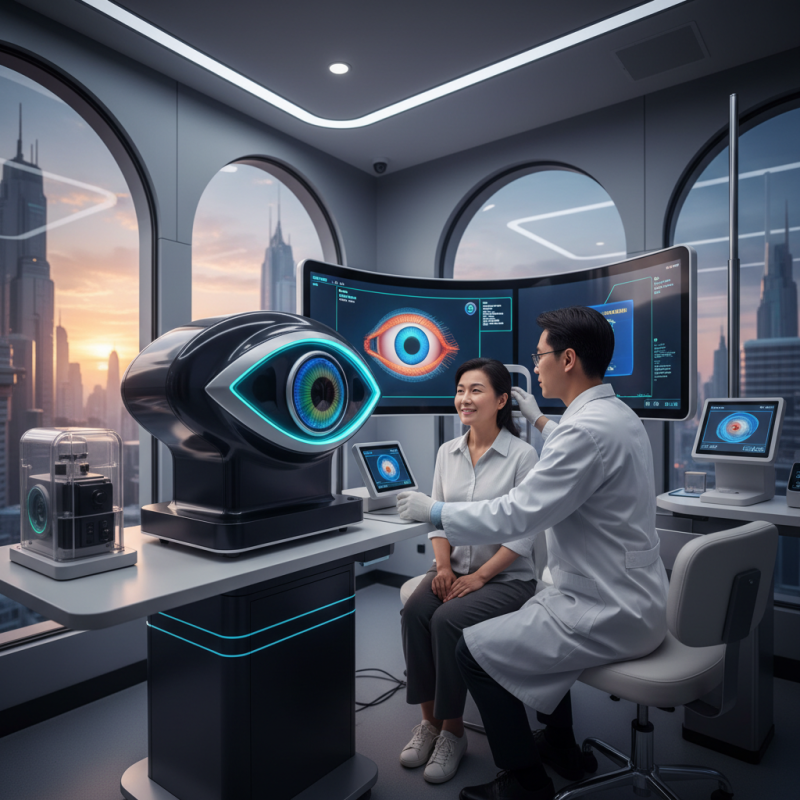
In 2026, the optometry field will witness significant advancements in equipment. Several innovations aim to improve patient care and enhance diagnostic accuracy. A report from the American Optometric Association indicates that nearly 85% of practitioners prioritize investing in advanced diagnostic tools. These tools include retinal imaging systems that provide high-resolution images, allowing for earlier detection of ocular diseases.
Moreover, automated refraction systems are gaining traction. They offer quick and precise measurements, which can reduce patient wait times significantly. According to a survey by the International Optometric Association, 60% of respondents noted that automation improved patient satisfaction. However, there remain challenges. Some practitioners express concerns about over-reliance on technology potentially leading to missed nuances in patient assessments.
Portable vision testing equipment is also becoming essential. It allows for assessments in diverse environments, making eye care accessible in remote areas. Research shows that teleoptometry is on the rise. However, adapting to remote consultations poses issues, such as identifying patients' needs accurately. As the industry evolves, ongoing training will ensure optometrists can integrate these tools effectively, keeping patient care at the forefront.
Key Features to Look for in Optometry Equipment
When selecting optometry equipment, it’s essential to recognize key features that enhance functionality and reliability. For instance, look for precision in instrumentation. High accuracy is crucial for reliable results in patient assessments. Equipment should offer user-friendly interfaces, as this facilitates smoother operations during busy clinic hours.
Tip: Always read reviews or consult peers about their experiences with specific equipment. This can provide valuable insights beyond specifications.
Another vital aspect is durability. Equipment used in optometry must withstand daily wear and tear. A robust design can save you from frequent repairs or replacements, which can be costly. Moreover, consider versatility; equipment that can perform multiple functions reduces the need for additional devices.
Tip: Assess your clinic’s specific needs. Sometimes, investing in a more expensive, multifunctional piece may be wiser than purchasing several single-function devices.
Lastly, prioritize ongoing technical support and training. Equipment that includes reliable customer service ensures issues can be resolved swiftly, maintaining the flow of your practice. Reflect on how easy it is to get repairs or additional training when you make your choice.
2026 Best Optometry Equipment for Global Buyers to Consider
| Equipment Type |
Key Features |
Price Range (USD) |
Recommended Usage |
| Phoropter |
Digital adjustments, integrated refractor, easy-to-read dials |
$2,000 - $5,000 |
Refraction testing |
| OCT (Optical Coherence Tomography) |
High-resolution imaging, non-invasive, 3D scans |
$15,000 - $100,000 |
Retinal imaging |
| Visual Field Analyzer |
Automated testing, sensitivity mapping, user-friendly interface |
$5,000 - $25,000 |
Glaucoma screening |
| Fundus Camera |
Wide-angle viewing, digital imaging, patient-friendly |
$10,000 - $50,000 |
Fundus examination |
| Slit Lamp |
Adjustable illumination, magnification options, portable design |
$1,500 - $10,000 |
Anterior segment examination |
Top Brands and Manufacturers to Consider in 2026
When considering optometry equipment for 2026, buyers should focus on leading brands and manufacturers. The industry is continuously evolving, and staying informed is critical. Quality equipment enhances diagnostic accuracy and patient satisfaction. Look for manufacturers with a proven track record of innovation. They often introduce features that improve functionality and user experience.
Many top brands offer a range of products, from basic tools to advanced machinery. Evaluate their customer support and training opportunities. It's essential to have reliable service for maintenance and troubleshooting. Sometimes, lesser-known brands can provide unexpected value. They might have unique features that established names lack, prompting deeper exploration.
Buyers should also be aware of the cost versus quality dilemma. Cheaper options may seem attractive but can lead to long-term issues. Investing in reliable equipment often saves money over time. It's worth reflecting on previous purchases and their performance. Learning from past experiences helps refine future decisions. As the industry changes, so do buyers' needs. Staying adaptable is key to making the best choices.
Innovative Technologies Revolutionizing Optometry Equipment
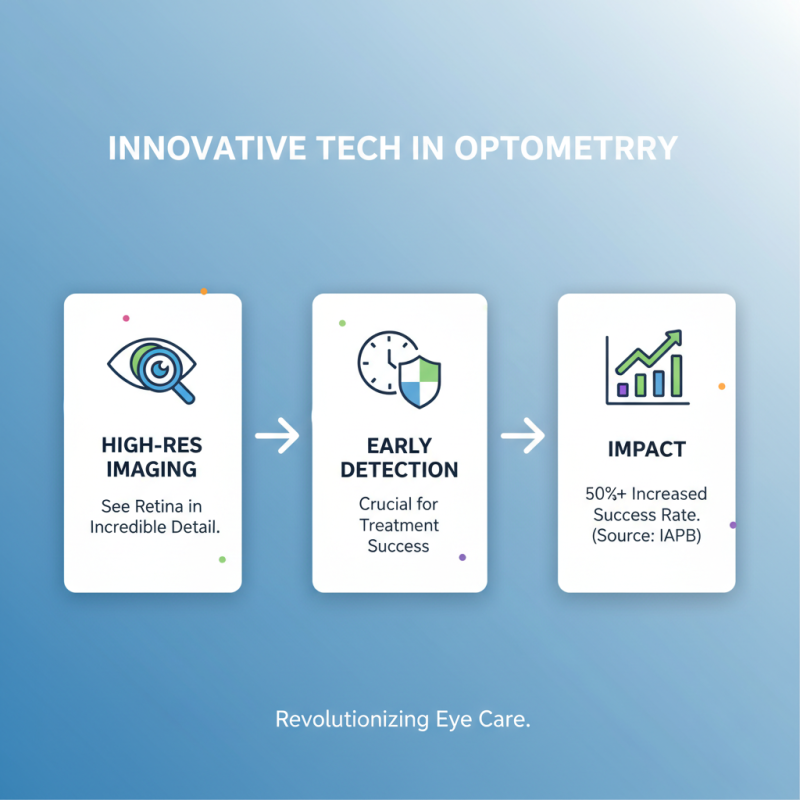
The field of optometry is witnessing a wave of innovative technologies. These advancements are transforming how professionals detect and treat eye conditions. Incorporating high-resolution imaging systems, optometrists can now view the retina in incredible detail. According to the International Agency for the Prevention of Blindness, early detection increases treatment success rates by over 50%.
Tip: Invest in training for your staff. Understanding these new technologies is crucial for maximizing their benefits.
Another promising trend is the integration of artificial intelligence into diagnostic equipment. AI algorithms can analyze patient data with speed and accuracy, identifying potential issues earlier than traditional methods. The American Optometric Association reports that practices using AI-driven tools have seen a 30% increase in diagnosis accuracy. However, reliance on technology poses risks. Overdependence can lead to less hands-on examination by professionals.
Tip: Balance technology with personal patient care. Maintain direct communication with your patients to ensure comprehensive care.
Wearable tech is also on the rise. Devices that monitor eye health can provide continuous data, allowing for proactive management of chronic conditions. Despite their benefits, these devices can create data overload, complicating clinical decisions. It's vital to find a balance between technology and human expertise in optometry. This thoughtful approach is essential as we navigate the future landscape of eye care.
Cost Considerations: Budgeting for Optometry Equipment Purchases
When considering optometry equipment purchases, budgeting is vital. The global market for optometry equipment is growing steadily, projected to reach $5.3 billion by 2026. This surge indicates the need for careful financial planning. Optometrists must evaluate their unique needs first. Not all equipment offers the same return on investment. The cost of diagnostic tools, for instance, can vary significantly, impacting budget allocations.
Equipment purchasing often reveals hidden costs. Training staff on new technology adds to overall expenses. Maintenance and repair costs can accumulate over time. A report from the American Optometric Association highlights that more than 30% of practices face unplanned equipment repairs annually. This underlines the importance of allocating funds for unforeseen maintenance.
Investing in high-quality equipment is crucial, yet so is averting overspending. Practices should consider refurbished options to balance quality and cost. Data suggests that up to 40% of successful optometry practices regularly revisit their equipment financial strategies. This practice reflects adaptability in an evolving market. Evaluating both capabilities and costs remains essential for long-term success in optometry.
2026 Best Optometry Equipment Cost Analysis
This chart illustrates the estimated costs of various optometry equipment for 2026, helping global buyers in budgeting their purchases effectively.