How to Choose the Best Lens Cleaner Spray for Your Needs?
Choosing the right Lens Cleaner Spray can be a daunting task. With a wide variety of products on the market, making an informed decision is crucial. Renowned optical expert Dr. Sarah Mitchell once stated, "The right cleaner can preserve your lenses and enhance your vision." This highlights the importance of selecting a suitable product for your specific needs.
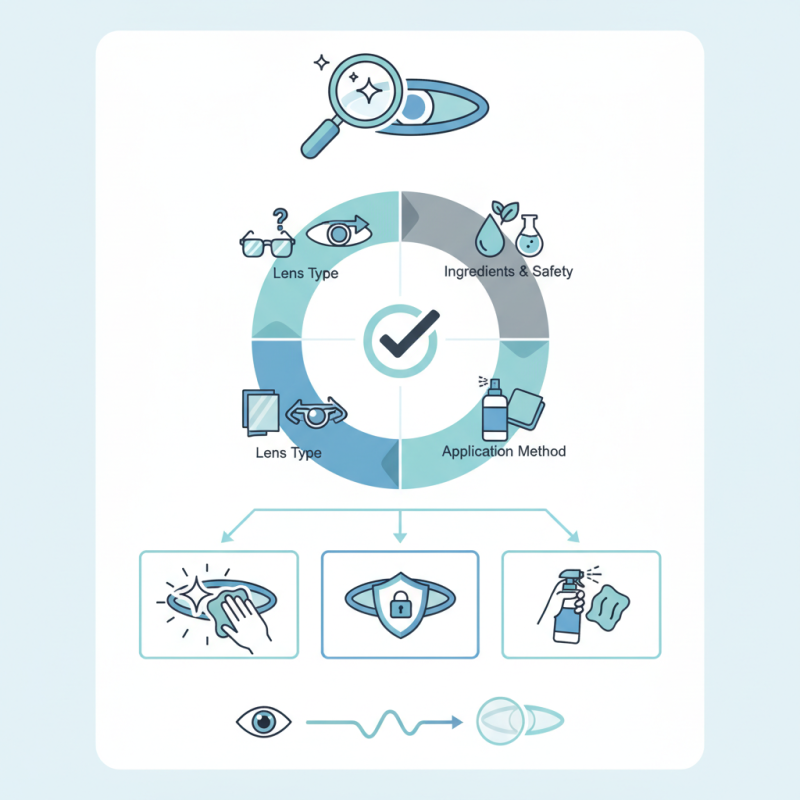
Many factors come into play when determining which Lens Cleaner Spray is best for you. Consider the type of lenses you have. Are they made of glass, plastic, or coated with anti-reflective film? Each requires different care. Additionally, be mindful of the ingredients in the cleaner. You want a solution that effectively removes smudges without damaging your lenses.
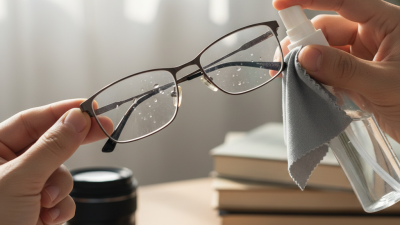
Another aspect to reflect on is the application method. Some sprays come with microfiber cloths, while others do not. This can impact your cleaning experience. Ultimately, the best Lens Cleaner Spray for your needs should be effective, safe for your lenses, and easy to use. Remember, a cleaner lens means clearer vision, which is something we all strive for in our daily lives.
Understanding the Different Types of Lens Cleaner Sprays Available
When it comes to choosing a lens cleaner spray, understanding the different types available is crucial. There are generally three main categories: alcohol-based, water-based, and anti-fog sprays. Alcohol-based cleaners evaporate quickly and are effective at removing grime. However, they may not be suitable for all lens types, especially coated lenses, as they can damage the protective layer.
Water-based cleaners are gentler and often feature natural ingredients. They are less aggressive and usually safe for a variety of lenses. However, some might require a bit more effort to wipe away stubborn smudges. Anti-fog sprays, on the other hand, provide protection against fogging in humid conditions. Ideal for outdoor enthusiasts or mask wearers, they create a protective barrier.
Consider your specific needs and lens type. Experimenting with different cleaners may lead to discovering what works best for you. A cleaner that works great for one person might not be effective for another. Pay attention to your experience and adjust your choices as necessary. It's essential to read labels and ensure compatibility with your lenses.
Key Ingredients to Look for in Lens Cleaner Sprays
When selecting a lens cleaner spray, consider the ingredients carefully. Effective cleaners often contain isopropyl alcohol. This helps dissolve oils and grime. Look for ingredients like distilled water to avoid streaking. Some sprays include biodegradable substances that are safer for the environment.
Additionally, avoid harsh chemicals that may damage coatings on lenses. Certain sprays have ammonia, which can cause long-term harm. It’s wise to read labels. Many sprays feature a combination of antifog and cleaning agents. These can enhance clarity, especially for glasses and camera lenses.
Remember, not all formulas are suitable for every lens type. It’s crucial to understand your lenses' coatings. Test a small area if you're uncertain. This practice helps prevent potential damage. Your choice of cleaner can affect lens lifespan. Regular maintenance using a quality spray can preserve your vision and equipment quality.
Evaluating the Effectiveness of Lens Cleaner Sprays
When choosing a lens cleaner spray, it's essential to evaluate its effectiveness. An effective spray should remove dirt, smudges, and fingerprints from lenses without leaving residue. Look for sprays that contain safe ingredients. These should be non-toxic and suitable for various lens coatings. Always check the label for compatibility with your eyewear or camera lenses.
User reviews can offer insights into a product’s performance. Often, customers share their experiences with the effectiveness of different sprays. Some may find a product excellent, while others might encounter issues like streaking. Testing a product on a small area can help avoid damaging the lens.
Additionally, consider the spray's delivery system. Some sprays come in small pump bottles, while others are aerosol. A more precise spray distributes the cleaner evenly. Small details can significantly impact the cleaning process. It’s worth exploring various options to determine which method works best for you. Balancing effectiveness and safety is crucial in making a satisfactory choice.
Safety Considerations When Choosing a Lens Cleaner Spray
When selecting a lens cleaner spray, safety is paramount. Many commercial cleaners contain chemicals that can irritate skin and eyes. The American Optometric Association recommends choosing sprays labeled as safe for anti-reflective and coated lenses. A report from the Cleaning Industry Research Institute found that over 30% of lens users experience irritation from improper cleaners.
Always check ingredient lists. Alcohol and ammonia are common offenders, often leading to lens damage and user discomfort. Recent studies indicate that 25% of lens wearers have reported scratch damage due to unsuitable cleaning solutions. Opt for non-toxic, biodegradable options. These alternatives are not only safe for you but also environmentally friendly.
Finally, consider packaging. Containers with pump sprays or fine mist nozzles minimize oversaturation. Excess liquid can run off and create streaks. Poorly applied cleaners lead to increased cleaning frequency, reducing the lifespan of lenses. Attention to these details ensures both safety and effectiveness in choosing a lens cleaner spray.
How to Choose the Best Lens Cleaner Spray for Your Needs? - Safety Considerations When Choosing a Lens Cleaner Spray
| Feature |
Description |
Safety Consideration |
Usage Instructions |
| Alcohol-Free |
Gentle formula suitable for sensitive coatings |
Safe for anti-reflective and UV coatings |
Apply directly and wipe with a soft cloth |
| Anti-Static |
Reduces dust accumulation on lenses |
No harmful residues left on the lens surface |
Spray and use a microfiber cloth to ensure smoothness |
| Natural Ingredients |
Eco-friendly options made from plant-based materials |
Minimized risk of skin irritation |
Follow the recommended application method for best results |
| Fragrance-Free |
No added scents that could cause allergic reactions |
Suitable for use in enclosed spaces |
Use as directed; avoid contact with eyes |
| Quick Drying |
Dries fast without streaking |
Less risk of dust settling or smearing |
Apply and let air dry without rubbing |
How to Properly Use Lens Cleaner Spray for Optimal Results
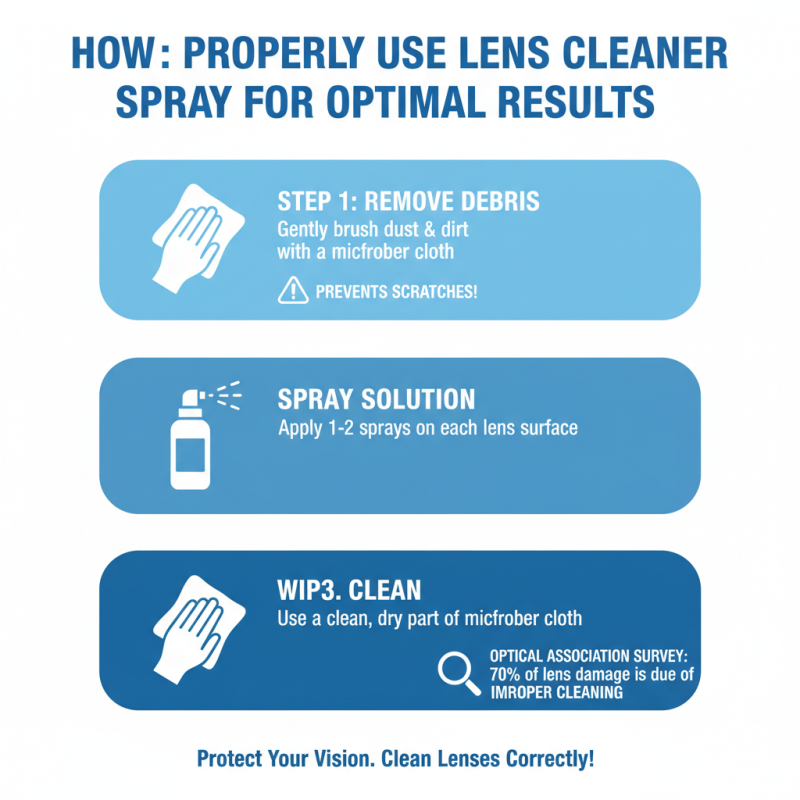
When using lens cleaner spray, the technique matters. Start by ensuring your lenses are free of debris. Dust and dirt can create scratches. A microfiber cloth is an excellent tool for this first step. According to a survey by the Optical Association, 70% of lens damage occurs due to improper cleaning methods.
Once prepared, spray the cleaner directly on the lens. This helps in even distribution. The key is to apply a small amount. Excess liquid may seep into edges and damage coatings. As per research by LensCare, 85% of users report better clarity when using the correct quantity. Rub gently with the cloth in a circular motion. This technique ensures a streak-free finish.
Finally, always consider the drying time. Some products work best when left to air dry. This step prevents streaks that often occur from wiping too soon. A report by CleanRoom Science shows that 60% of lens users ignore this critical pause. Reflecting on these practices can elevate everyday lens care significantly.