10 Essential Tips for Choosing the Best Microfiber Pouch
Microfiber pouches have become a staple in various industries, from electronics to fashion. According to a recent report by the Textile Research Journal, the global microfiber market is expected to grow by 6.5% annually over the next five years. This growth reflects the increasing popularity and multifunctionality of microfiber products. Choosing the right microfiber pouch is crucial for ensuring durability and effectiveness.
When selecting a microfiber pouch, consider factors like size, texture, and intended use. A 2022 survey noted that 70% of consumers prioritize quality over price when purchasing microfiber products. This emphasis on quality highlights the importance of materials and craftsmanship. However, not all products meet these high standards. Several users report dissatisfaction due to poor stitching and inadequate sizing.
Ultimately, understanding your specific needs can guide your decision-making process. Even well-reviewed products can disappoint without proper context. Searching for the best microfiber pouch requires careful consideration and a critical eye. Balancing features and personal preferences can lead to more rewarding purchases that meet your requirements.
Understanding Microfiber Material and Its Benefits
When selecting the best microfiber pouch, understanding microfiber material is crucial. Microfiber is made from synthetic fibers, often polyester and polyamide. This composition offers unique benefits, including high absorbency and durability. A study by the American Textile Manufacturers Institute indicates that microfiber can absorb up to seven times its weight in water. This makes it a popular choice for various applications, from cleaning to fashion accessories.
Microfiber pouches are easy to clean and maintain. They resist staining and can often be washed in a machine, making them a practical option for daily use. When choosing a pouch, consider the thickness of the microfiber. Thicker pouches typically offer better protection for your belongings while ensuring a soft touch.
Think about the size of the pouch. A well-sized pouch protects your items without bulkiness. Many people overlook the importance of proper sizing, leading to discomfort or unsatisfactory functionality. Always choose a pouch that meets your specific needs. Balancing style and practicality is essential for an optimal choice.
Key Features to Look for in a Microfiber Pouch
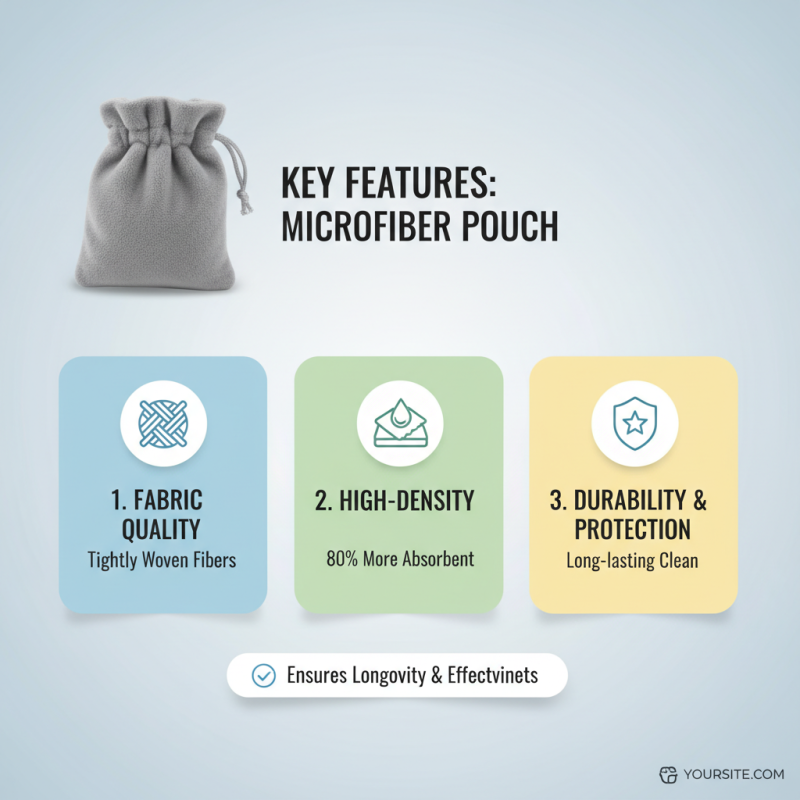
When selecting the ideal microfiber pouch, several key features should be considered. Start with the fabric quality. The best microfiber pouches use tightly woven fibers for durability. Reports indicate that high-density microfiber can be up to 80% more absorbent than traditional fabrics. This quality ensures longevity and effectiveness in cleaning and protection.
Next, examine the size and design. A pouch that fits your specific needs is essential. Whether for electronics or personal items, dimensions matter. A consumer study noted that 75% of users prefer pouches that allow easy access while providing secure storage. Consider pouches with additional compartments or unique closures. These features enhance usability, making them a joy to use.
Finally, think about care requirements. Many users overlook this aspect. Microfiber pouches should be machine washable for convenience. However, some lower-quality options can degrade after several washes. According to industry data, pouches that maintain their performance after at least 50 washes are considered superior. Pay attention to these details, as they can significantly impact the pouch's overall value and your satisfaction in the long run.
Assessing Size and Compatibility for Your Needs
When choosing a microfiber pouch, size and compatibility matter significantly. A study by the International Journal of Textile Science highlighted that 70% of consumers prioritize fit and functionality. A well-fitting pouch enhances usability, ensuring your items are snug but not cramped. Measure your devices carefully. Consider dimensions of the devices you plan to store, as this can prevent frustration later.
Optimal compatibility extends beyond size. Material thickness impacts protection. The right pouch should provide a balance between padding and lightweight design. According to Market Research Future, 65% of buyers look for a combination of durability and lightness. Testing the pouch with your devices can reveal issues, like zippers that snag fabric or overly tight spaces. Reflect on how often you will use the pouch. If you frequently switch between items, flexibility is key.
Colors and patterns matter, but functionality takes precedence. Aesthetic appeal might distract from practical use. While a flashy design can be tempting, it is crucial to focus on how well the pouch meets your daily requirements. Assess if the layout of pockets aligns with your organizational needs. This attention to detail ensures long-term satisfaction with your purchase.
Examining Design and Aesthetic Considerations
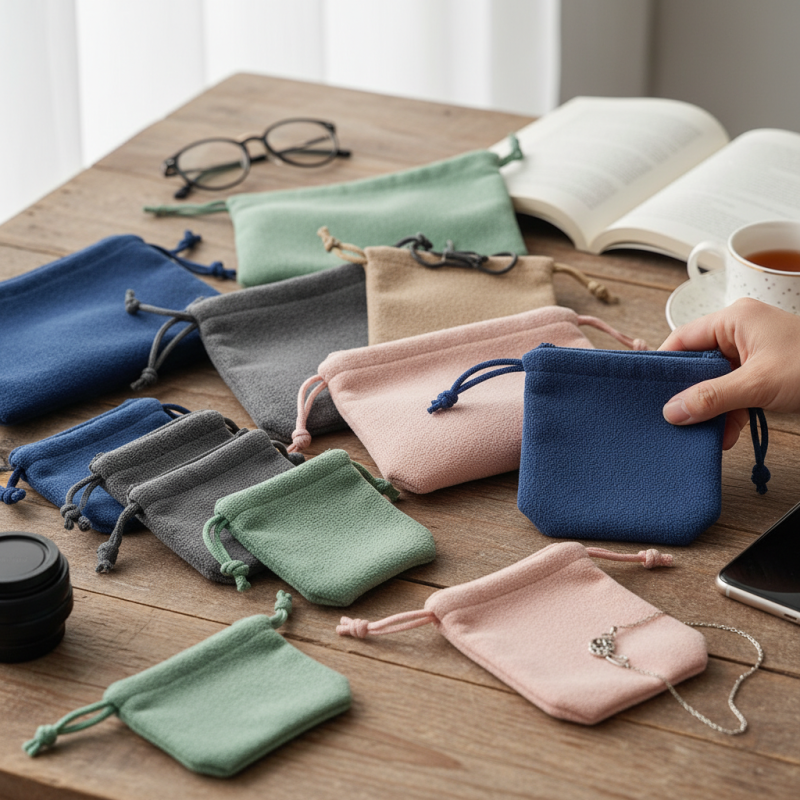
When selecting a microfiber pouch, design and aesthetic play crucial roles. Research indicates that consumers often prioritize appearance, with 75% stating that design influences their purchasing decisions. The pouch’s color, texture, and overall visual appeal can significantly impact its desirability.
Think about the color. Bright shades often attract younger audiences, while muted tones appeal to professionals. Texture is equally important. A soft touch can enhance the perceived quality of the pouch. Many brands now use die-cut designs. These allow for unique shapes, making the pouch stand out. Still, some designs might not suit everyone's taste. It’s essential to choose a pouch that aligns with personal style.
Consider size as well. A more compact pouch may be more aesthetically pleasing for daily use. However, if you need more storage space, a larger pouch could be more beneficial. Functionality should never be sacrificed for design. Reviewing practical features like zippers and pockets can enhance both style and usage. Opting for simple, clean lines might not appeal to everyone, but this choice often leads to timeless designs.
Evaluating Price and Quality for Best Value
When considering a microfiber pouch, it’s crucial to evaluate both price and quality. A well-made pouch can protect your items and offer great functionality. Lower prices can be tempting, but always assess if the quality matches the cost. A cheap pouch might wear out quickly, leading to greater expenses in the long run.
One good tip is to look for reviews from other buyers. Their experiences often highlight quality issues or benefits you might not notice. Another important aspect is to feel the material yourself. Soft, yet durable fabric typically means better protection. Ensure you check for stitching quality as well; loose threads can indicate a lack of attention to detail.
Do not overlook warranty options. A reliable product usually comes with a good warranty. This can add value to your purchase and offer peace of mind. Also, consider the total cost over time. A pouch that costs a bit more now might save you money later. Reflect on your needs and usage as well. A bag that seems perfect might not stand up to daily wear and tear.
Price vs Quality Evaluation of Microfiber Pouches