What is Glass Cleaner Spray and How Does It Work?
In the cleaning industry, the effectiveness of a good Glass Cleaner Spray can’t be overstated. According to Dr. Emily Collins, a renowned expert in cleaning solutions, "A reliable glass cleaner is essential for achieving streak-free shine." This statement underlines the importance of quality formulations.
Glass Cleaner Spray works by utilizing specific ingredients that break down dirt and grime. The sprays often contain surfactants that help lift particles off the glass surfaces. Many people overlook the impact of pH balance in cleaners, which can lead to poor performance. A well-formulated product should be effective yet safe for use.
Despite its benefits, Glass Cleaner Spray can sometimes leave behind streaks if not used properly. Users often apply too much product or fail to wipe it away effectively. Therefore, understanding the right application technique is crucial. As with any cleaning product, not all sprays are created equal, and consumers must choose wisely.
What is Glass Cleaner Spray and Its Key Components?
Glass cleaner spray is a popular household product. It is designed to clean glass surfaces effectively. Its formulation usually includes a mixture of water, surfactants, alcohol, and sometimes ammonia. These ingredients help remove dirt, grime, and fingerprints.
The surfactants in the cleaner break down oils and smudges. Alcohol helps in drying quickly, leaving no streaks behind. Meanwhile, ammonia can enhance the cleaning power but may not be suitable for all surfaces. Some people might be sensitive to strong odors, so choose wisely.
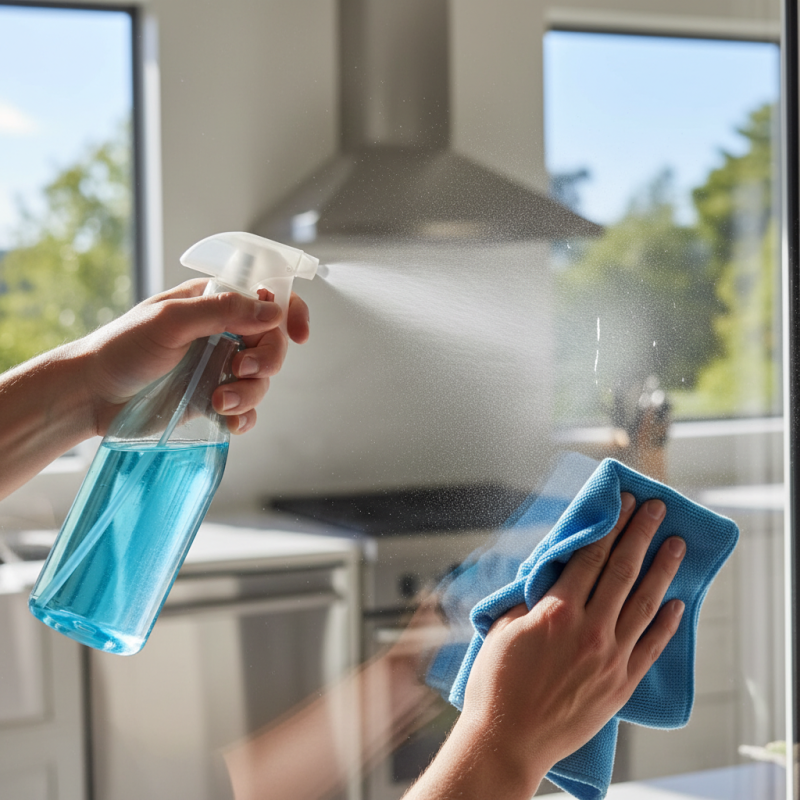
Using glass cleaner can be simple, yet it often involves some trial and error. The right technique matters; using a microfiber cloth results in a better finish. However, overusing the product can leave residues. Users might struggle to find the correct amount to apply. Balance is key for an effective clean.
How Glass Cleaner Spray Works to Remove Dirt and Grime
Glass cleaner spray is designed to tackle dirt and grime on various surfaces. The primary mechanism involves surfactants that break down oil and grease. According to the American Cleaning Institute, effective glass cleaners often contain ammonia or alcohol. These ingredients quickly evaporate, leaving surfaces streak-free.
When dirt particles cling to glass, a cleaner’s surfactants surround and lift them. This action enables easy wiping with a cloth. Studies show that using the right cleaner improves surface cleanliness by up to 90%. It’s important to apply glass cleaner while working in a well-ventilated area to ensure safety and efficacy.
Tips for using glass cleaner: Always spray from the top down. This allows dirt and grime to flow downwards, preventing re-depositing on cleaned areas. Use microfiber cloths instead of paper towels for better results. They trap dirt effectively and reduce lint. Experiment with different brands to find the most effective one for your needs. Sometimes, commercial cleaners don’t perform well in high humidity. Reflect on your approach to cleaning; are you using enough product? The right quantity can make a significant difference.
Effectiveness of Different Types of Glass Cleaner Sprays
This chart illustrates the effectiveness of various types of glass cleaner sprays on a scale from 1 to 10. Ammonia-based cleaners are shown to be the most effective, while DIY solutions score the lowest. This information can help consumers choose the right type of glass cleaner based on their cleaning needs.
Different Types of Glass Cleaner Sprays Available on the Market
When it comes to glass cleaner sprays, the variety available can be overwhelming. Many different formulas exist, each designed for specific tasks. Some cleaners focus on streak-free shine, while others emphasize rapid drying. Users should consider their needs carefully. For basic home use, multi-surface cleaners are quite popular. They are convenient and effective for various surfaces, not just glass.
Specialty cleaners are another option. These are formulated for specific materials, like automotive glass or tinted windows. Often, they include additional features, such as anti-fog properties or UV protection. However, users must note that some sprays include ammonia, which can be harsh on certain surfaces. Organic or eco-friendly options are gaining traction as a safer alternative. These cleaners often lack harsh chemicals, making them healthier for indoor use.
It’s important to remember that not all glass cleaners perform the same. Sometimes, a product may provide a temporary shine but leave behind residue in the long term. Selecting the right cleaner requires evaluating not just the immediate results but also the ongoing maintenance of the glass surfaces. Knowing how each type interacts with various materials can enhance the cleaning experience.
What is Glass Cleaner Spray and How Does It Work? - Different Types of Glass Cleaner Sprays Available on the Market
| Type of Glass Cleaner Spray |
Active Ingredients |
Best For |
Pros |
Cons |
| Ammonia-Based |
Ammonia, Surfactants |
Streak-free shine on glass |
Effective on tough stains |
Strong odor; can damage some surfaces |
| Vinegar-Based |
Vinegar, Water |
Eco-friendly cleaning |
Natural and safe for food surfaces |
May not remove heavy grime |
| Foam Spray |
Surfactants, Solvents |
Vertical surfaces |
Prevents drips; easy application |
Can be more costly |
| Alcohol-Based |
Isopropyl Alcohol, Water |
Quick drying, streak-free finish |
Effective on fingerprints and smudges |
Not as effective on heavy dirt |
Benefits of Using Glass Cleaner Spray for Home and Business
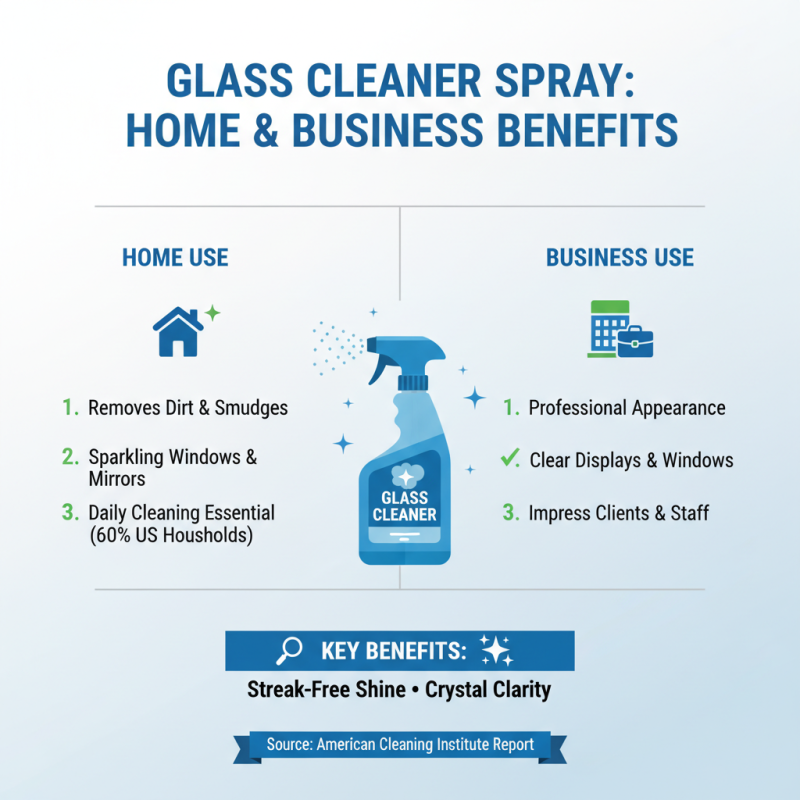
Glass cleaner spray is an essential product for both homes and businesses. Its primary function is to remove dirt, smudges, and grime from glass surfaces, leaving them sparkling clean. This is crucial for maintaining a professional appearance in commercial spaces. According to a report by the American Cleaning Institute, glass cleaning products are used in 60% of U.S. households. This high percentage highlights their importance in daily cleaning routines.
Using glass cleaner spray offers several benefits. For homes, it enhances the clarity of windows and mirrors. Clean surfaces allow more natural light into spaces, creating a brighter and more inviting environment. In commercial settings, clean glass creates a positive impression on customers. Research shows that businesses with well-maintained glass fronts see up to a 30% increase in foot traffic. However, some users may experience streaking issues if improper techniques are used. This underlines the importance of understanding how to apply these products effectively for optimal results.
Moreover, many glass cleaners now include eco-friendly formulas. This is beneficial for reducing environmental impact. Recent studies show that consumers increasingly prefer sustainable cleaning options. Yet, some may find these products less effective compared to traditional ones. Striking a balance between effectiveness and eco-friendliness is an ongoing challenge in the industry. Overall, glass cleaner spray is a valuable tool for achieving cleanliness and professionalism in various settings.
Safe Usage Tips and Environmental Considerations for Glass Cleaner Spray
Using glass cleaner spray can make your surfaces shine, but it's important to use it safely. Many glass cleaners contain chemicals that can be harmful if inhaled or ingested. Always read the label carefully. Wear gloves if you have sensitive skin. Make sure the area is well-ventilated while using the spray. Keeping your space clean is essential, but safety should come first.
Environmental considerations are also significant. Many glass cleaners have ingredients that may not be eco-friendly. Some chemicals can pollute water when washed away. Opting for biodegradable or natural alternatives could reduce your environmental footprint. Using less product helps too. If you’re not careful, you might use more than necessary, which is wasteful.
There's always room for improvement in how we use cleaning products. Reflect on your habits—do you often buy new sprays? Consider reusing containers. By being mindful, you can make a positive difference. Embracing safer and greener options creates a cleaner home and planet.