Lens Cleaner Spray: Essential Guide to Proper Use and Top Choices for Crystal Clear Vision
In the realm of maintaining pristine optical equipment, understanding the proper use of Lens Cleaner Spray is paramount. According to Dr. Emily Thompson, an optical care specialist with over a decade of experience,
"Using the right lens cleaner can significantly improve the longevity and clarity of your eyewear." With advancements in lens technology, the demand for effective cleaning solutions has risen,
highlighting the importance of selecting the right products for optimal care.
Lens Cleaner Spray not only ensures that your lenses remain free from smudges and debris but also helps in preserving their quality against potential damage. Many users are often unaware of the best practices for applying these sprays.
Proper application techniques can make a substantial difference in achieving crystal clear vision, all while enhancing the durability of your lenses.
As we delve deeper into the world of Lens Cleaner Spray, this guide will provide insights into the top choices available on the market, along with essential tips for using these products effectively.
Whether you’re a seasoned eyewear user or new to lens maintenance, understanding how to choose and apply a Lens Cleaner Spray correctly is essential for ensuring that your vision remains as clear as possible.
Understanding Different Types of Lens Cleaner Sprays: Alcohol vs. Alcohol-Free Options
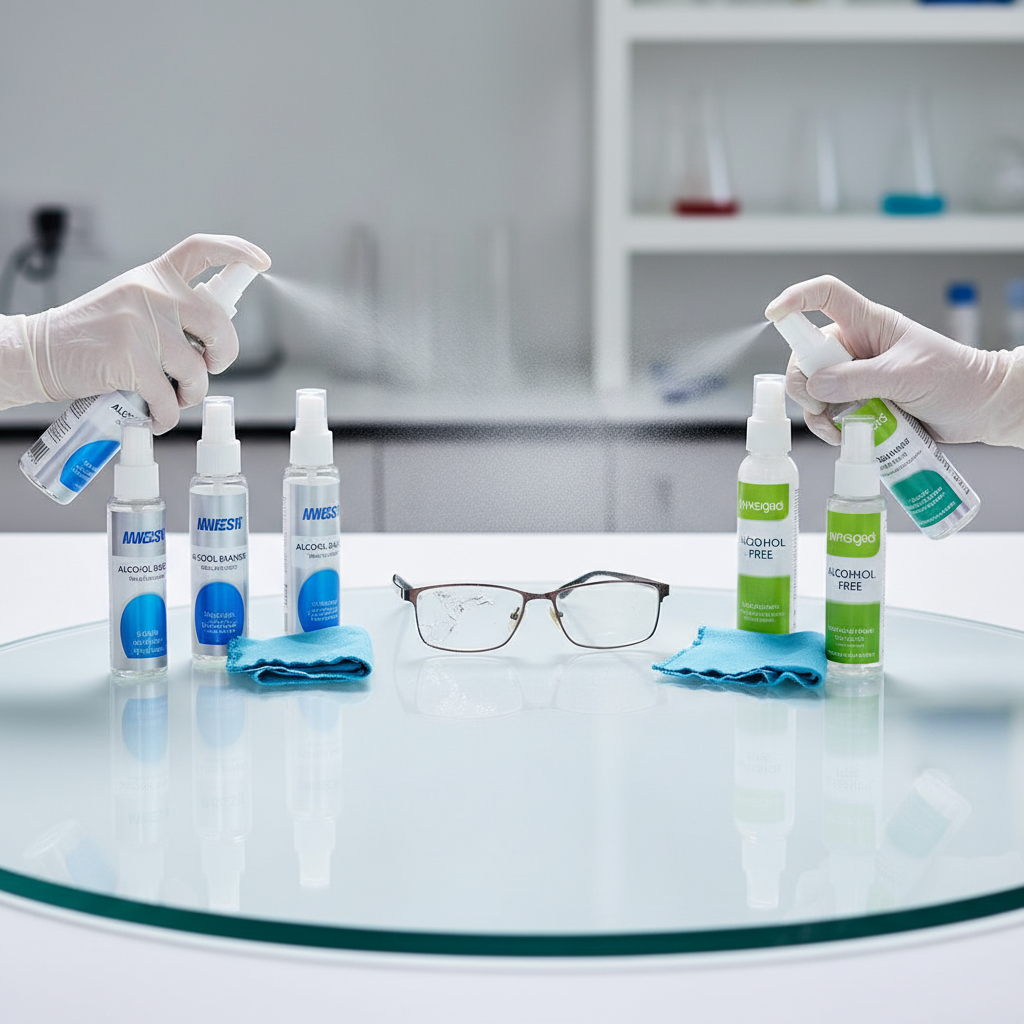
When it comes to maintaining the clarity of your lenses, understanding the types of lens cleaner sprays available is essential. The two primary categories are alcohol-based and alcohol-free options. Alcohol-based cleaners are highly effective in dissolving smudges, grime, and oils that accumulate on lenses. They quickly evaporate, leaving no residue behind, which is crucial for achieving that crystal-clear vision. However, these cleaners may not be suitable for all lens types, particularly those with anti-reflective coatings, as they can potentially degrade these coatings over time.
On the other hand, alcohol-free lens cleaners offer a gentler alternative that is safer for sensitive lens coatings. These sprays often use specialized surfactants and water-based solutions to clean without the risk of damage. While they might not be as fast-acting as their alcohol-based counterparts, they are effective in preventing scratches and extending the life of your lenses. Choosing between these types depends on your lens materials and personal preferences, making it important to consider the specific needs of your eyewear when selecting a cleaner.
Key Ingredients in Effective Lens Cleaner Sprays and Their Benefits for Lens Care
When it comes to maintaining optimal lens clarity, understanding the key ingredients in effective lens cleaner sprays is essential. Most high-quality lens cleaners contain a blend of surfactants and solvents that work together to remove dirt, smudges, and grease from the lens surface.
Surfactants lower the surface tension, allowing the cleanser to spread and penetrate residues more efficiently, while solvents help dissolve oils and other stubborn debris.
Moreover, some lens cleaners incorporate anti-static agents to reduce dust attraction, keeping lenses cleaner for longer periods. Ingredients like alcohol or vinegar are common in many formulas, offering quick-drying features without leaving streaks. Additionally, natural components such as plant extracts can provide antimicrobial benefits, ensuring your lenses are not only clean but also free from harmful bacteria. Using a lens cleaner with these specific ingredients can significantly enhance the longevity and clarity of your eyewear, allowing for a pristine view every time you put them on.
How to Properly Apply Lens Cleaner Spray for Maximum Cleaning Efficiency
When it comes to maintaining your eyewear, knowing how to properly apply lens cleaner spray is essential for achieving maximum cleaning efficiency. According to a report by the Vision Council, around 75% of adults wear glasses or contact lenses, making the regular cleaning of lenses critical not only for clarity but for overall eye health. The first step in using lens cleaner spray is to ensure that both the lens and the spray bottle nozzle are free from dust and debris, which can cause scratches during the cleaning process.
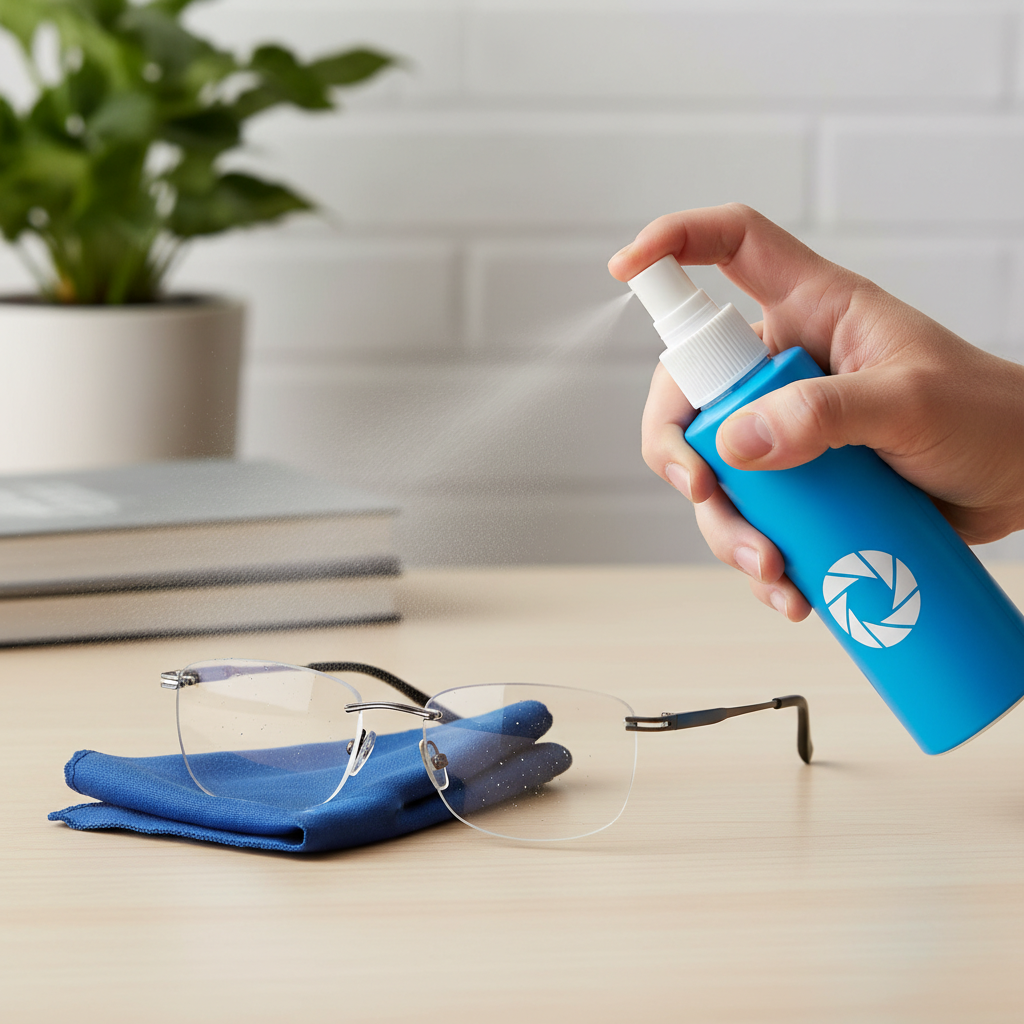
To apply the lens cleaner spray effectively, it's best to hold the bottle about 6-8 inches away from the lens. This distance ensures an even distribution of the cleaner without saturating the lenses. A recent study published in the Journal of Optical Health found that applying cleaner in a circular motion with a microfiber cloth helps lift dirt and oil without leaving streaks. Moreover, using a proper cleaning solution is crucial; opt for sprays labeled as safe for optical lenses, as harsh chemicals can damage coatings. Following these practices not only enhances the clarity of your lenses but also prolongs their lifespan.
Lens Cleaner Spray: Essential Guide to Proper Use and Top Choices for Crystal Clear Vision
| Feature |
Details |
| Type of Cleaner |
Spray |
| Suitable For |
Glasses, Camera Lenses, Screen Protectors |
| Ingredients |
Isopropyl Alcohol, Distilled Water, Surfactants |
| Application Method |
Spray on surface, wipe with microfiber cloth |
| Drying Time |
Immediate drying; streak-free finish |
| Safety Precautions |
Avoid contact with eyes; keep out of reach of children |
| Storage Conditions |
Store in a cool, dry place away from direct sunlight |
| Top Choices |
Eco-friendly, Fast-drying, Non-toxic options available |
Top 5 Lens Cleaner Spray Brands Recommended by Optometrists for Optimal Vision
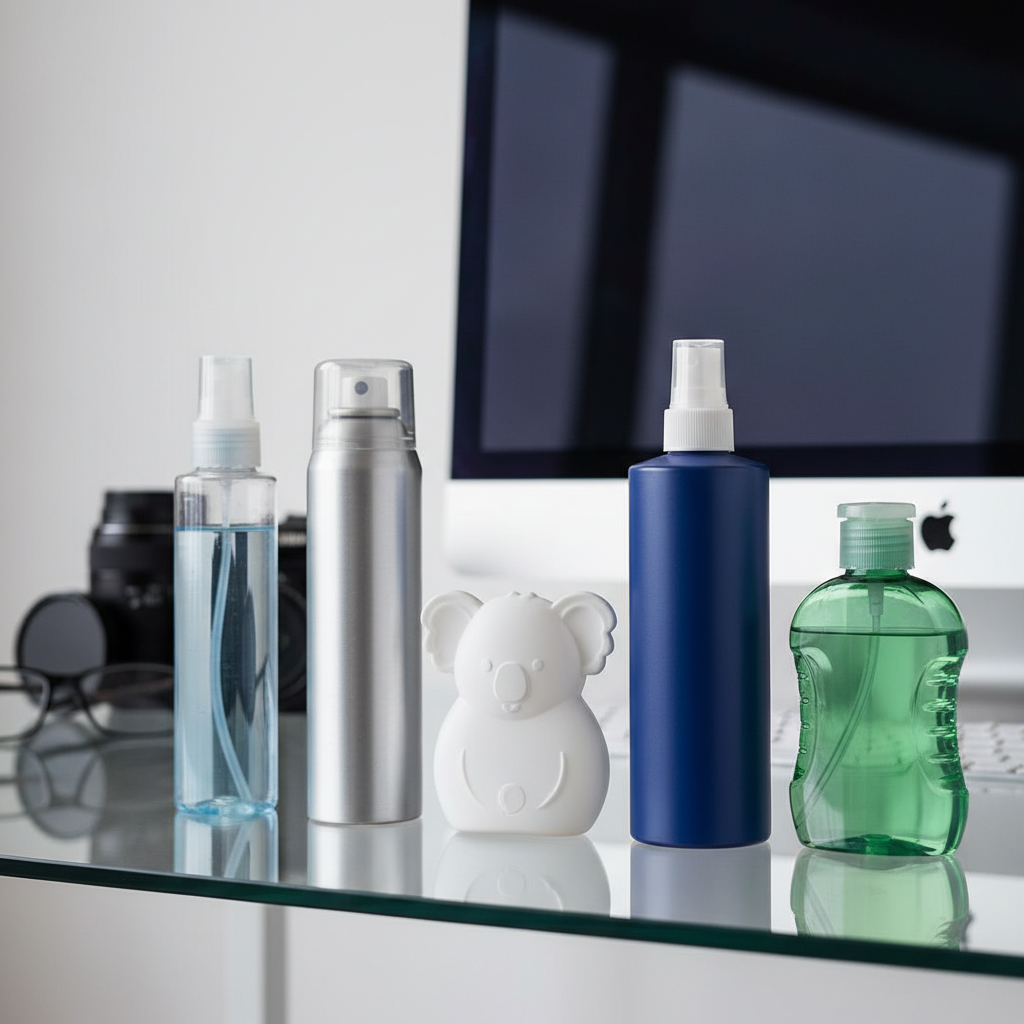
When it comes to maintaining clear vision, using the right lens cleaner spray is essential. Optometrists often recommend several top brands that effectively clean glasses, camera lenses, and monitors without causing damage. Here are five lens cleaner spray brands that have earned the trust of eye care professionals: Zeiss, Rain-X, Koala Kleaner, who specialize in screen and lens cleaning, and Bausch + Lomb, known for its safe and effective solutions.
To maximize the effectiveness of your lens cleaner, consider these tips. First, always check the label for compatibility with your lens type; some cleaners are specifically designed for anti-reflective coatings or other specialized surfaces. Second, remember to spray the cleaner onto a microfiber cloth instead of directly onto the lens to avoid streaks and ensure a gentle wipe. Lastly, take your time when cleaning; a thorough application using circular motions will help remove any stubborn dirt or smudges.
Using recommended lens cleaner sprays not only extends the life of your lenses but also ensures clear and optimal vision. Trusting these proven brands will make a noticeable difference in your daily visual experience.
Maintaining Your Eyewear: Frequency of Cleaning and Best Practices for Longevity
Maintaining your eyewear is crucial for ensuring clarity of vision and prolonging the lifespan of your lenses. Regular cleaning is essential; it is recommended to clean your glasses at least once a day or more frequently if you notice smudges or dirt accumulate. Using a dedicated lens cleaner spray can make this task easier and more effective. Avoid using household cleaners, as they may contain chemicals that can scratch or damage your lenses.
In addition to daily cleaning, it is important to adopt proper cleaning techniques. Always use a microfiber cloth to wipe your lenses, as this material is gentle and less likely to cause scratches compared to paper towels or clothing. When applying lens cleaner spray, spray it directly onto the lenses instead of the cloth to ensure an even distribution and avoid any buildup. For deeper cleaning, consider rinsing your glasses with lukewarm water to remove any debris before applying the cleaner. Following these best practices will not only enhance your vision but also help maintain the integrity of your eyewear for the long term.
Lens Cleaner Spray Usage Frequency and Effectiveness