What is Ophthalmic Equipment and How is it Used?
Ophthalmic equipment plays a vital role in eye care. This sector is projected to reach $45 billion by 2027. Accurate diagnostic tools help in early detection and treatment of eye diseases. Dr. Emily Chen, a leading expert in ophthalmology, states, "The right equipment transforms patient outcomes." High-quality tools improve both diagnosis and procedures.
Despite advancements, there remain challenges. Not all facilities have access to the latest technology. In some regions, outdated equipment hampers effective treatment. As Dr. Chen notes, "Technology must reach all corners of healthcare." Striving for equitable access is a critical issue.
Understanding ophthalmic equipment requires insight into its varied applications. From retinal imaging to refraction units, each tool serves a unique purpose. Eye care providers must continually adapt to innovations in this field. The ongoing evolution emphasizes the need for training and education. This ensures that professionals can utilize equipment effectively.
What is Ophthalmic Equipment?
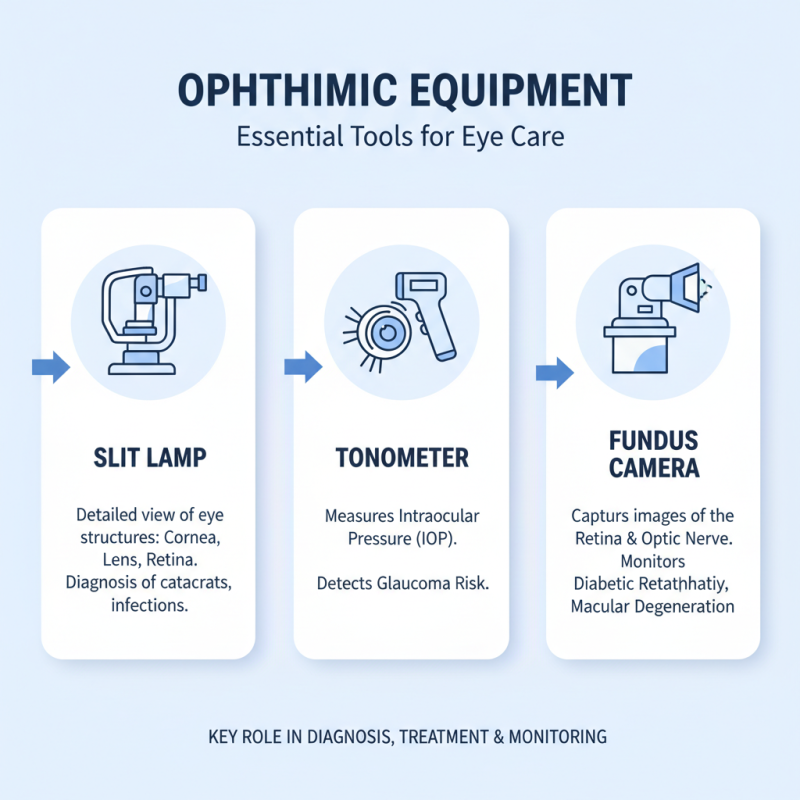
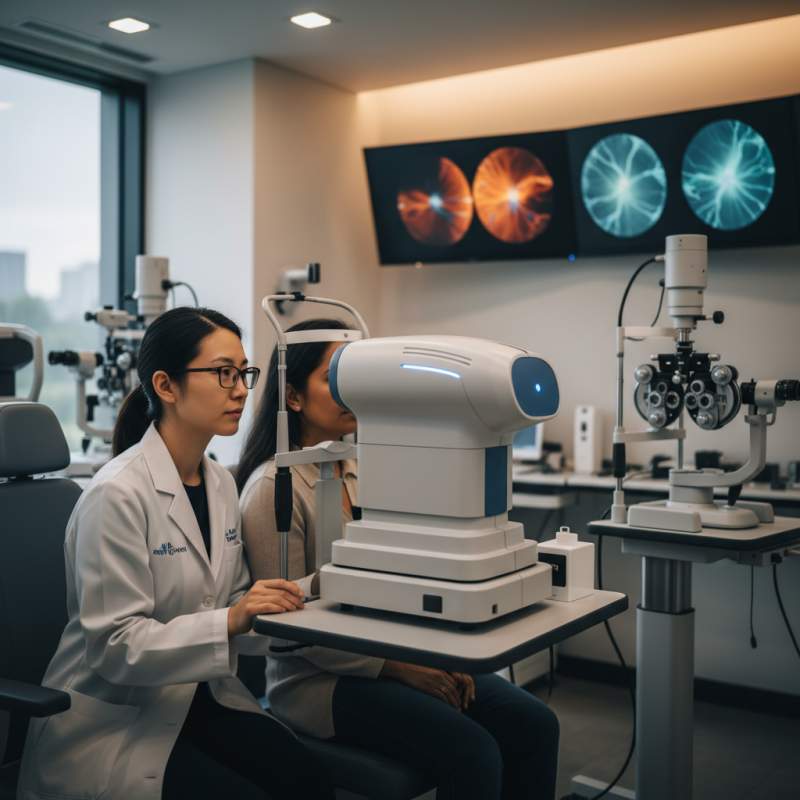
Ophthalmic equipment plays a crucial role in eye care. It includes various tools used by eye care professionals for diagnosis, treatment, and monitoring of eye health. Common types are slit lamps, tonometers, and fundus cameras. Each device serves a specific purpose. Slit lamps provide a detailed view of the eye’s structures. Tonometers measure eye pressure to detect glaucoma. Fundus cameras capture images of the retina, aiding in disease diagnosis.
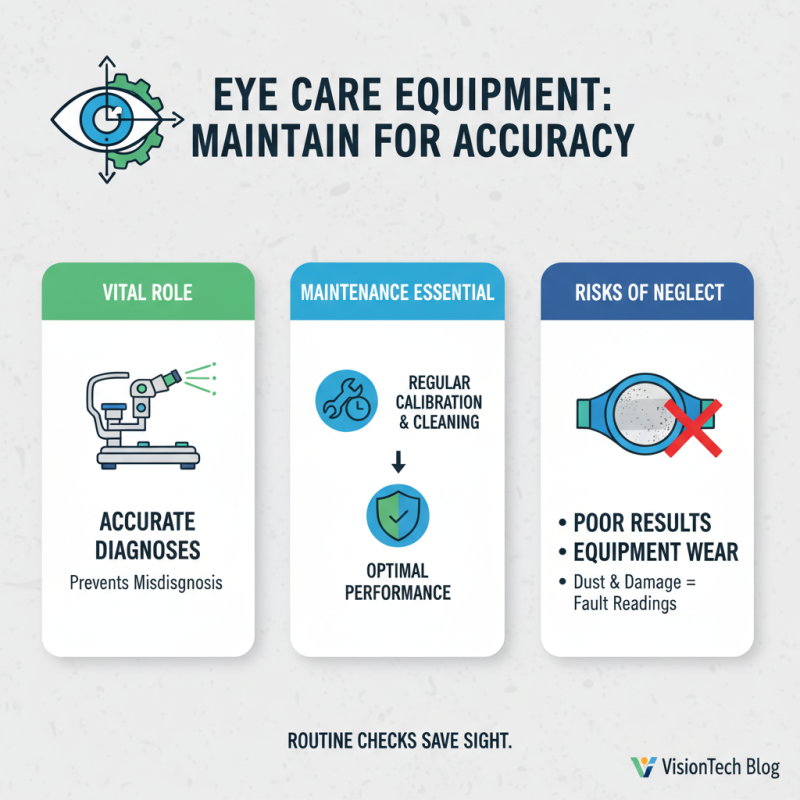
When using ophthalmic equipment, precision is key. It's important to calibrate instruments regularly. Improper calibration can lead to inaccurate readings. Always ensure that the workspace is well-lit and organized. This helps maintain focus and reduces the chance of errors.
Tips: Regular training for staff can improve skills. Understanding each device's operation enhances patient care. Consider setting reminders for routine maintenance checks. This ensures that all equipment remains in optimal condition, preventing unexpected issues.
Types of Ophthalmic Equipment Used in Vision Care
Ophthalmic equipment plays a crucial role in vision care. It includes various tools that help eye care professionals diagnose and treat different eye conditions. Essential devices range from simple tools like ophthalmoscopes to advanced machines like optical coherence tomography (OCT) scanners. The American Academy of Ophthalmology suggests early detection of eye disease can reduce vision loss by up to 80%.
Key types of ophthalmic equipment include tonometers for measuring eye pressure, and autorefractors for assessing refractive errors. These devices are vital in diagnosing conditions such as glaucoma and myopia. Reports highlight that around 2.7 million Americans have glaucoma, underscoring the importance of regular eye exams.
Tip: Always ensure your equipment is calibrated correctly. Inaccurate readings can lead to misdiagnosis.
Another significant tool is the slit lamp. It provides a magnified view of the eye's structures. Proper training on how to operate it is essential. Misuse can cause discomfort and inaccurate assessments.
Tip: Take time to review the proper techniques with your team regularly. It encourages a safe working environment while enhancing patient care.
What is Ophthalmic Equipment and How is it Used? - Types of Ophthalmic Equipment Used in Vision Care
| Type of Equipment |
Purpose |
Common Uses |
| Slit Lamp |
Examine the front part of the eye |
Assess corneal scratches, cataracts, and eye diseases |
| Tonometer |
Measure intraocular pressure |
Screen for glaucoma |
| Ophthalmoscope |
Inspect the interior of the eye |
Examine the retina and optic nerve |
| Retinoscope |
Determine refractive error |
Help prescribe glasses or contact lenses |
| Visual Acuity Chart |
Measure visual acuity |
Test how well a patient can see |
| Autorefractor |
Estimate the prescription for glasses |
Provide quick refraction readings |
Common Applications of Ophthalmic Equipment in Healthcare
Ophthalmic equipment plays a vital role in healthcare, especially in eye care. It enables healthcare professionals to diagnose and treat various eye conditions. Commonly used instruments include tonometers and autorefractors. These tools aid in measuring eye pressure and determining refractive errors.
During routine eye exams, doctors rely on this equipment to assess patients’ vision. The slit lamp provides a detailed view of the eye’s structures. It helps in identifying conditions like cataracts or retinopathy. However, improper use may lead to inaccurate diagnoses. Training is essential for effective operation.
Moreover, advances in technology continually change what ophthalmic equipment can achieve. Incorporating new tools enhances patient care, but there’s a risk of dependency on these machines. Doctors must balance technology use with their clinical judgment. Ensuring that equipment is correctly calibrated is crucial, as even small discrepancies can alter outcomes. The journey of learning and adapting is never-ending in the field of ophthalmology.
How to Properly Use Ophthalmic Equipment
Properly using ophthalmic equipment is crucial in ensuring accurate diagnosis and treatment of eye conditions. The American Academy of Ophthalmology reports that proper techniques can increase the accuracy of visual assessments by up to 30%. Instruments such as slit lamps and tonometers are essential for examining the anterior segment and measuring intraocular pressure. However, many users overlook the importance of routine calibration and maintenance. This neglect can lead to inconsistent readings, ultimately impacting patient care.
When operating equipment, it is vital to ensure that the settings are appropriate for each individual patient. For example, illumination settings on a slit lamp can significantly affect the visibility of ocular structures. Users should also be aware of handling techniques, as improper usage can cause damage to delicate components. Regular training sessions may help staff members stay updated on best practices. A study indicated that 25% of practitioners felt unprepared to use advanced imaging systems confidently, highlighting a persistent gap in training.
Additionally, each type of ophthalmic device has specific operational protocols. For instance, a tonometer requires a calibration check before use. Failure to follow such protocols can yield inaccurate results. Practitioners and technicians often assume they know how to use the equipment, but complacency can lead to mistakes. Reflecting on one's technique regularly is a key aspect of professional development. Ensuring both proper usage and continuous education is essential for optimal results in ophthalmic practices.