Top Optometry Equipment Buyers Guide for Global Sourcing?
When sourcing Optometry Equipment, understanding the market's nuances is crucial. Renowned industry expert Dr. Sarah Thompson emphasizes this, stating, "Investing in the right equipment can elevate patient care significantly." Her insight highlights the importance of quality and reliability in eye care technologies.
Navigating the global market involves numerous factors. From advanced diagnostic tools to prescription eyewear machinery, each piece of equipment plays a role in enhancing patient experiences. Buyers must consider not only the product quality but also the supplier's reputation. Approaching sourcing with a discerning eye ensures that practitioners are well-equipped for optimal eye care.
This guide aims to aid buyers in making informed decisions when selecting Optometry Equipment. Each choice reflects a commitment to patient health and service excellence. Being mindful of the variations in product offerings can shape the future of their practices. Nonetheless, the sourcing journey can lead to missteps if thorough research isn't conducted. Regular reflection on past equipment purchases can yield valuable lessons for future investments.

Essential Criteria for Choosing Optometry Equipment for Global Sourcing
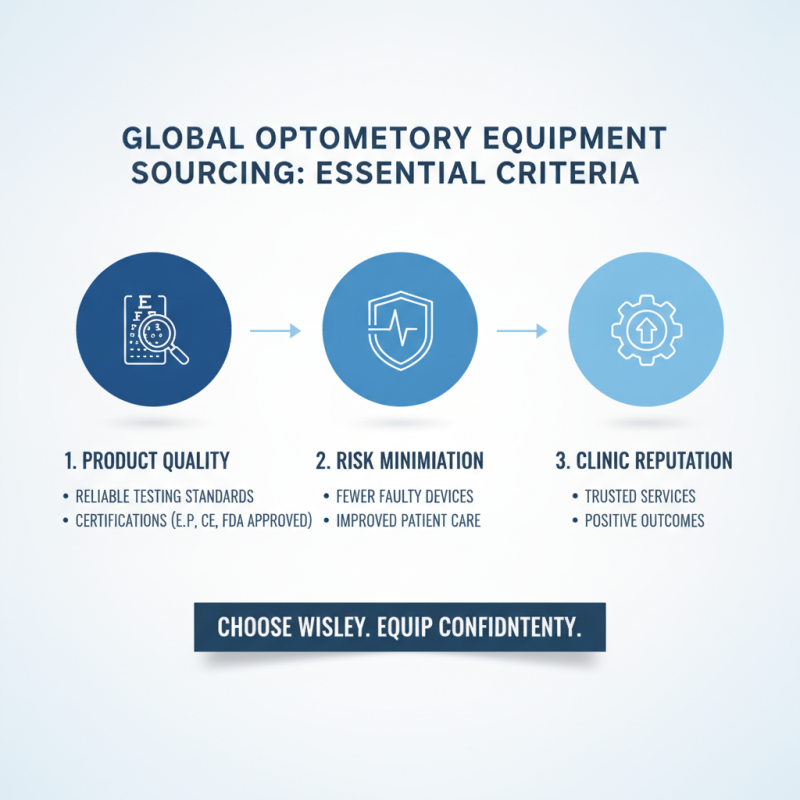
When sourcing optometry equipment globally, certain criteria become crucial. Firstly, assess the product quality. Look for reliable testing standards and certifications. Quality assurance minimizes risks of faulty devices. This directly impacts patient care and clinic reputation.
Next, evaluate the supplier's experience. Partners with years in the industry often understand market trends better. They can provide valuable insights. A well-established supplier usually brings reliability. However, newer suppliers may offer innovative solutions at competitive prices.
Logistics and support play a significant role too. Timely delivery and after-sales support can enhance operational efficiency. Think about your clinic’s location. Shipping times and costs can vary widely. Assessing these factors is vital. Balancing cost and quality is challenging but essential in global sourcing.
Top Types of Optometry Equipment for Modern Practices
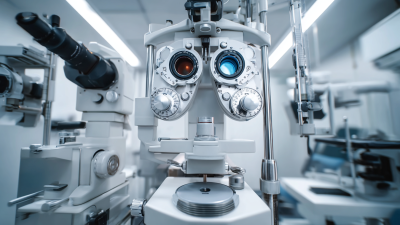
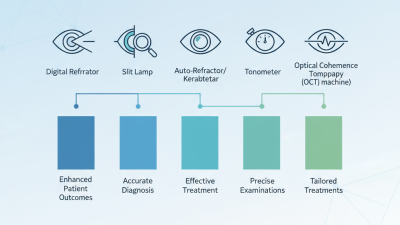
In modern optometry practices, having the right equipment is essential. The demand for precision and efficiency drives the industry forward. Key types of optometry equipment include phoropters, autorefractors, and tonometers. Each tool serves a specific function, enhancing patient care quality.
Phoropters measure refractive errors, allowing optometrists to determine the correct lens prescriptions. Autorefractors automate this process, offering quick and accurate readings. Tonometers are crucial for measuring intraocular pressure, aiding in glaucoma diagnosis. Investing in these tools can elevate service standards. However, choosing the right models is challenging and often requires careful consideration.
Beyond core devices, practices need to stay updated on emerging technologies. Advancements like digital imaging and non-contact tonometry enhance diagnostics but come at a cost. Some practitioners may overlook equipment maintenance, leading to inaccuracies. Regular evaluation of the equipment’s performance can mitigate this risk. Mixing traditional methods with modern innovations can create a balanced approach in patient care, but it requires ongoing training and assessment.
Top Types of Optometry Equipment for Modern Practices
This bar chart displays the number of optometry practices using various essential types of equipment. The data highlights the importance of these tools in modern optometry services, demonstrating their widespread adoption across the industry.
Key Factors Influencing the Purchase of Optometry Equipment
When considering the purchase of optometry equipment, several key factors come into play. The global optometry market is projected to reach $58 billion by 2027, driven by rising demand for vision correction. Equipment buyers prioritize accuracy, reflecting an industry standard of +/- 0.1 diopters in measurement precision. It's essential for optometrists to invest in equipment that ensures reliable diagnostics.
Cost is another significant factor. According to a recent survey, 45% of practitioners said they prioritize budget constraints while 25% acknowledge the need for high-quality tools. Some users have expressed that cheaper alternatives often lead to inaccuracies. This indicates a delicate balance between cost-effectiveness and reliability, which often requires careful consideration.
Moreover, ongoing technology advancements constantly reshape buyer preferences. A report noted that 60% of buyers consider features like telemedicine capabilities essential. In a landscape where remote consultations are increasing, adapting to this trend is critical. However, some practitioners still find it challenging to remain updated with these changes, indicating a need for continuous education and reflection on equipment choices.
Top Optometry Equipment Buyers Guide for Global Sourcing
| Criteria |
Importance Rating (1-5) |
Comments |
| Product Quality |
5 |
Essential for patient safety and reliability. |
| Price |
4 |
Needs to align with budget constraints. |
| Warranty and Support |
5 |
Crucial for equipment maintenance and longevity. |
| Supplier Reputation |
4 |
Impactful on trust and reliability of equipment. |
| Technological Features |
4 |
Must be modern and relevant to current practices. |
| Compliance with Standards |
5 |
Required for legal operation and safety. |
| User-Friendliness |
4 |
Important for effective training and usage. |
| Availability of Spare Parts |
3 |
Enhances maintenance capabilities. |
| Customization Options |
3 |
Allows equipment to better fit needs. |
Best Practices for Evaluating Optometry Equipment Suppliers Worldwide
When sourcing optometry equipment globally, evaluating suppliers requires a robust approach. Start with assessing their experience. A supplier with over five years in the industry often signifies reliability. According to recent reports, 70% of successful practices rely on seasoned suppliers for vital equipment. You can ask for their customer testimonials or case studies to gauge their reputation further.
Quality certifications are another key factor. Look for suppliers that have ISO certifications, which often indicate adherence to rigorous quality standards. Reports show that practices using certified equipment have a 15% lower rate of post-purchase issues. Additionally, consider the supplier's support services. Is their technical support team accessible? Equipment downtime can lead to lost revenue. Hence, a responsive support system can be invaluable.
Pricing is also crucial. However, don’t just choose based on cost. A lower price might mean inferior quality. You might encounter suppliers offering attractive prices but lacking in service quality. Balance cost against value. Keep in mind, 40% of practices end up dissatisfied with low-cost suppliers due to unfulfilled expectations. Aim for quality and reliability in your selection process, maintaining focus on long-term benefits rather than short-term savings.
Emerging Trends in Optometry Equipment for Global Buyers
The landscape of optometry equipment is evolving rapidly. Recent industry reports show a significant increase in digital technology adoption. In fact, 70% of practices are now integrating teleoptometry into their services. This trend reflects growing consumer demand for remote consultations and enhanced accessibility.
Another emerging trend is the shift towards sustainability. Buyers are increasingly prioritizing eco-friendly equipment. Approximately 45% of optometry practices are willing to invest in sustainable technologies. This shift not only benefits the environment but also appeals to a more conscious consumer base. The development of energy-efficient devices is critical as practitioners aim for long-term savings.
Innovations in optical coherence tomography (OCT) have revolutionized disease detection. With improvements in imaging technology, diagnostic accuracy has improved by 30%. However, the complexity of new devices raises questions about the required training. Many practitioners voice concerns over the steep learning curves involved. Balancing advanced tech with user-friendly interfaces remains a priority for manufacturers. These evolving dynamics shape the future of global sourcing in optometry.