
7 Tips for Choosing the Best Glasses Chain?
Choosing the right Glasses Chain is no longer only a fashion decision. It affects comfort, access, and daily confidence. The World Health Organization reports that at least 2.2 billion people live with near or distance vision impairment. Clear vision matters. Yet small accessories can still create irritation, pressure, or unnecessary distraction.
Market signals also show stronger interest in practical eyewear. The Vision Council’s Consumer inSights reports consistently identify glasses as a common vision-correction choice among American adults. That makes chain selection more important than it first appears. A lightweight chain may suit long office hours, while a silicone design may work better for active routines. Metal can look refined, but it may feel cold against the neck. Details become noticeable after eight hours.
Eyewear expert and optometrist Dr. Justin Bazan has said, “Eyewear is an extension of your personality.” That idea applies to a Glasses Chain, too. The best choice should match your face, wardrobe, prescription frame, and movement habits. It should not compete with your glasses.
There is no perfect option. I have learned that attractive chains can still pull behind the ears or catch on collars. Therefore, this guide examines seven practical factors, including material, length, weight, attachment security, skin comfort, styling, and maintenance. These points combine professional guidance with everyday experience. A chain should look good. More importantly, it should quietly earn its place in your routine.
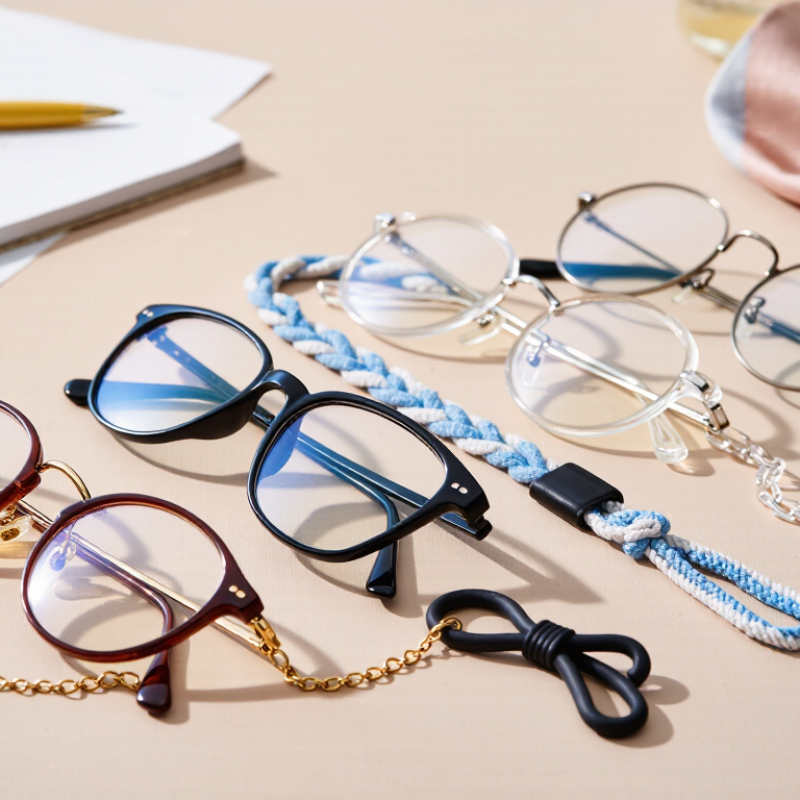
Understanding Glasses Chains and Their Everyday Uses
Glasses chains are practical accessories, not merely decorative details. They keep prescription glasses close during commuting, reading, cooking, and outdoor errands. The World Health Organization estimates that at least 2.2 billion people have near or distance vision impairment. Many need reliable corrective eyewear every day. The Vision Council’s 2023 Consumer Insights Report also found that roughly three in four U.S. adults use vision correction. That makes secure, comfortable glasses storage surprisingly important.
Tips: Choose a chain that matches your routine. Lightweight silicone or nylon works well for long office hours. A stronger metal design may suit frequent outdoor movement. Check the end loops carefully. They should grip the temple arms without stretching them. Measure the chain before buying. Excess length can catch on collars, bags, or chair backs.
Tips: Think about skin comfort and cleaning. Smooth surfaces feel better behind the neck, especially in warm weather. Wash removable chains gently with mild soap and water. Avoid harsh chemicals near lenses and coatings. I once chose style over weight, and the chain pulled my glasses forward. It looked fine, but it became annoying within an hour. That mistake still matters. Consider adjustable stops, secure connectors, and a length that lets the glasses rest naturally on your chest. A chain is useful only when it disappears into daily life.
7 Tips for Choosing the Best Glasses Chain? - Understanding Glasses Chains and Their Everyday Uses
| Selection Tip | What to Check | Typical Options | Best Everyday Use | Practical Recommendation |
|---|---|---|---|---|
| 1. Match the Chain Length | Measure the chain from end to end and consider where the glasses should rest when removed. | About 60–75 cm for a close fit; about 75–85 cm for a lower-hanging fit. | Office work, commuting, shopping, and regular reading. | Choose a length that keeps the glasses near the chest without touching desks or clothing excessively. |
| 2. Select a Suitable Material | Consider weight, flexibility, moisture resistance, skin comfort, and maintenance requirements. | Silicone, nylon cord, stainless steel, plated metal, fabric, or beaded materials. | Silicone and nylon suit active use; metal and beads suit appearance-focused daily wear. | Use lightweight, flexible materials for long wear and humid environments. |
| 3. Check the Attachment Loops | Inspect the loop material, adjustability, internal grip, and compatibility with the temple arms. | Adjustable silicone loops, rubber sleeves, fixed loops, and clip-style attachments. | Active movement, children’s eyewear, workplace use, and frequent removal. | Prefer adjustable loops with a firm grip that do not cover hinges or interfere with folding. |
| 4. Consider Weight and Balance | A heavy chain can pull on the frame, cause pressure behind the ears, or become uncomfortable over time. | Lightweight cord designs are usually under approximately 10 g; decorative chains may weigh more. | Extended reading, desk work, travel, and all-day wear. | Select the lightest design that provides the required strength and appearance. |
| 5. Prioritize Durability | Look for secure connectors, reinforced loops, smooth links, and resistance to bending or fraying. | Welded metal links, braided cords, coated wires, and reinforced end fittings. | Outdoor work, travel, commuting, and frequent daily handling. | Avoid sharp edges, weak split rings, loose crimps, and cords that show early fraying. |
| 6. Match the Design to Your Routine | Think about clothing, work conditions, physical activity, and how often the glasses are removed. | Plain cords for utility, slim chains for discreet styling, and decorative beads for a more noticeable look. | Professional settings, casual wear, social events, and travel. | Choose a low-profile design for formal clothing and a more decorative option for casual outfits. |
| 7. Review Care and Safety Needs | Check cleaning instructions, allergy concerns, water exposure, and possible snagging hazards. | Washable silicone or nylon; wipe-clean coated metal; materials requiring protection from chlorine or salt water. | Daily cleaning, exercise, travel, and use in warm or humid conditions. | Clean with mild soap and water when appropriate, dry fully, and remove the chain during high-risk activities. |
Related Posts
-
Top 10 Stylish Glasses Chain Trends You Need to Know?
-

Best Glasses Cloths for Global Buyers in 2026?
-
How to Choose the Right Spectacles Case for Your Eyewear Needs?
-

5 Surprising Benefits of Using Glass Cleaner Spray for Your Home
-

Best Blocking Pads for Optimal Protection?
-

Ultimate Guide to Choosing the Perfect Eva Case for Your Needs