Top 10 Glass Cleaner Spray Tips for Sparkling Windows?
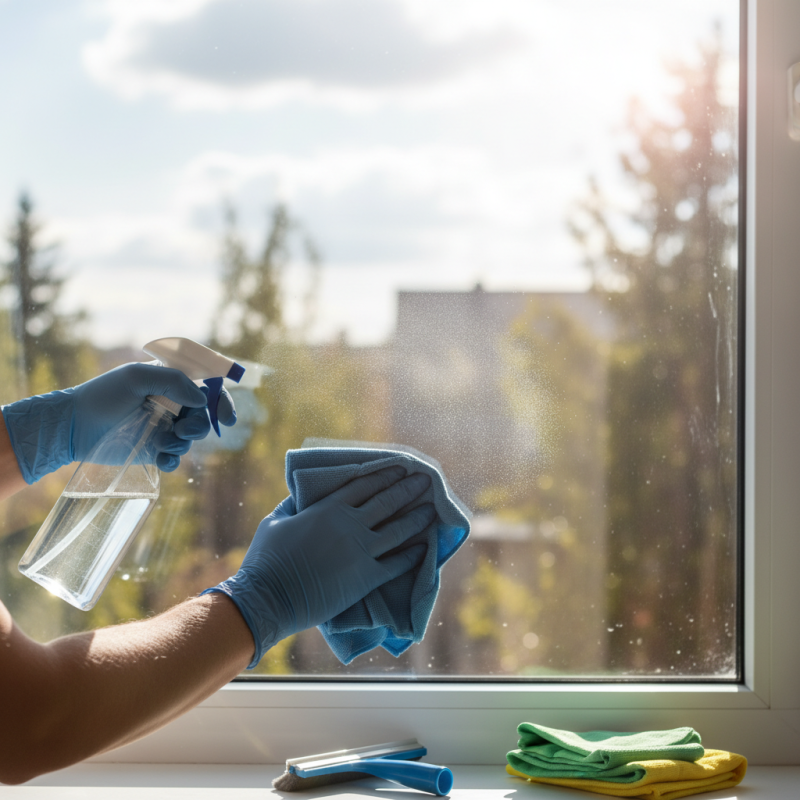
Cleaning windows can feel like a never-ending chore. Using a good Glass Cleaner Spray can make a significant difference. With the right techniques, you can achieve sparkling windows effortlessly.
Many people overlook the proper methods for using glass cleaner sprays. A quick spray and wipe might seem effective, but there’s more to it. For instance, did you know that the type of cloth you use can affect the shine? Microfiber cloths are generally more effective than paper towels.
In this guide, you'll discover essential tips to maximize your glass cleaning efforts. Let’s explore some common missteps. Are you using too much cleaner or wiping in circles? Each mistake can leave streaks behind. A proper approach transforms dull glass into a brilliant finish. Let’s get started on achieving those crystal-clear windows today!
Top 10 Glass Cleaner Spray Tips for Sparkling Windows
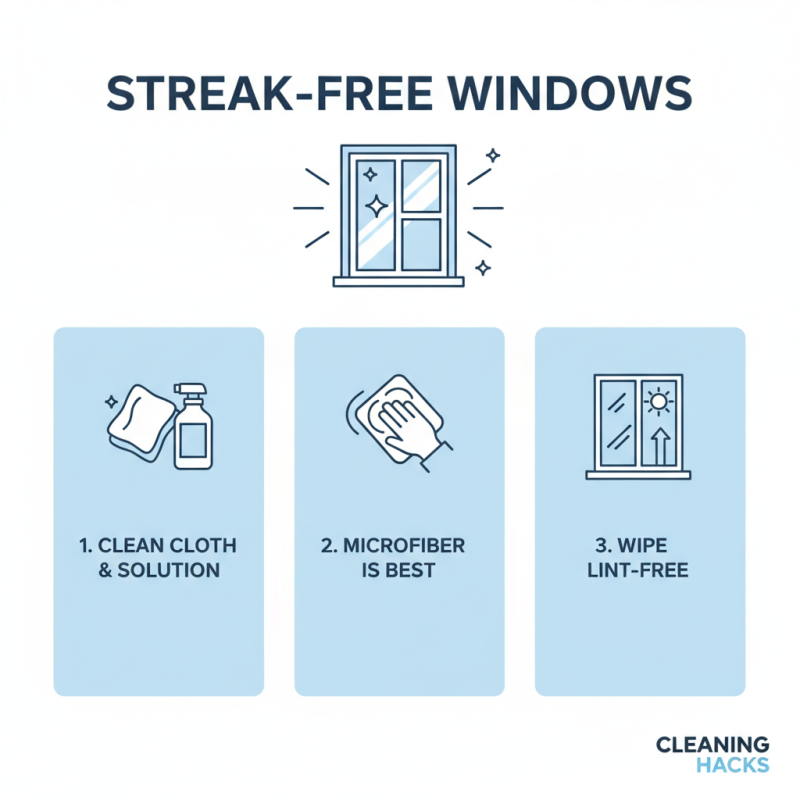
Cleaning windows can feel like a never-ending task. Streaks and smudges seem to reappear immediately after cleaning. However, a few simple tips can make a big difference. First, always use a clean cloth or paper towel. Dirt combines with cleaning solution, creating more streaks. A microfiber cloth is ideal, but any lint-free cloth will work.
Using a spray cleaner effectively can be tricky. Too much product can leave a residue. Instead, spray lightly, covering the glass evenly. For tougher stains, let the cleaner sit for a moment before wiping. This allows it to break down grime better. You might find that sunlight realigns how you see streaks. Sometimes, the light reveals imperfections you didn’t notice before. Adjusting your cleaning angle can help catch these missed spots.
Try cleaning on an overcast day. Direct sunlight can cause the cleaner to dry too quickly, resulting in streaks. Additionally, reconsider your cleaning habits. Do you always reach the same spots? Changing your routine might help you notice areas needing more attention. Keep at it, and those sparkling windows will be your reward.
Understanding the Importance of pH-Balanced Glass Cleaners for Streak-Free Shine
Choosing the right glass cleaner is crucial for achieving a streak-free shine. A pH-balanced glass cleaner is often the best choice. These cleaners are formulated to remove dirt without leaving residual streaks. When the pH is balanced, it helps avoid etching and damage to the surface. This is especially important for tinted windows or delicate glass surfaces.
Using a pH-balanced cleaner can make a noticeable difference. Many people overlook this factor and end up with streaky windows. Improper cleaners can leave a cloudy finish. Light and dirt can cling to these spots, making your efforts seem futile. Observing how cleaner residue affects your glass can lead to better choices in the future.
Experimenting with different application techniques is also essential. A microfiber cloth often works best and prevents scratches. Yet, some may find they leave behind lint. In that case, a paper towel might be better despite potential streaking. Each surface may react differently, requiring patience and careful observation. Exploring these nuances helps improve your window-cleaning routine over time.
Evaluating the Effectiveness of Vinegar vs. Commercial Glass Cleaners
When comparing vinegar and commercial glass cleaners, it's essential to understand their effectiveness. According to a report by the Cleaning Industry Research Institute, vinegar, with its acetic acid content, can effectively cut through grease and grime. This makes it a popular choice among eco-conscious consumers. However, its effectiveness can wane against tougher stains, where commercial cleaners might easily prevail due to their advanced formulas.
Using a 50-50 mix of vinegar and water is a common tip for window cleaning. Spray it on and wipe with a microfiber cloth for a streak-free finish. Some users claim this method leaves a pleasant scent, unlike harsher alternatives. Yet, others find the smell off-putting. Results can vary based on the water quality and the type of vinegar used.
On the other hand, commercial glass cleaners boast specific formulations that target streaks and filmy residues. According to marketing studies, 80% of users prefer these products for their quick results. However, frequent use raises concerns about residue build-up and environmental impact. It’s worth reflecting whether the convenience justifies these downsides. Cleaning windows may seem trivial, but selecting the right cleaner can deeply affect both effectiveness and environmental footprint.
Optimal Cleaning Techniques: Microfiber Cloth vs. Traditional Rags
When considering the best tools for window cleaning, the microfiber cloth stands out. It can trap dust and grime effectively. According to a study by a cleaning industry association, microfiber cloths can absorb up to seven times their weight in liquid. This is significantly higher compared to traditional rags. Microfiber's unique structure allows it to clean without scratching surfaces or leaving lint.
Traditional rags, despite their common use, have limitations. They often spread dirt rather than removing it. A survey found that 60% of people reported dissatisfaction with traditional cleaning methods. Rags can harbor bacteria if not laundered properly, adding to health risks. In contrast, the use of microfiber cloths reduces the need for chemical cleaners, promoting greener cleaning solutions.
While microfiber is highly effective, it isn’t perfect. Overuse can lead to wear and diminished cleaning ability. It’s crucial to wash them regularly to maintain performance. Relying solely on one method might overlook potential streaking issues commonly experienced with both tools. Cleaning might be effective, but it requires a thoughtful approach to ensure sparkling results.
Time of Day and Weather Conditions Impacting Window Cleaning Efficiency
Cleaning windows is more effective when considering the timing and weather. Studies show that sunlight impacts window cleaning. During midday, the heat can cause cleaners to dry too quickly, leaving streaks. A report from the International Window Cleaners Association highlights that ideal cleaning occurs in the morning or late afternoon.
The weather also plays a crucial role. Rain can hinder cleaning efforts, making windows dirty again. Humidity can interfere by making it hard for cleaners to evaporate properly. A clean on a cloudy but dry day yields better results. Furthermore, wind can cause debris and dirt to blow onto freshly cleaned windows.
Professional cleaners often emphasize planning their tasks around these variables. Inefficient timing can lead to rework, costing both time and money. Some claim that aiming for perfection in cleaning means waiting for the right conditions. Yet, this can lead to missed opportunities. Finding that balance between ideal conditions and practicality is a challenge, especially for busy homeowners. Aim to find a time when both the sun and conditions are favorable to achieve truly sparkling windows.
Top 10 Glass Cleaner Spray Tips for Sparkling Windows
| Tip Number |
Cleaning Time |
Weather Condition |
Technique |
Recommended Tools |
| 1 |
Early Morning |
Clear |
Use a microfiber cloth |
Microfiber cloth, glass cleaner |
| 2 |
Midday |
Sunny |
Wash windows in sections |
Squeegee, bucket |
| 3 |
Afternoon |
Windy |
Avoid cleaning if too windy |
N/A |
| 4 |
Evening |
Cloudy |
Use circular motions |
Spray bottle, cloth |
| 5 |
Dawn |
Humid |
Wipe off excess moisture |
Lint-free cloth |
| 6 |
Late Morning |
Mild |
Rinse windows after cleaning |
Water bucket, squeegee |
| 7 |
Post-Rain |
Overcast |
Check for streaks |
Glass cleaner, cloth |
| 8 |
Night |
Dry |
Use LED light for spotting |
LED flashlight, cleaner |
| 9 |
Late Afternoon |
Partly Cloudy |
Use discarded newspaper for gloss |
Newspaper, glass cleaner |
| 10 |
Anytime |
All Conditions |
Regular cleaning prevents buildup |
Routine cleaning supplies |
Conclusion
Maintaining sparkling windows is essential for a clear view and overall home aesthetics. Utilizing the right Glass Cleaner Spray can significantly enhance your cleaning routine. It's crucial to choose pH-balanced glass cleaners to achieve a streak-free shine, while also considering the effectiveness of natural alternatives like vinegar compared to commercial products.
When it comes to cleaning techniques, using microfiber cloths is preferable to traditional rags, as they are more effective in picking up dust and preventing scratches. Additionally, the timing of your cleaning—taking into account the time of day and weather conditions—plays a vital role in maximizing efficiency. By being aware of common pitfalls, such as avoiding residue and scratches, you can ensure a flawless window cleaning experience.