Top Optical Equipment Suppliers in China for Global Buyers?
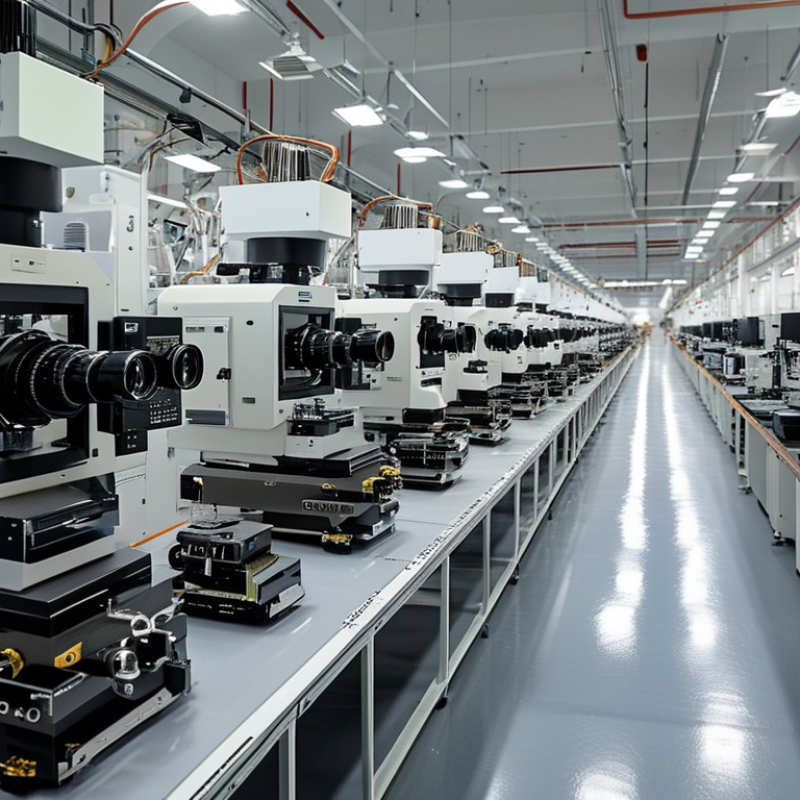
China has emerged as a major hub for Optical Equipment production. The country's advanced technology and competitive pricing attract global buyers. Many suppliers specialize in various optical devices, including cameras, lenses, and microscopes.
Choosing the right supplier can be challenging. Buyers need to assess quality and reliability before making decisions. Some manufacturers may promise exceptional quality but deliver subpar products. Thorough research and verification are essential in this market.
Optical Equipment suppliers in China vary widely in reputation. It's crucial to rely on trusted sources and expert reviews. A well-informed choice can lead to significant gains in quality and efficiency. However, the connection between price and quality remains a critical factor to consider. Buyers must navigate this landscape carefully for successful partnerships.
Overview of Optical Equipment Industry in China
The optical equipment industry in China has witnessed significant growth in recent years. Various factors contribute to this expansion. Innovations in technology and rising demand for high-quality imaging systems are key drivers. Chinese manufacturers focus on research and development, enhancing their product offerings. This rapid evolution showcases a commitment to meeting global standards.
However, challenges persist. The industry faces intense competition, both domestically and internationally. Chinese suppliers must navigate complex supply chains. This complexity can lead to delays and inconsistencies. Buyers often seek reliability, but variations in quality are common. Some manufacturers may prioritize quantity over quality, prompting concerns among global buyers.
Despite these issues, the outlook remains promising. Companies in China are increasingly aware of the need for quality assurance. They invest in better production practices and certifications. Many offer comprehensive after-sales support, boosting their credibility. The blend of innovation and experience positions Chinese suppliers as competitive players in the global optical market. Buyers should remain vigilant, yet optimistic about finding reliable partners within this evolving landscape.
Key Factors Driving Demand for Optical Equipment Globally
The demand for optical equipment is on the rise globally. Several key factors contribute to this trend. The growing adoption of advanced imaging technologies in healthcare significantly boosts the market. According to a report by Market Research Future, the optical imaging market is anticipated to reach USD 45 billion by 2025. This growth reflects the increasing reliance on high-resolution imaging in diagnostics.
Emerging industries, such as augmented reality and virtual reality, are fueling the need for precision optical components. These technologies require high-performance optics for applications like gaming, training simulations, and design. The global augmented reality market alone is projected to grow to USD 198 billion by 2025, as per Grand View Research. This indicates a healthy appetite for innovative optical solutions.
Moreover, the telecommunications sector is also a major driver. As fiber-optic technology expands, demand for specialized equipment continues to rise. This development highlights the need for reliable suppliers who can meet the growing specifications. Despite the ongoing advancements, disparities in quality standards remain. Organizations must actively seek partners that demonstrate expertise and credibility in optical technologies.
Global Demand for Optical Equipment by Region (2023)
Top Manufacturers of Optical Equipment in China
China has become a key player in the optical equipment sector. Many manufacturers offer a wide range of products. This includes cameras, telescopes, and microscopes. These companies focus on advanced technology and innovation. They aim to meet the diverse needs of global buyers. The growth of this industry reflects China’s manufacturing strength.
When selecting a supplier, consider their experience. Look for companies with a proven track record. Check their client reviews and industry certifications. This information can indicate reliability. Additionally, visiting manufacturing facilities can provide valuable insights into their processes.
Not all manufacturers maintain equal standards. Some may prioritize cost over quality. It is essential to evaluate the materials and technology used. A lower price may lead to compromised performance. Conducting thorough research can save you time and money. Engaging with multiple suppliers can also give you a broader perspective. This helps avoid potential pitfalls and ensures you make informed decisions.
Comparative Analysis of Leading Suppliers and Their Offerings
China's optical equipment sector has shown impressive growth. According to a recent report from a leading market research firm, the optical manufacturing industry in China is expected to reach $50 billion by 2025. Major suppliers are enhancing their technology offerings to meet international standards. However, variability exists in product quality and reliability among suppliers.
Many companies focus on low-cost production, which can lead to compromised quality. They prioritize volume over innovation, risking long-term market sustainability. Transparency in sourcing materials is another area that poses challenges, impacting buyers’ willingness to engage.
Not all suppliers adhere to international best practices. This inconsistency can affect product performance and customer satisfaction. Buyers must conduct thorough due diligence. Seeking suppliers with proven track records in quality assurance is essential. Data indicates that 30% of potential partners may fail to meet basic compliance standards. Hence, understanding the landscape becomes crucial for global buyers aiming for success.
Future Trends in Optical Equipment Supply Chain in China
The optical equipment supply chain in China is evolving rapidly. Manufacturers are adopting advanced technologies to enhance production efficiency. Automation plays a vital role in this transformation. Smart factories equipped with robotics are becoming common. These innovations improve precision and reduce costs. Additionally, there is a growing emphasis on sustainability. Eco-friendly practices are increasingly integrated into the manufacturing processes.
Collaboration among suppliers is crucial in this landscape. Strong partnerships can lead to shared resources and faster innovation. However, some manufacturers still struggle with outdated practices. Relying on traditional methods can limit growth and competitiveness. Moreover, as global demand fluctuates, adaptability becomes key. Companies must respond to changing market needs with agility. Supply chain disruptions challenge many businesses, requiring them to reassess their strategies.
In the coming years, it is essential for businesses in this sector to stay informed. Keeping up with technological advancements and market trends will be critical. Establishing strong communication channels with global buyers is necessary. This openness can foster trust and long-term relationships. As the industry matures, flexibility and innovation will define success in China's optical equipment supply chain.
Top Optical Equipment Suppliers in China for Global Buyers
| Category |
Annual Revenue (USD) |
Market Share (%) |
Number of Employees |
Export Regions |
| Optical Lenses |
500 million |
25 |
2000 |
North America, Europe, Asia |
| Optical Instruments |
650 million |
30 |
3000 |
Europe, Asia, Latin America |
| Fiber Optics |
700 million |
20 |
2500 |
North America, Middle East, Asia |
| Optical Coatings |
300 million |
15 |
1000 |
Global |