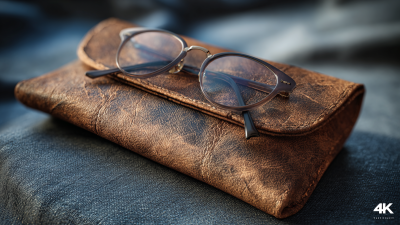
Why Are Glasses Chains So Popular? The answer rests on a small daily problem: glasses slip, get misplaced, or need somewhere safe while their wearer reads a menu. A Glasses Chain keeps frames close, resting against a shirt instead of disappearing into a bag. It can also turn a practical accessory into a visible style choice.
The market context is substantial, though it does not measure chains alone. Grand View Research estimated the global eyewear market at about $169.9 billion in 2023, reflecting demand across frames, lenses, and related products. That figure should not be mistaken for chain sales. It does show how eyewear sits within a large, evolving consumer category. The Vision Council’s industry research also tracks eyewear use and purchasing behavior in the United States, offering useful context for changing consumer habits.
Optical historian Neil Handley has studied eyewear’s role beyond vision correction. A cautious paraphrase of that perspective is: “Eyewear is functional, but it also communicates personal style.” That distinction helps explain the chain’s appeal. A slim gold link can look polished at dinner; a soft cord feels at home on a sunny walk. Some chains are practical. Others are chosen to be noticed. The trend is not universal, of course, and a chain that feels secure to one wearer may irritate another. Still, its mix of convenience and self-expression makes the Glasses Chain more than a backup strap. It gives a familiar object a little more presence.

A glasses chain is a lightweight cord or chain that attaches to the arms of a pair of glasses. Small silicone loops or adjustable end pieces hold it in place, usually just behind the hinges. When the glasses come off, they rest against the wearer’s chest instead of disappearing into a bag or sliding off a table. That’s the idea.
Chains come in materials such as woven fabric, metal, and smooth plastic beads. Their weight and texture can change how they feel around the neck, so comfort matters as much as appearance. On a busy day, a chain can make it easier to switch between reading and looking across a room. It can also add a visible detail to a simple outfit, though it may not suit every setting.
There is a trade-off: a loose chain can catch on hair or clothing. Fit matters. Check that the loops grip the glasses securely, and remove the chain if it feels uncomfortable. Some styles can feel heavier than expected.
Glasses chains usually attach at the ends of the temples, the arms that rest over your ears. Many have small silicone or rubber loops that slide over each temple tip. Move the loop toward the hinge, then adjust it so it sits securely without squeezing the frame. Not too tight. If the chain has adjustable sliders, use them to keep both loops even. A crooked fit can pull one side of the glasses more than the other.
Some chains use metal rings or small hooks instead of loops. These fasten around the temple ends, but check that their edges cannot scratch the frame. Take your glasses off before attaching the chain; it is easier to see where each connector sits. Give the chain a gentle tug while holding the frame, not the lenses. It should stay in place without bending the arms. This check takes a moment. It is easy to skip when you are in a hurry.
Compatibility matters. Thick temple tips may not fit standard loops, while very delicate frames may feel strained by a heavy chain. If the connector slides, loosens, or leaves marks, stop and reassess the fit rather than pulling it tighter. A secure attachment should feel steady, not restrictive.
Glasses chains have changed from simple safeguards into visible accessories. Early cords and chains served a practical purpose: keeping spectacles close when people removed them to read, work, or speak. A small loop around each temple could prevent a pair from slipping onto a hard floor. The designs were often plain, because reliability mattered more than decoration.
Over time, materials and styles widened. Metal links, woven fibers, beads, and lightweight cords offered different looks and feels. Some designs became delicate details beside the face; others used bold colors that stood out against a shirt or coat. Not every change was purely fashionable. Lighter materials could feel more comfortable during a long day, while adjustable ends made chains easier to fit to different frames. Small details matter.
Today, glasses chains appear in both practical and expressive settings, from busy workdays to relaxed weekends. They can reduce the chance of misplacing glasses, though they cannot replace a secure case or careful handling. The timeline is not perfectly neat: usefulness and style have always overlapped. I also think some modern designs are more decorative than convenient, and that trade-off is worth noticing. A chain that catches on a scarf may look elegant, but it can become annoying quickly.
Glasses chains are popular because they solve a small, familiar problem: misplaced glasses. A chain keeps frames close when someone steps outside, checks a phone, or switches to reading a menu. It also leaves both hands free. A light chain resting against a shirt can be easier than repeatedly searching a bag or pocket.
Style matters, too. Chains now come in slim metal links, soft cords, and colorful beads, so they can read as jewelry rather than medical equipment. That shift fits a large market: Grand View Research estimated the global eyewear market at USD 183.36 billion in 2023. This figure covers eyewear, not chains specifically, but it reflects the scale of interest in products worn on the face and chosen for both function and appearance. Small accessory, visible effect.
Convenience may be especially appealing to people who move between distance and reading glasses, or who take frames off often at work. A chain can reduce drops and scratched lenses, though it will not suit every frame or activity. Some designs feel heavy; others catch on hair or collars. That trade-off is real. Popularity seems to come from the mix: practical access, personal style, and an easy way to keep glasses within reach.
| Factor | What the Chain Provides | Why It Can Appeal to Wearers | Typical Use or Context |
|---|---|---|---|
| Convenience | Keeps glasses within reach when they are not being worn. | Wearers can move their glasses aside without needing to find a pocket, case, or nearby surface. | Reading, work, and situations where glasses are taken on and off frequently. |
| Reduced risk of misplacing glasses | Creates a visible, wearable place to rest glasses around the neck. | Can make glasses easier to locate than when they are left on a table or placed in an unfamiliar spot. | Busy routines, travel, and shared workspaces. |
| Personal style | Adds a visible accessory that can complement clothing and eyewear. | Chains come in varied materials, colors, shapes, and levels of decoration, allowing different looks. | Everyday outfits, social occasions, and coordinated accessories. |
| Hands-free practicality | Allows glasses to hang from the wearer when temporarily removed. | Leaves hands available for tasks while keeping eyewear close at hand. | Cooking, crafting, shopping, and other tasks involving frequent changes in focus. |
| Useful for frequent transitions | Makes it easier to alternate between wearing glasses and going without them. | This is convenient for people who switch between prescription glasses, sunglasses, or different activities. | Moving between indoor and outdoor settings or switching eyewear during the day. |
| Wide range of designs | Offers options such as lightweight cords, metal links, beads, and simple woven styles. | A broad choice of appearance and materials makes the accessory adaptable to personal preferences. | Casual wear, professional settings, and occasions where a more decorative accessory is preferred. |
| Simple attachment | Most designs attach to the ends of glasses' arms using loops, sleeves, or connectors. | Many styles can be added or removed without changing the glasses themselves; fit depends on the frame and attachment type. | People looking for a removable accessory for compatible frames. |
Glasses chains come in styles that range from barely noticeable to decorative. Fine metal links give a neat, understated look, while chunky chains or colorful beads can make the frames feel more like jewelry. Soft cords offer a casual option for everyday wear, especially when glasses are taken on and off often. Some designs use small charms or mixed materials. They can be fun, though they may compete with patterned clothing.
Common materials include stainless steel, lightweight alloys, beads, woven fabric, and silicone connectors. Metal chains tend to hold their shape, but heavier links can tug on delicate frames. Fabric cords feel soft against the neck, yet may absorb sweat or makeup. Silicone loops grip the glasses’ arms; check that they fit snugly without stretching or slipping. A secure connection matters more than a shiny finish.
For a practical choice, consider the frames’ weight, the connector size, and how the chain feels after an hour of wear. Smooth links are less likely to catch in hair, while larger beads can be easier to find in a bag. Still, not every pairing works. I think a bright chain can look slightly busy with bold frames, but personal taste counts. Check clasps and connectors now and then for looseness.
Glasses chains help keep eyewear close at hand and can also add a personal style touch. Common options include lightweight plastics, decorative glass beads, and metal links.
Approximate material density in grams per cubic centimetre. Actual chain weight depends on the design, dimensions, and any coatings or mixed materials.