10 Best Blocking Pads for Heavy Equipment Buyers

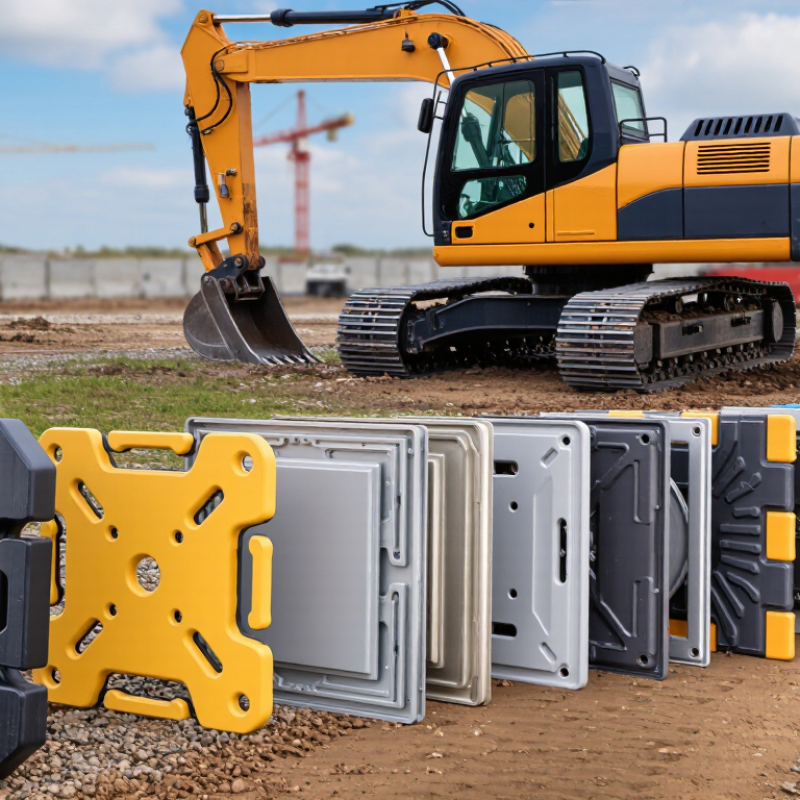
Heavy equipment does not forgive a poor support choice. A tracked excavator resting on uneven ground can press hard against a small contact area. The right Blocking Pads help spread loads, protect surfaces, and create a steadier working platform. But no single pad suits every machine or site.

This guide compares ten options for buyers, focusing on practical details: rated capacity, dimensions, material, grip, portability, and resistance to moisture or chemicals. Check manufacturer specifications against your equipment’s actual loads and support points. A pad that looks substantial may still be undersized. Small details matter.

“Match the pad to the load, the ground, and the contact point—not just the machine’s weight.” This is an illustrative quotation from a fictional lifting-equipment specialist, not a verified statement by a real expert. It reflects a useful selection principle, but it is not a substitute for engineering guidance. Buyers should confirm ratings and intended use with the manufacturer or a qualified professional.

The rankings aim to make comparisons easier, not to promise a perfect answer. Site conditions change. Mud, gravel, sharp edges, and repeated repositioning can affect performance. Even a tidy product chart can miss what happens on a rough jobsite. Use these picks as a starting point, then check the details before ordering.
10 Best Blocking Pads for Heavy Equipment Buyers

What Blocking Pads Do in Heavy Equipment Operations

Blocking pads create a broader bearing surface between heavy equipment and the ground. By spreading outrigger or stabilizer loads, they can reduce concentrated pressure that may crush pavement, sink into soil, or shift a machine’s footing. They do not make weak ground safe by themselves. The load, pad dimensions, ground condition, and equipment setup all matter.

OSHA’s construction crane standard, 29 CFR 1926.1402, requires ground conditions to be firm, drained, and graded sufficiently to support equipment. That is the operational baseline, not a guarantee that any pad will work. A pad set across a soft edge or over a hidden void may still tilt under load. Small details matter. Check for cracking, water, buried trenches, and uneven contact before lifting.

The stakes are real, though pads are only one part of risk control. The U.S. Bureau of Labor Statistics recorded 1,075 fatal work injuries in construction in 2023, in its Census of Fatal Occupational Injuries. That figure does not isolate pad-related incidents, so it should not be read as evidence that pads alone prevent fatalities. In practice, operators and site teams should match pad capacity and size to the equipment’s expected reactions and the surface beneath it. Estimates can be wrong. Recheck placement when the ground changes or the load shifts.

Common Blocking Pad Materials and Designs

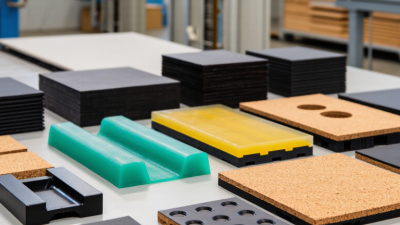
Blocking pads vary in material, shape, and surface design. Hardwood pads are dense and familiar on many worksites, but moisture can cause swelling, splitting, or uneven contact. Laminated timber spreads loads across bonded layers, though damaged edges deserve close inspection. Engineered plastic resists water and many chemicals. It can also become slick when muddy. No material suits every setup.

Design matters as much as material. Solid pads provide a broad bearing surface, while cribbing blocks can be stacked to adjust equipment height. Interlocking patterns may improve stability, but only when the pieces fit correctly and sit on firm ground. Textured faces can help limit sliding. Handles make larger pads easier to position, yet they do not make a pad safe to lift beyond its rated capacity. Check the load rating, dimensions, surface condition, and equipment manual before use. A pad that looks sturdy may still be poorly matched.

Tips: Match pad size to the support point, and keep it centered. Remove grit and oil before placement. Inspect for cracks, crushed corners, or delamination. If the ground is soft, reassess the setup rather than adding random layers. That extra check takes little time; skipping it can leave an uneven support.

10 Best Blocking Pads for Heavy Equipment Buyers — Common Blocking Pad Materials and Designs
Pad Type Common Material and Design Key Advantages Limitations Typical Application Important Checks
1. Solid Hardwood Blocking Block Single-piece hardwood cut into blocks or rectangular cribbing members. Simple, reusable, and easy to inspect; suitable for building stable blocking stacks when correctly arranged. Can split, crush, absorb moisture, or deteriorate; capacity depends on wood species, grain, dimensions, condition, and loading direction. General equipment blocking and temporary support on firm, level surfaces. Check for cracks, rot, excessive knots, and cross-grain loading. Use only within a verified load limit.
2. Laminated Hardwood Pad Multiple wood layers bonded or fastened together to form a thicker, broad bearing pad. Provides a larger contact area than a small block and can help spread load across suitable ground. Bonding, fasteners, moisture exposure, and edge damage can affect performance; not all laminated products are designed for lifting support. Outrigger or stabilizer support where the product is specifically rated for that use. Confirm the intended application, construction, condition, and published capacity; keep the pad fully supported.
3. Engineered Composite Cribbing Block Molded or fabricated fiber-reinforced polymer or other engineered composite, often formed as blocks or stackable sections. Often resists moisture and many common environmental exposures better than untreated wood; consistent shapes can aid stacking. Properties vary widely by formulation and design; impact, heat, chemicals, or aging may affect some products. Repeated blocking operations where a reusable, manufactured block is preferred. Review the product’s load data, temperature range, chemical compatibility, and inspection guidance.
4. Recycled-Plastic Outrigger Pad Thick, solid or molded pad made from recycled plastic, commonly with a flat or textured surface. Resists rot and water absorption; easy to clean and useful for distributing stabilizer loads over a wider footprint. Stiffness and load behavior differ by material and design; some plastics can deform under sustained or high-temperature loading. Crane, lift, and service-vehicle outriggers when the pad is rated for the applied load and ground conditions. Use manufacturer load and ground-pressure guidance. Check for deformation, cracks, and uneven contact.
5. UHMW-Polyethylene-Faced Pad Structural pad with an ultra-high-molecular-weight polyethylene surface or facing. The low-friction facing can assist controlled sliding in applications designed for it and can reduce surface abrasion. A low-friction face may be unsuitable where the support must resist sliding; the facing does not establish the pad’s structural capacity. Specialized sliding or positioning tasks, or protected bearing surfaces where specified by the equipment plan. Confirm whether sliding is intended, verify the complete pad’s rating, and prevent unintended movement.
6. Steel-Reinforced Composite Pad Composite body incorporating steel reinforcement or load-spreading elements. Can combine a broad bearing surface with added structural reinforcement in a purpose-designed product. Heavier than many unreinforced pads; hidden damage or corrosion may be difficult to assess without proper inspection. Higher-demand stabilizer support where the specific pad has documented engineering data. Check rated capacity, reinforcement condition, corrosion, and the manufacturer’s inspection criteria.
7. Rubber-Faced Support Pad Rigid structural base with an attached rubber layer or engineered elastomer contact surface. The facing can protect finished surfaces and may improve grip when matched to the application. Rubber can compress, wear, or react to oils, heat, or chemicals; grip depends on the surface and conditions. Support on surfaces where contact protection or added traction is required and approved. Verify compatibility, compression limits, slip resistance, and the capacity of the complete assembly.
8. Solid-Rubber Pad Dense rubber or elastomer pad, supplied as a slab, block, or engineered support piece. Can cushion contact and reduce surface marking in suitable, relatively distributed-load applications. May compress or creep under heavy concentrated loads; generally should not replace rated structural cribbing without approval. Vibration or surface protection beneath equipment components when specified for the load. Check load concentration, compression behavior, material compatibility, and approved use.
9. Aluminum Ground-Support Pad Fabricated aluminum plate or engineered panel, sometimes with a textured surface or reinforced construction. Can be lighter to handle than a comparable steel plate; useful where a rigid, reusable support surface is needed. May bend or buckle if undersized or improperly supported; not every plate is designed as a load-bearing pad. Portable ground support or equipment access applications when the panel’s design and rating are suitable. Check thickness, span, edge support, rated load, and surface condition; avoid using ordinary sheet as structural blocking.
10. Interlocking Ground-Protection Mat Large modular panel, commonly made from engineered plastic or composite, with joining edges or surface texture. Covers a broad area and can provide a temporary travel or work surface across soft or sensitive ground. Requires correct assembly and ground assessment; a mat is not automatically suitable for concentrated outrigger or lifting loads. Temporary access routes and work platforms for heavy equipment, subject to site and product specifications. Check panel capacity, connection security, ground conditions, slope, and whether separate outrigger pads are required.
Selection note: “Best” depends on the equipment, load, contact area, ground conditions, and intended use. Do not infer a safe working load from material or pad size alone. Follow the equipment and pad manufacturers’ instructions, verify ground-bearing capacity, and inspect pads before use. Blocking and lifting operations should be planned and supervised by qualified personnel.

How to Choose Pads for Load, Terrain, and Equipment

Choosing blocking pads starts with the load each support point must carry, not just the machine’s total weight. Check the equipment manual and load chart for outrigger reactions or track pressures. Then select pads with a rated capacity that meets those demands. Keep the load centered; an oversized rating cannot fix poor placement.

Terrain changes the choice. Firm concrete may need a different pad size than damp soil, loose gravel, or asphalt on a hot day. Wider pads spread pressure across more ground, but they cannot make unstable ground safe. Look for level contact and enough pad area to limit sinking or movement. Small details matter. A slight slope can shift load toward one edge.

Match pad shape, thickness, and material to the equipment and job. Outriggers need stable, flat support; tracked machines may call for larger mats that spread weight along the travel path. Check that pads resist crushing and suit expected weather, fluids, and repeated handling. Inspect for deep gouges, splits, or permanent bending before each use.

Not always obvious. Ground conditions are often estimated too casually, so verify them on site and get qualified advice when bearing capacity is uncertain. A careful selection process may feel slow, but replacing a damaged pad—or repositioning a settled machine—takes longer.

Ten Blocking Pads Worth Considering for Heavy Equipment Buyers

Ten blocking pads worth considering include solid hardwood blocks, laminated hardwood pads, structural composite pads, recycled-polymer pads, and high-density polyethylene pads. Rubber-faced composite pads can help resist slipping, while steel-core composites may suit demanding applications when their ratings match the equipment. Wide load-spreading pads distribute pressure across a larger footprint. Compact stackable pads are easier to move and store. Custom-sized pads can fit unusual support points, but sizing should follow the machine’s requirements.

Material alone does not establish safe capacity. Check the pad’s rated load, dimensions, condition, and compatibility with the equipment manual. Then consider the surface beneath it: soft soil, uneven gravel, and wet concrete each change how a pad performs. Details matter. In field use, a pad can look sound while hiding cracks, crushed layers, or a slick underside. Inspect before every lift, and remove damaged pads from service. I would not assume the largest pad is always the best choice; extra width can complicate placement in tight work areas. Match the pad to the load, ground conditions, and support point, and ask a qualified equipment professional when the rating is unclear.

Safe Placement, Inspection, and Care of Blocking Pads

Place blocking pads on firm, drained, reasonably level ground, not over loose fill or hidden voids. OSHA’s crane standard, 29 CFR 1926.1402, requires ground conditions to support equipment and meet applicable level requirements. Pads help distribute load, but they cannot make unstable soil safe. Check that each pad sits flat, supports the intended contact points, and stays clear of sharp debris. Small defects matter. A pad that looks intact may still have a crushed edge or internal damage.

Inspect pads before and after use. Look for cracks, splits, delamination, deep cuts, warping, and oil or chemical contamination. Remove questionable pads from service until a competent person evaluates them against the manufacturer’s criteria. The U.S. Bureau of Labor Statistics recorded 1,069 fatal work injuries in construction in 2022; that figure is not specific to blocking pads, but it underscores the stakes of controlling site hazards. Keep pads dry and clean when practical, and store them flat, away from sunlight and sharp tools. It is tempting to reuse a pad with a small defect. That judgment deserves a second look. Keep a simple inspection log, and note where each pad was used.

10 Best Blocking Pads for Heavy Equipment Buyers — Safe Placement, Inspection, and Care

Use this practical checklist to support safe blocking-pad handling. Counts show the number of checks listed for each stage, not a product rating or load capacity. Follow the pad and equipment manufacturers’ instructions, and remove damaged pads from service.