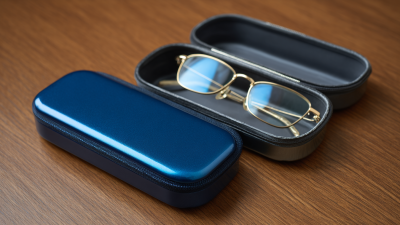
How to Choose the Right Microfiber Pouch?

Choosing the right Microfiber Pouch involves more than comparing colors, sizes, or low prices. The fabric must protect the product, support daily handling, and match the brand’s environmental expectations. A pouch that feels soft may still shed fibers, trap moisture, or develop weak seams. Softness is not proof of quality.

Grand View Research reports that the global microfiber market was valued at approximately USD 1.3 billion in 2022. Its analysis also projects continued growth through 2030, driven by demand for durable and reusable textile products. This trend gives microfiber pouches commercial value, but it also raises material questions. Buyers should examine fiber density, fabric weight, surface finish, stitching, and closure performance. These details become visible when a pouch holds a pair of glasses, jewelry, or a small electronic accessory. The corners should remain flat. The drawstring should move smoothly. The lining should not leave dust on polished surfaces.

Sustainability requires careful judgment. The Textile Exchange Materials Market Report identifies polyester as a dominant synthetic fiber, while also emphasizing the need for better recycled-material tracking and production transparency. A recycled claim should therefore include evidence, not only attractive wording. Ask for fiber composition, recycled content documentation, colorfastness results, and packaging information. Supplier audits can strengthen reliability.

Small choices matter. A loose fit may look elegant but allow movement and scratches. An overly tight pouch may strain the seams. This guide will compare practical specifications, supplier evidence, and use conditions. It will not pretend that one pouch suits every product. In real purchasing decisions, durability, appearance, cost, and sustainability can conflict. Recognizing that tension leads to a more honest choice.
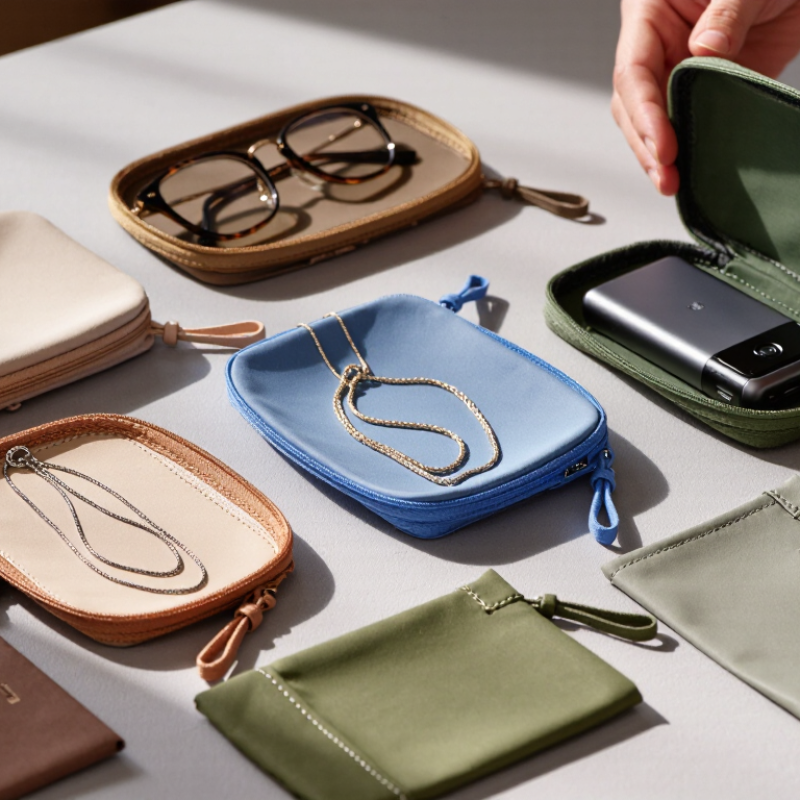
How to Choose the Right Microfiber Pouch?

Define the Purpose and Items for Your Microfiber Pouch

How to Choose the Right Microfiber Pouch?

Define the Purpose and Items for Your Microfiber Pouch

The right pouch begins with a clear purpose. Protecting eyeglasses requires a soft, lint-free interior and a secure closure. Storing jewelry calls for separate space or a smooth lining. Small electronic accessories need more structure and mild cushioning. A pouch for daily travel should also resist dust, moisture, and repeated handling.

Measure each item before selecting the pouch. Leave enough room for easy removal, but avoid excessive space. Loose contents can rub together during movement. I often place the actual items on a table and measure their combined width, height, and thickness. This simple check prevents a pouch from looking suitable online but failing in use. It is easy to overlook thickness.

Consider the microfiber itself. A dense, even weave usually feels smoother and offers better surface protection. Check the seams, drawstring, snap, or zipper for rough edges. They may scratch delicate surfaces over time. For frequently handled items, choose washable material and follow its care instructions. Test the pouch with a nonvaluable object first. That small trial can reveal dye transfer, tight openings, or weak stitching. My own choice is not always perfect; a lighter pouch may be convenient, yet it can provide less protection. Reviewing the item, environment, and handling habits leads to a more reliable fit.

Choose the Right Microfiber Material and Fabric Quality

How to Choose the Right Microfiber Pouch?

Choose the Right Microfiber Material and Fabric Quality

A reliable microfiber pouch begins with its fiber blend, not its color or printed design. Polyester provides strength, while polyamide improves softness and cleaning performance. For delicate glasses, jewelry, or polished accessories, a higher polyamide content usually feels smoother. Yet softness alone can mislead. Rub the fabric between your fingers and inspect the surface under bright light. Dense, even fibers should feel smooth, without loose threads or thin patches.

Fabric weight also matters. A very light pouch may fold easily, but it can offer little protection against dust and rubbing. A heavier fabric often feels more dependable, especially during travel. Check the seams carefully. Straight stitching, reinforced corners, and a secure drawstring reduce early failure. In practical testing, place a small object inside, pull the closure repeatedly, and look for stretching. I once trusted a soft sample that felt excellent, but its edges frayed quickly. That mistake changed how I judge quality.

Tips: Compare several samples, not one. Wipe a clean glass surface with the fabric and check for lint or streaks. Avoid strong chemical finishes or sharp odors. Ask for fabric specifications and washing guidance. If the supplier cannot explain fiber content or testing, pause before ordering. Sometimes the cheaper pouch is the expensive choice.

Match Pouch Size, Shape, and Closure to Your Needs

How to Choose the Right Microfiber Pouch?

Match Pouch Size, Shape, and Closure to Your Needs

A microfiber pouch should fit its contents without squeezing them. Measure the item’s length, width, and thickness before choosing a size. Add a little room for easy removal. A tight pouch can create pressure and unwanted surface contact. An oversized pouch allows items to slide around. That movement may cause scratches over time. I once selected a pouch that looked neat but was too narrow for a pair of glasses. The result was frustrating. Size matters more than appearance.

Shape should follow the object. Flat pouches suit cards, screens, and slim accessories. Deeper designs work better for compact cameras, watches, or small tools. Rounded items need flexible fabric and enough depth. Check the corners carefully. Sharp internal seams can damage delicate surfaces. A simple rectangular pouch is not always the best answer.

Closure choice depends on access and security. Drawstrings open quickly and adapt to different contents. Zippers provide a firmer closure, but rough teeth may catch fabric or touch the item. Snaps are convenient, though they can add pressure near the opening. For frequent use, test the pouch with one hand. If opening it feels awkward, the design may not suit your routine. No sizing rule works perfectly. Recheck the fit after adding any protective sleeve or accessory.

Evaluate Protection, Cleaning, and Storage Features

How to Choose the Right Microfiber Pouch?

A good microfiber pouch should protect the item before it reaches your pocket or drawer. Check the fabric closely. Dense microfiber helps reduce light scratches, dust, and fingerprints during daily handling. Soft inner surfaces matter most for polished metal, coated lenses, and small electronic accessories. Inspect the seams and drawstring. Rough stitching can create pressure points or catch on delicate surfaces. I once selected a pouch that felt soft but had a weak closure. It opened inside my bag. That small mistake changed how I judge storage quality.

Cleaning performance also deserves careful attention. Choose lint-free microfiber with a smooth, consistent weave. Uneven fibers may leave particles behind. A washable pouch is practical, but read its care instructions first. Strong detergents or high heat can reduce softness. Test the pouch on a clean surface before storing anything valuable. It should not release color, dust, or loose threads. Protection is not only about softness.

Tips: Match the pouch size closely. Extra space allows items to move and rub. Leave damp objects outside until they dry completely. Moisture trapped inside may cause odor or surface damage. Avoid overfilling the pouch. A simple design can work better than unnecessary padding. Still, I would reconsider any pouch that feels too thin for regular travel. Quality claims are useful, but hands-on inspection remains more reliable.

How to Choose the Right Microfiber Pouch?

Compare pouch designs by protection, cleaning convenience, and storage usability. Scores use a practical 1–5 evaluation scale based on cushioning, washable construction, closure security, and capacity.

A padded zippered pouch provides the strongest overall protection, while a lightweight drawstring pouch is easier to clean and store. Choose the design that best matches the sensitivity and size of the items being carried.

Compare Durability, Customization, and Overall Value

Choosing the right microfiber pouch starts with its daily workload. A pouch carrying sunglasses needs different protection from one holding metal tools. Check fabric density, seam strength, lining, and closure quality. I press stitched corners between my fingers and inspect loose threads under bright light. Dense microfiber feels smoother, but softness alone proves little. Ask for abrasion and colorfastness test results. A practical trial helps: place the intended item inside, shake it, and open the pouch repeatedly. Some attractive samples lose shape after a week. That detail is easy to miss.

Customization should improve use, not merely add decoration. A clean printed logo needs suitable ink and controlled heat. Otherwise, the image may crack where the pouch folds. Request a physical sample before approving production. Check logo size, edge clarity, color matching, and zipper movement. Embroidery can look premium, yet heavy stitching may scratch delicate surfaces. Small changes matter. A wider opening can save time during packing. A darker interior can hide dust, although it may make small items harder to see.

Overall value includes unit price, sampling, packaging, delivery reliability, and usable life. A cheaper pouch becomes expensive when seams fail or replacements arrive late. Compare quotes using identical dimensions, fabric weight, closures, and print coverage. Ask how quality is checked during production, not only in the sample room. I once focused too heavily on appearance and underestimated packing labor. That was a useful mistake. The best choice may not be the thickest or most customized pouch, but one that protects products consistently without creating extra handling work.