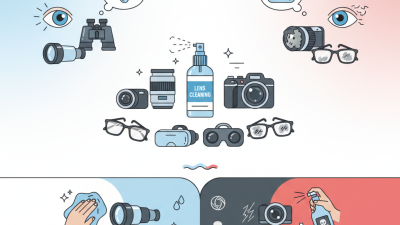
Top 10 Lens Cleaners How to Choose the Best for You?
In today's world, maintaining clean lenses is essential for optimal vision. Lens cleaners play a crucial role in this process. According to a recent industry report by Grand View Research, the global lens cleaner market is projected to grow significantly, reaching over $2 billion by 2025. This growth highlights the increasing demand for effective eyewear maintenance products.
When selecting a lens cleaner, it’s important to consider various factors. Not all cleaners are suitable for every lens type. Some may leave streaks or damage coatings. A survey by the Consumer Reports indicated that 70% of users face dissatisfaction due to improper cleaner usage. This indicates a need for proper education on selection.
Quality lens cleaners enhance clarity and prolong the life of your glasses. They should be free of harmful chemicals. Yet, consumers occasionally overlook these ingredients, leading to regrets. Understanding the right cleaner can prevent damage and preserve quality. Hence, making informed choices is vital for lens care.

Understanding Different Types of Lens Cleaners Available on the Market
Choosing the right lens cleaner can significantly enhance your viewing experience. Numerous types of lens cleaners are available, each serving a specific purpose. Liquid cleaners are popular for their effectiveness in removing smudges and fingerprints. These solutions often come with a spray applicator that allows for precise dispensing. A soft microfiber cloth is typically included to ensure a streak-free finish.
For a more on-the-go option, pre-moistened wipes offer convenience. They are easy to carry and use, making them ideal for those who need quick touch-ups. However, not all wipes are created equal. Some may contain harsh chemicals that could damage lens coatings if used frequently.
Dry cleaning solutions, such as brushes or cloths, are another option. These can be effective for removing dust and debris without moisture. Yet, it's essential to ensure these materials are gentle enough to avoid scratching delicate surfaces. Reflecting on your specific needs will guide you in selecting the appropriate cleaner, keeping lens longevity in mind.
Factors to Consider When Choosing a Lens Cleaner for Your Needs
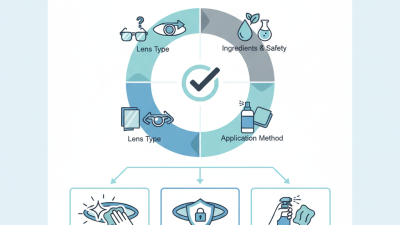
Choosing the right lens cleaner may seem simple, but there are several factors to consider. Different materials require specific cleaners. Glass lenses often tolerate more robust solutions, while plastic lenses need gentler options. Avoid harsh chemicals that might scratch or damage your lenses. Always read the labels carefully.
Portability is another key factor. If you travel often, a compact spray or pre-moistened wipes can be handy. Look for options that are easy to carry and won’t leak. The application method also matters. Some cleaners come in spray bottles while others are wipes. Each has its pros and cons.
Consider your sensitivity to scents or chemicals. Some cleaners have strong fragrances that can be off-putting. This could lead to potential discomfort during use. Think about your lifestyle and any specific needs you might have. A little research can make a big difference. Finding the balance between effectiveness and safety is crucial.
Top 10 Lens Cleaners - How to Choose the Best for You?
| Lens Cleaner Type |
Cleaning Method |
Size |
Special Features |
Price Range |
| Spray |
Spray & Wipe |
250 ml |
Anti-fogging |
$5 - $15 |
| Wipes |
Single Use |
20 wipes |
Scratch-free |
$3 - $10 |
| Microfiber Cloth |
Wipe |
30 x 30 cm |
Reusable |
$2 - $8 |
| Foam Cleaner |
Apply & Wipe |
200 ml |
Streak-free |
$6 - $12 |
| Lens Pen |
Brush & Microfiber |
Compact |
Portable |
$10 - $20 |
| Gel Cleaner |
Apply & Wipe |
150 ml |
Non-drip |
$7 - $14 |
| UV Sanitizer |
UV Light |
Standard |
Disinfecting |
$25 - $50 |
| Lens Cleaning Station |
Wipe & Spray |
Corporate use |
All-in-one |
$30 - $70 |
| Portable Cleaner |
Spray |
100 ml |
Travel-size |
$5 - $15 |
| Multi-Surface Cleaner |
Spray |
300 ml |
Versatile |
$8 - $18 |
Step-by-Step Guide to Properly Clean Your Lenses
Cleaning your lenses is essential for clear vision and a better experience. Using the right technique is key. Start by gathering your supplies: a microfiber cloth, lens cleaner, and distilled water. Never use paper towels or rough materials. They can scratch your lenses.
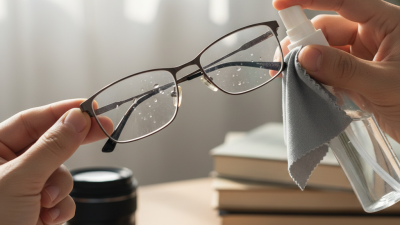
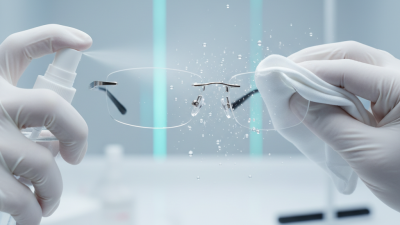
Before you begin, ensure your hands are clean. Wash them with soap and water. This prevents dirt and oils from transferring to your lenses. Spray the cleaner lightly on the lens or the cloth. Avoid applying it directly to the lens. Wipe gently in circular motions, starting from the center outward. This prevents dirt from moving around and scratching the surface.
Pay attention to hard-to-reach areas. Frames and nose pads often collect debris. Use a soft brush or a cotton swab to clear them out. Don't rush this step. Take your time to ensure everything is clean. After cleaning, examine your lenses in good light. If you notice streaks or spots, repeat the process. Remember, regular cleaning maintains lens quality. Develop a routine to keep your vision clear and vibrant.
Top Recommended Lens Cleaners: Features and Benefits
When choosing a lens cleaner, consider the features and benefits that suit your needs. A good lens cleaner should be effective, gentle on surfaces, and quick to use. Many cleaners come in spray or wipe forms. Sprays are versatile, while wipes offer convenience.
Look for anti-fog and anti-static properties. These features help maintain clarity and keep dust from settling on your lenses. Some cleaners are designed for specific types of lenses, such as glasses or camera lenses. Ensure the cleaner aligns with your lens type to avoid damaging them.
Tip: Always test a new cleaner on a small area first. This precaution prevents unexpected damage. Regular maintenance of your lenses enhances their lifespan. Store your lens cleaner in a cool place, away from direct sunlight. Avoid using rough materials for application. They can scratch the lens. A careful approach pays off in the long run.
Top 10 Lens Cleaners: Performance Comparison
How to Maintain Your Lenses After Cleaning for Longevity
Maintaining your lenses after cleaning is crucial for longevity. Proper care extends the life of your eyewear and enhances vision clarity. According to a report by the Vision Council, nearly 40% of lens wearers neglect proper cleaning habits. This oversight can lead to scratches and damage.
When cleaning, use a microfiber cloth. This material removes dust without scratching. After cleaning, store your lenses in a protective case. Ambient dust and scratches accumulate over time. A simple case can prevent these nuisances.
Regular maintenance is essential. Inspect your lenses for any scratches or smudges. Even minor imperfections can affect vision. Industry studies suggest that 70% of lens wearers replace their eyewear due to neglect. Avoid that pitfall by being proactive in care. Small efforts yield big results, ensuring your lenses remain in optimal condition.