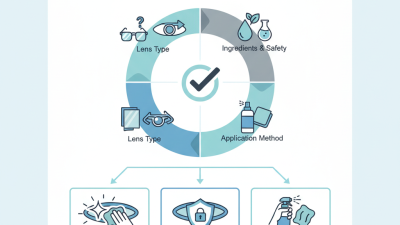
For global buyers, choosing a Lens Cleaner manufacturer involves more than comparing prices. Product performance depends on the formula, the surface being cleaned, and how the cleaner is applied. A supplier should provide clear product specifications, usage instructions, and safety information. Ask whether the cleaner is intended for coated glass, camera lenses, eyeglasses, or other optical surfaces. These details matter.
Reliable sourcing also depends on consistent quality and practical support. Buyers can ask about batch checks, sample availability, packaging options, and production lead times. A small bottle may suit retail shelves, while larger containers may fit professional cleaning operations. Check that labels and documents match the product being supplied. That matters.
This guide introduces China-based manufacturers that serve international markets and explains what buyers can assess before requesting a quotation. Compare suppliers using the same criteria, such as product range, customization, communication, and shipping arrangements. Where possible, test samples under normal working conditions rather than relying only on brochures. Still, supplier information can vary, and a polished website alone does not prove product suitability. Careful questions help reveal the difference. A good match is not always the cheapest one; it is the supplier whose documented capabilities fit your needs and whose answers remain clear when details become specific.
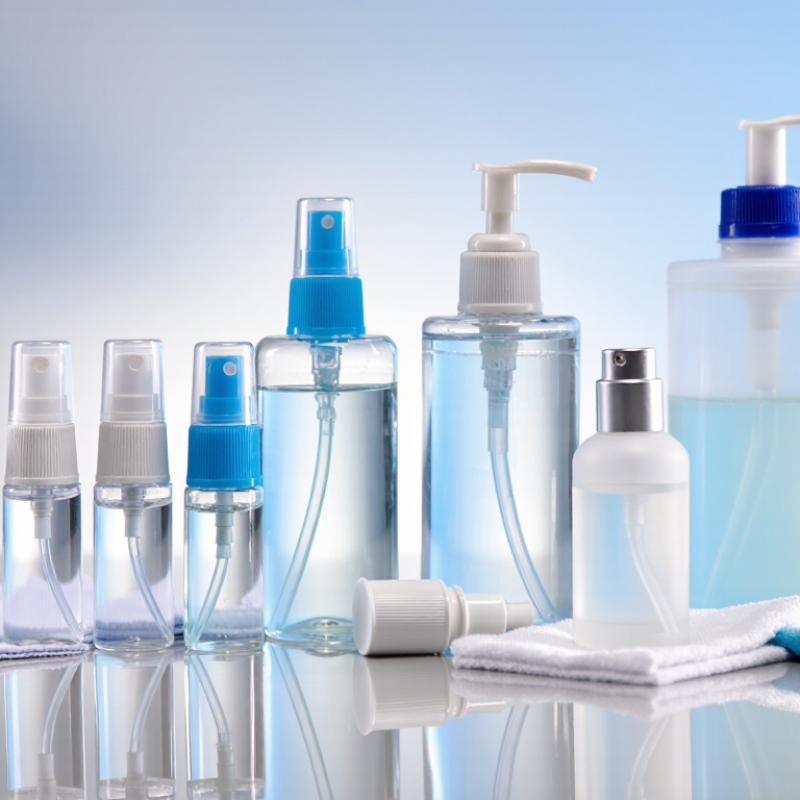
Lens cleaner is a liquid or pre-moistened wipe designed to lift skin oils, dust, and fingerprints from optical surfaces. For coated prescription lenses, the practical goal is clear vision without scratching or leaving a cloudy film. A clean microfiber cloth helps, but grit trapped in its fibers can still mark a lens. Rinse loose particles away first. Small habits matter.
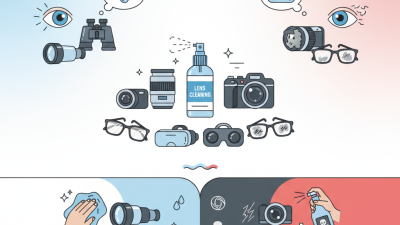
Applications extend beyond eyeglasses. Camera filters, binoculars, microscopes, and other precision optics need careful cleaning, though their coatings and manufacturer guidance can differ. A product suitable for everyday glasses may not suit every instrument. Check the label, use a soft cloth, and avoid household cleaners unless the equipment maker approves them. This distinction is easy to miss.
Demand sits within a large optical market. Grand View Research’s 2024 eyewear market report estimated global eyewear revenue at US$183.36 billion in 2023. That figure covers eyewear, not lens-cleaner sales, so it should not be treated as a cleaner-market estimate. The World Health Organization’s World Report on Vision (2019) also estimated that at least 2.2 billion people have near or distance vision impairment. These figures underline the importance of reliable optical care, but they do not prove that one cleaning formula works for every lens. Some trial and error remains.
Lens cleaners are formulated for different soils and optical materials. Water-based sprays often combine purified water with a small amount of surfactant. The surfactant helps lift fingerprints and skin oils. A soft microfiber cloth then carries residue away. Use only a light mist. Too much liquid can collect around lens edges.
Alcohol-based formulas can evaporate faster and help dissolve oily marks. Their suitability depends on the lens coating, so buyers should check material guidance before selecting a product. Some lenses need gentler care. Premoistened wipes offer measured liquid for travel and inspection stations, while dry microfiber cloths work well for loose dust after careful shaking. Not every wipe leaves a perfect finish.
For manufacturing teams, formulation details matter. Look for clear ingredient information, consistent spray output, and packaging that prevents leakage. Test cleaners on representative coated lenses, then inspect for haze, streaks, or coating changes under angled light. One test is not enough. I would also check performance after repeated use; a formula that looks clean once may leave faint residue over time. Export buyers should request current technical documents and sample batches before placing large orders.
Chinese lens cleaner production starts with water quality and controlled formulation. Manufacturers typically filter purified water, then blend surfactants and other approved ingredients in measured batches. Operators record ingredient lots, mixing time, and tank temperature. Small details matter. A sample is checked for clarity, pH, and visible particles before filling. Bottles and spray heads are inspected too; a poor nozzle can leave droplets or uneven coverage.
Testing should reflect real use on coated glass, not just liquid appearance. Technicians apply a fixed volume to lens coupons, wipe with microfiber, and inspect for haze, streaks, residue, and coating changes under consistent lighting. They may also test evaporation, packaging leaks, and stability after warm and cool storage. The ISO Survey 2023 reports more than 1.2 million ISO 9001 certificates worldwide, but certification describes a quality-management system, not cleaner performance. ISO/IEC 17025 accreditation can support reliable laboratory results. A clear bottle is not proof of consistency. One limitation remains: accelerated aging cannot perfectly reproduce years of warehouse handling, so batch records and ongoing checks still matter.
Chinese lens cleaner manufacturers need more than low-cost production. Grand View Research valued the global eyewear market at USD 169.9 billion in 2022 and projected an 8.3% CAGR from 2023 to 2030. This growth raises buyers’ expectations for consistent quality. Capable suppliers can explain how their formulas remove fingerprints without leaving visible haze. They should also provide batch records, stability data, and material-compatibility test results. Ask for evidence, not promises.
Formulation is only part of the job. Manufacturers need controlled filling, sealed packaging, and checks for leakage and spray consistency. A fine mist should cover a lens evenly, not form large droplets. WHO’s World Report on Vision estimates that at least 2.2 billion people have near or distance vision impairment. That broad need makes reliable lens care relevant, though it does not prove demand for any specific cleaner. Packaging and instructions should remain clear for varied users.
Export readiness matters, too. Buyers should review safety data sheets, ingredient disclosure, and traceable quality procedures before placing large orders. Suppliers with flexible packaging lines can support different bottle sizes and private-label specifications. Still, capability claims can be uneven. A polished sample may not match later batches. Request samples from more than one production run; it takes time, but it can reveal inconsistencies early.
| Capability | What Buyers Should Assess | Useful Evidence to Request | Why It Matters |
|---|---|---|---|
| Product Range | Availability of lens-cleaning sprays, pre-moistened wipes, microfiber cloths, and compatible kits. | Product specifications, material details, available formats, and samples for evaluation. | A suitable product range helps buyers match cleaning formats to different sales channels and user needs. |
| Formula and Material Compatibility | Whether the formula and cleaning materials are intended for the buyer’s specified lenses and coatings. | Ingredient or material information, usage instructions, and compatibility test documentation where available. | Lens coatings and optical materials can vary, so compatibility should be verified for the intended application. |
| Quality Control | Documented checks for incoming materials, production processes, packaging, and finished products. | Quality-control procedures, inspection records, and agreed product acceptance criteria. | Clear controls help buyers assess consistency between samples and subsequent production batches. |
| Production Capacity | Ability to support the required order volume, product mix, and delivery schedule. | Production planning information, lead-time estimates, and confirmation of capacity for the specific order. | Capacity should be assessed against the buyer’s forecast rather than inferred from a general factory claim. |
| Private-Label and Packaging Support | Options for buyer-supplied branding, packaging formats, language requirements, and artwork review. | Packaging specifications, artwork approval workflow, and confirmation of any minimum order requirements. | Early alignment on packaging helps reduce avoidable revisions and labeling errors. |
| Regulatory and Export Documentation | Ability to provide documents relevant to the product composition, packaging, and destination market. | Available safety information, product declarations, test reports, and shipping documents as applicable. | Documentation needs depend on the product and destination; buyers should verify requirements with qualified compliance professionals. |
| Packaging Integrity and Shelf-Life Information | Suitability of closures, seals, wipe sachets, and storage instructions for the product format. | Packaging specifications, shelf-life basis, storage guidance, and relevant stability or packaging test information. | Appropriate packaging and handling information support product quality during storage and distribution. |
| Communication and Order Management | Responsiveness, clarity of quotations, change control, and coordination during sampling and production. | Written quotations, confirmed specifications, production milestones, and a defined process for handling changes. | Documented communication makes expectations easier to track across international orders. |
| Sampling and Product Validation | Willingness to provide representative samples and support evaluation before a production order. | Sample identification, test instructions, and a written record of approved product specifications. | Pre-production evaluation allows buyers to check cleaning performance, packaging, and presentation against their needs. |
Global buyers should evaluate lens cleaner manufacturers through evidence, not polished catalogues alone. Request samples from the production line and test them on coated lenses under ordinary lighting. Check for streaks, residue, unpleasant odor, and slow drying. A clean-looking result matters. So does repeatability.
Ask for ingredient information, safety documents, batch records, and relevant test reports. Confirm that packaging matches the product: spray heads should deliver a fine, even mist, and caps should stay secure during transport. A small leak can damage an entire carton. Buyers should also compare minimum order quantities, lead times, payment terms, and export experience. Video calls or factory audits can clarify production capacity, though neither replaces independent checks.
Before placing a large order, agree on written quality limits and inspect a pilot batch. Record the sample’s appearance, spray pattern, and drying time so later shipments have a clear reference. Confirm how defects, replacements, and schedule changes will be handled. Communication can be uneven, even with a capable supplier. That deserves attention. Ask the manufacturer to report delays early and share packing photos before shipment. Then compare the delivered goods with the approved sample; small differences may reveal gaps in process control.