Wholesale eyewear purchasing is not only about choosing a chain that looks attractive. Buyers also need products that feel comfortable, hold glasses securely, and arrive with consistent quality. This guide to the 10 best Glasses Chain options considers practical details that can affect everyday wear and repeat orders.
Materials deserve close attention. Stainless steel, woven cord, silicone, and lightweight beads each offer a different feel, look, and care routine. Check the clasp, connector loops, and adjustable parts; these small components can influence how easily a chain attaches to different frames. Details matter. Buyers should compare minimum order quantities, available colors, packaging, and lead times before placing a larger order. A polished finish can still feel too heavy after a full day. That trade-off is easy to overlook.
The selections in this article are intended to help wholesale buyers compare styles and supplier details, not promise that one product fits every market. Requesting samples can reveal differences that photos may hide, such as cord thickness, clasp movement, or color under natural light. Ask suppliers about material specifications and how they manage consistency across batches. Clear answers are useful evidence, though they cannot remove every purchasing risk. No single option wins every order. The right choice depends on your customers, price range, and preferred presentation. Some details may only become clear after testing. That is worth planning for.
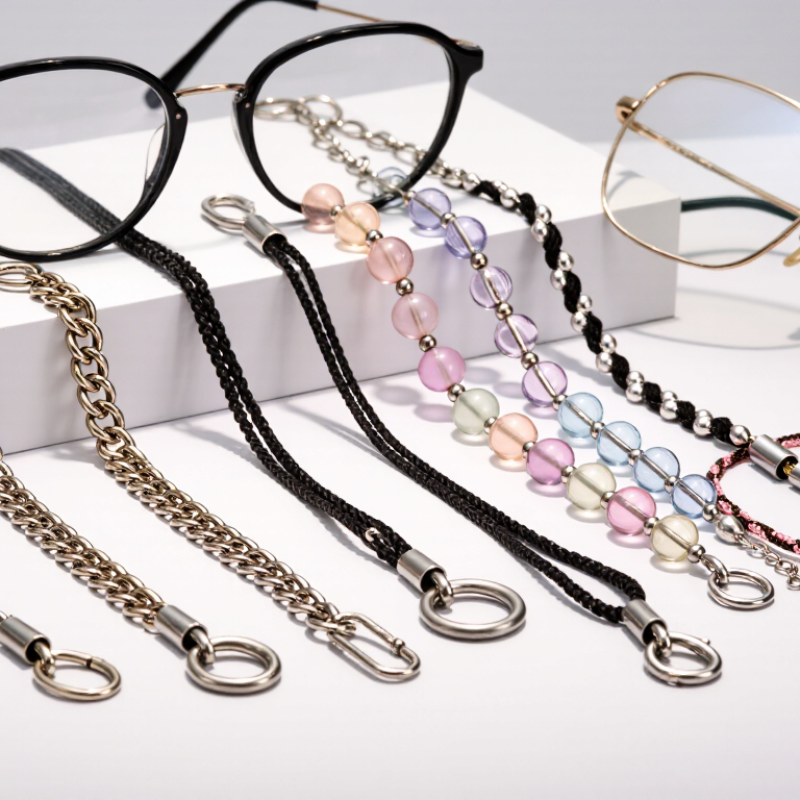
Glasses chains turn a small accessory into a practical retail option. They help keep frames close during busy workdays, travel, or outdoor activities. For opticians and gift shops, chains can serve customers who remove their glasses often but want them within reach. Common styles include lightweight metal links, soft cords, and bead designs. Each suits a different look and use. Metal links feel polished, while fabric cords may be more comfortable for long wear. Small details matter.
Wholesale buyers should compare attachment loops, clasp strength, weight, and finish across samples. A chain that looks sturdy may feel heavy after several hours. Check that its ends fit different frame arms, and ask suppliers about material specifications and consistent sizing. Retailers may stock neutral colors for everyday use, then add brighter options for seasonal displays. Packs with varied styles can help test local preferences before a larger order. I would not assume one design fits every customer. Even attractive beads can snag on hair or clothing, so try samples in ordinary daily use before choosing quantities.
When evaluating glasses chains in bulk, start with material and finish. Check whether the links feel smooth against skin and whether metal components show rough edges or uneven plating. A white cloth rubbed over the chain can reveal loose color or residue. Small details matter.
Test the connectors with several frame styles, not just one sample. Rubber loops should grip without stretching too easily, while adjustable sliders should move smoothly and stay in place. Wear a sample for a few hours. Notice pressure behind the ears, tangling around hair, and whether the chain swings when you bend down. Comfort can be surprisingly hard to judge from a product photo.
Consistency is essential for wholesale orders. Compare samples from different cartons for color, link spacing, clasp strength, and overall length. Ask suppliers how they inspect batches, what packaging prevents knots, and whether lead times include quality checks. A simple drop test on a padded surface may expose weak joins, though it cannot predict every failure. No checklist catches everything. I would also keep one sample for repeated use; it may look fine on day one, then show wear around the connectors. Consider minimum order quantities and replacement policies alongside unit price, since a low quote means little if sizing varies or delivery slips.
Example 100-point wholesale buyer scorecard. Adjust the weights to match your product requirements and sourcing priorities.
Product durability and material safety receive the highest weights, followed by attachment compatibility and unit cost. Use the scorecard to compare supplier samples and quotes consistently.
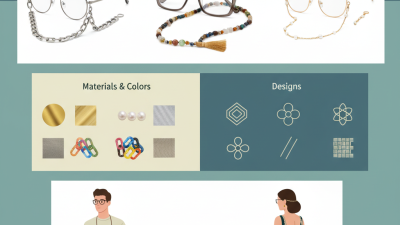
Wholesale buyers should compare glasses chains by material, weight, finish, and intended use. Stainless steel links offer a neat, durable look, while nylon cords feel lighter and suit everyday wear. Silicone and rubber components add flexibility near the frame ends. Beaded designs bring color and texture, but heavier beads may pull on delicate frames. Small details matter.
Design affects comfort as much as appearance. Fine chains can pair well with lightweight frames, while wider cords may feel more secure during active work. Matte finishes tend to show fewer fingerprints than glossy ones. Still, a polished chain can feel awkward against the neck, so appearance alone is not enough. There is no universally best choice.
Attachment styles deserve close inspection. Common options include silicone loops, adjustable rubber holders, and small metal hooks or clasps. Loops should grip both narrow and thicker temple arms without slipping or squeezing. Buyers can test samples on several frame shapes and gently tug each attachment. Check the connector, crimp, and finish for rough edges or looseness. Even careful sampling has limits; wear over time can reveal weak points that a quick check misses.
Wholesale buyers should compare ten common glasses-chain constructions by comfort, durability, fit, and packaging needs. A stainless-steel cable chain feels light and resists everyday wear, though small links can catch on fine hair. Acetate-link chains offer bold color and a polished display, but larger links may feel heavy during long shifts. Silicone-loop styles attach quickly to many frames and wipe clean easily. Beaded chains add texture and visual variety, yet their knots and coatings need close inspection. Check the knots.
Woven nylon cords are flexible and practical for frequent use, although pale colors can show dirt. Leather-look cords feel softer and more substantial, but their finish may crack after repeated bending. Curb-link metal chains have a classic drape and are easy to merchandise by color. Fine box chains look neat, but thin versions may kink under tension. Adjustable cotton or polyester cords accommodate different wearing positions; test whether the slider stays put. Sports retainers grip securely during movement, though their casual appearance may not suit every retail setting. Fit matters.
For a reliable comparison, request samples from all ten styles and test them on several frame shapes. Check attachment loops, clasp strength, skin comfort, and the chain’s actual weight—not just its catalog description. Ask suppliers about color consistency across batches and replacement parts. A low unit price can be misleading if clasps loosen or packaging arrives tangled. Keep a few samples in a shop drawer for a week; real handling may reveal flaws that a product photo hides.
| Chain Type | Common Materials | Typical Length Options | Attachment Style | Key Advantages | Considerations for Wholesale Buyers | Suitable Retail Positioning |
|---|---|---|---|---|---|---|
| Metal Link | Stainless steel, brass, or plated base metal | About 60–75 cm | End loops or adjustable silicone connectors | Durable construction; broad range of link sizes and finishes; easy to merchandise with everyday eyewear. | Check clasp security, link uniformity, finish consistency, and whether the metal composition is accurately declared. | Everyday accessories and general optical retail |
| Beaded | Glass, acrylic, wood, or stone beads on wire or cord | About 60–75 cm | End loops or silicone connectors | Offers varied colors, bead shapes, and decorative styles; suitable for coordinated collections. | Inspect bead-hole finishing, strand strength, connector fit, and consistency in color and bead size. | Fashion accessories and gift assortments |
| Silicone Cord | Flexible silicone | About 60–75 cm | Rubber or silicone end loops, often adjustable | Flexible, lightweight, and simple to wipe clean; available in many colors. | Check connector grip on different temple thicknesses and assess stretch, odor, and surface quality. | Active, casual, and practical-use assortments |
| Nylon Cord | Braided or woven nylon | About 60–75 cm | Sliding or fixed end loops | Lightweight and compact; available in plain, braided, and multicolor constructions. | Review braid consistency, fraying resistance, knot or end finishing, and connector security. | Value-focused and outdoor accessory ranges |
| Leather or Faux-Leather | Leather, coated fabric, or synthetic leather | About 60–75 cm | Loops, tabs, or metal end fittings | Creates a classic or casual look and can pair well with neutral eyewear styles. | Confirm material labeling, edge finishing, color transfer resistance, and care guidance; keep away from prolonged moisture. | Classic, casual, and gift-oriented retail |
| Beaded Pearl-Style | Glass or acrylic beads with a pearl-like finish | About 60–75 cm | End loops or silicone connectors | Decorative appearance and a familiar style for fashion and occasion-based displays. | Specify bead material accurately and check coating uniformity, abrasion resistance, and strand strength. | Fashion, occasion, and gift assortments |
| Rope or Braided Fabric | Cotton, polyester, or blended textile fibers | About 60–75 cm | Fabric loops or adjustable silicone connectors | Soft, lightweight feel; supports woven patterns and a wide range of colors. | Check for loose fibers, colorfastness, connector sizing, and consistent braid thickness. | Casual, colorful, and textile-accessory collections |
| Fine Cable Chain | Stainless steel or plated base metal | About 60–75 cm | Small end loops or silicone connectors | Slim profile and understated appearance; easy to coordinate with many frame styles. | Inspect for kinks, sharp edges, weak jump rings, and coating variation; finer chains may need careful handling. | Minimalist and lightweight fashion accessories |
| Sport Retainer Strap | Neoprene, silicone, or woven synthetic material | Usually about 30–45 cm, depending on design | Wide sleeves or secure end loops | Designed to help keep glasses in place during movement; often offers a more secure fit than decorative chains. | Check fit across temple sizes, adjustability, material comfort, and intended-use claims; it is not a substitute for safety eyewear. | Sports, travel, and practical-use displays |
| Mixed-Material Chain | Combinations such as metal and beads, or cord and metal fittings | About 60–75 cm | End loops or adjustable connectors | Combines different textures and finishes; allows varied designs within one assortment. | Inspect every material junction, verify material descriptions, and check that the combined components remain secure in use. | Trend-led and curated accessory collections |
Lengths shown are common indicative options, not fixed specifications. Actual dimensions, materials, connector sizes, and durability vary by product and supplier; confirm samples and written specifications before placing a wholesale order.
Wholesale buyers should assess glasses chains as both functional accessories and small fashion items. Ask suppliers for material composition, plating details, clasp specifications, and documented quality checks. Then inspect samples yourself. Attach a chain to several frame styles, tug gently at the connectors, and check whether the finish snags hair or fabric. Small details matter. A polished catalog photo cannot prove a clasp will stay closed.
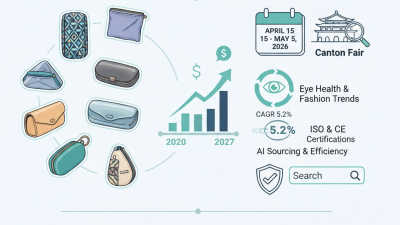
Market size offers context, not a sales guarantee. Grand View Research valued the global eyewear market at USD 183.36 billion in 2023 and projected an 8.4% compound annual growth rate from 2024 to 2030.
That broader category includes products beyond glasses chains, so avoid treating its growth rate as a direct demand forecast. Still, it supports testing a focused accessory range alongside core eyewear products.
Plan a trial order around a few chain lengths, finishes, and connector types. Request clear carton quantities, lead times, reorder minimums, and replacement terms in writing. The U.S. Census Bureau reported that e-commerce represented 15.6% of total U.S. retail sales in the fourth quarter of 2023. For online sales, check that each chain arrives untangled and photographed accurately. A modest opening order limits unsold stock, though it may raise per-unit freight costs. That trade-off deserves a spreadsheet, not a guess.