10 Best Microfiber Pouch Manufacturers for Bulk Orders

A bulk Microfiber Pouch order can look simple on a product page: choose a color, add a logo, and confirm the quantity. The real differences show up in the details. Check the fabric’s feel, edge stitching, drawstring movement, print clarity, and how consistently samples match production. A pouch that holds a pair of glasses securely should not arrive with loose seams or a logo that fades after light handling.

This guide compares 10 manufacturers for buyers planning bulk orders. It considers customization options, sample processes, production capacity, communication, lead times, and quality checks. Ask each supplier for material specifications and a pre-production sample. Then inspect it under ordinary use: open and close the cord, rub the printed area, and check whether the pouch sheds fibers. Small tests can reveal awkward surprises. No supplier should be judged by a polished catalog alone.

One sourcing principle captures the point: “A dependable order is built on details you can verify, not promises you cannot.” This is an editorial guideline, not a quotation attributed to a named expert; no verifiable expert source was provided. Use the comparison as a starting point, then confirm current capabilities directly with each manufacturer. Some listings may look equally convincing. They may not be.
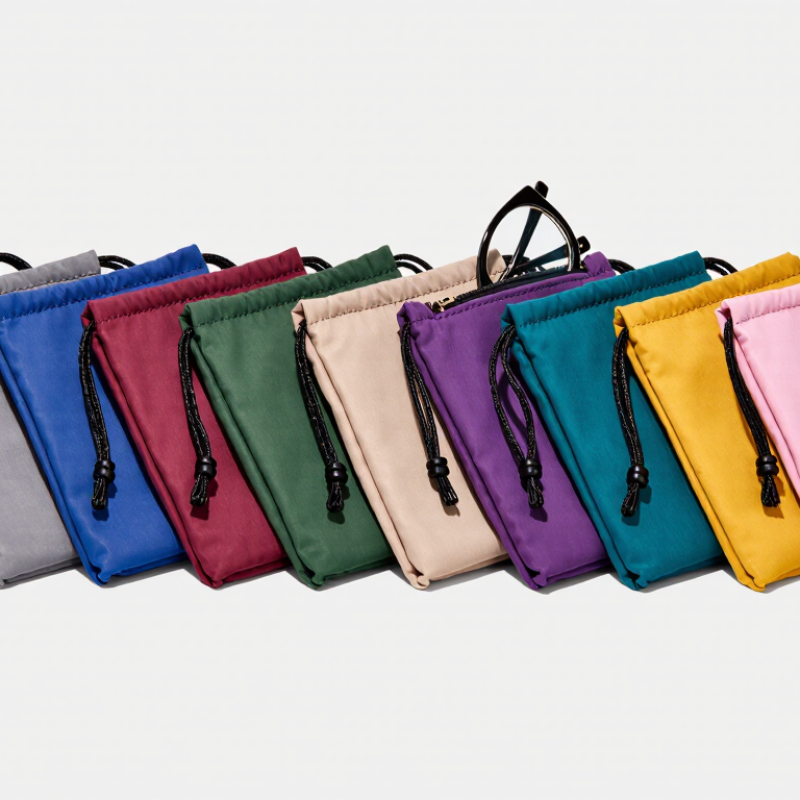
10 Best Microfiber Pouch Manufacturers for Bulk Orders

What Microfiber Pouches Are and How They Are Used

Microfiber pouches are compact textile sleeves made from fine synthetic fibers, often polyester or polyester-polyamide blends. Their soft surface helps limit rubbing and light dust on eyeglasses, jewelry, camera accessories, cables, and small electronics. They are not impact-proof. A pouch can help prevent scratches, but it cannot cushion a hard drop.

The right design depends on the item and how people use it. Drawstrings allow quick access; fitted sleeves take up less space. For bulk orders, check fabric weight, seam strength, color consistency, closure quality, and print durability on a production sample. Small flaws matter. Textile Exchange’s Materials Market Report 2024 estimates global fiber production reached 124 million tonnes in 2023, with polyester accounting for about 57 percent. That figure gives useful material context, but it does not establish every pouch’s durability or environmental impact. Microfibers can shed during washing, so care instructions and reuse habits deserve attention. This is easy to overlook. A reusable pouch may replace disposable packaging, but only if people keep using it.

How to Evaluate Manufacturers for Bulk Orders

When evaluating microfiber pouch manufacturers for bulk orders, look beyond a clean sample. Request pouches in your chosen fabric weight, dimensions, color, and closure style. Check the seams and zipper after repeated opening, and rub a pale cloth across the fabric to spot loose dye or lint. Small details matter.

Ask how the factory checks production batches. A useful answer names inspection points, defect limits, and what happens when a batch fails. Request a written quote that separates tooling, packaging, sampling, and shipping costs. Confirm the minimum order, production lead time, and whether the same material can be sourced again. Ask for recent examples of comparable work, with sensitive customer details removed. Ask for evidence.

A sample can look excellent and still hide uneven stitching across a large run. It is easy to overvalue the first pouch; consistency matters more. I would also ask how dimensional tolerances are recorded, since a few millimeters can affect fit. Communication is part of quality: note how quickly questions receive clear answers, and whether changes are documented. If a maker avoids explaining inspection or replacement terms, treat that gap as a risk.

10 Best Microfiber Pouch Manufacturers for Bulk Orders - How to Evaluate Manufacturers for Bulk Orders
No. Evaluation Dimension What to Evaluate Evidence to Request Warning Signs
1 Product and material fit Confirm the pouch fabric, dimensions, thickness or weight, closure, color, and intended use. Polyester and polyamide are common microfiber fiber types; specify the required composition rather than relying on the word “microfiber.” Written material specification, fabric swatches, finished samples, and confirmation of tolerances for size and weight. Unclear fiber content, unavailable samples, or substitutions without written approval.
2 Bulk-order capacity Check whether the supplier can make the quoted quantity and maintain the same specifications across repeat production runs. A production plan showing order quantity, available capacity, production stages, and any subcontracted work. Capacity claims with no production plan or undisclosed subcontracting.
3 MOQ and price breakdown Compare the minimum order quantity and unit price at several order volumes. Check whether printing, setup, packaging, sampling, and freight are included or charged separately. An itemized quotation with currency, quantity tiers, tooling or setup charges, payment terms, and quote validity. A single unexplained price or extra charges disclosed only after order confirmation.
4 Sampling and customization Evaluate the supplier’s ability to match requested colors, dimensions, seams, drawstrings, labels, and printed artwork. Approve a representative sample before mass production. Sample charges and timing, a pre-production sample, and a written record of approved specifications and artwork. Production scheduled before sample approval or no process for recording revisions.
5 Quality-control process Ask how incoming fabric, sewing, dimensions, color consistency, printing, and finished goods are checked. Agree on defect definitions and inspection criteria before ordering. Inspection checklist, sample inspection report, defect-handling procedure, and any proposed sampling plan for the order. Quality assurances without documented checks or an agreed remedy for nonconforming goods.
6 Compliance and product safety Identify applicable requirements based on the product, its claims, and destination market. For example, EU chemical restrictions may be relevant under REACH; U.S. children’s-product rules apply only when the product falls within that scope. Relevant test reports or declarations for the specified material and product, with scope, date, and issuing laboratory identified. Certificates that do not cover the ordered product, material, or destination-market requirements.
7 Production lead time Separate sample development, material sourcing, production, and shipping time. Confirm when the production clock starts and how delays are communicated. A dated schedule with milestone estimates, assumptions, and a named contact for order updates. A guaranteed delivery date that excludes sourcing, approval, or transit time.
8 Packaging and shipping readiness Specify individual and bulk packaging, carton quantity, carton dimensions, shipping marks, and whether products need protection from moisture or abrasion in transit. Packaging specification, estimated carton details, shipping terms, and a freight quotation based on the destination. Freight excluded from the quote without a clear shipping plan or carton information.
9 Communication and documentation Assess whether the supplier responds clearly, tracks changes, and can provide consistent order records in a language your team can use. Written quotation, specification sheet, order confirmation, sample approval record, and progress updates. Conflicting specifications across messages or reluctance to confirm key terms in writing.
10 Payment terms and remedies Review deposit and balance timing, accepted payment methods, cancellation terms, and how shortages, defects, or delivery delays are handled. A written purchase agreement or pro forma invoice stating payment milestones, order specifications, inspection terms, and resolution options. Requests to pay an unrelated party or refusal to document agreed terms.

Use these checks to compare suppliers against your order requirements. Compliance documents, lead times, MOQs, and quality criteria should be verified for each specific product and destination.

10 Best Microfiber Pouch Manufacturers for Bulk Orders

Choosing among ten microfiber pouch manufacturers requires more than comparing quoted prices. Ask each supplier for fabric weight, microfiber composition, pouch dimensions, and available stitching options. These details affect softness, seam strength, and how well a pouch protects glasses or small devices from surface scratches.

Request a sample before approving a large order. Check whether the drawstring moves smoothly, the seams stay flat, and the fabric sheds lint when rubbed against a dark surface. A sample can reveal inconsistencies that a product sheet misses. Small flaws matter. Also confirm the acceptable size tolerance, color-matching process, packaging method, and production lead time in writing. Bulk orders can magnify minor differences between batches.

Compare quotes using the same specifications, including printing, packing, and shipping terms. Ask how defects are handled and whether replacement units are available. Clear answers are a useful sign of organized production, though they cannot guarantee every shipment will be flawless. Some buyers focus too heavily on the lowest unit cost; that can be a mistake when uneven stitching or delayed delivery disrupts distribution. A simple inspection plan helps: check a few units from each carton, record measurements, and photograph any recurring issue before accepting the full order.

Comparing Customization, Pricing, and Production Capacity

When comparing ten microfiber pouch manufacturers for bulk orders, look beyond the sample photo. Ask about fabric weight, weave, edge binding, and stitching; these details affect feel and durability. Check which dimensions, closures, lining options, and print methods each supplier can customize. Request a physical sample with your actual artwork. A logo that appears sharp on screen may blur on microfiber. Details matter. Confirm whether setup fees, color changes, and sample revisions are included in the quote.

Compare prices at the same order quantity and specification. A low unit price may exclude individual packaging or inspection. Ask for the minimum order, sample cost, payment schedule, and a written estimate of shipping time. Production capacity needs evidence, too: request typical monthly output, current lead time, and how your order would fit around peak-season work. Ask whether the quoted schedule is reserved or only estimated. A small pilot order can reveal uneven seams or color variation before a larger run, though it adds time and cost. Ask for proof. Even a careful comparison cannot remove every delay, so leave room in your launch schedule.

How to Choose the Right Manufacturer for Your Needs

Choosing a microfiber pouch manufacturer starts with a clear product brief. Specify fabric weight, dimensions, lining, closure, print method, and acceptable color variation. Ask for a pre-production sample, then test it with the item the pouch will hold. Check lint, seam strength, drawstring movement, and whether printed colors rub off. Details matter. A supplier’s quality plan should explain inspection frequency and what happens when a batch fails—not just promise “high quality.”

Material claims deserve the same scrutiny. Textile Exchange’s Materials Market Report 2024 estimates that global fiber production reached 124 million tonnes in 2023 and could rise to 160 million tonnes by 2030. That scale makes traceability worth asking about: request fiber composition, recycled-content evidence where applicable, and test records for colorfastness and tensile strength. Compare written quotes for tooling, sampling, packaging, freight, and repeat-order lead times; a low unit price can hide costly extras. No sample is perfect. Record defects and request a revised sample before approving bulk production. Also ask how the factory controls shade differences between production lots, since small swatches can look consistent while finished pouches do not.